STANDFIRST: Meta’s personal AI agent can now talk back — with a face.
KEY POINTS:
- Meta rolled out Muse Voice on 5 November 2026 to all users in the United States, on mobile, the web and Mac.
- Users can call or video chat with Muse in real time, speaking instead of typing, and cut in while the agent is still talking.
- The feature runs on two Meta systems, Muse Realtime Voice and Muse Realtime Avatar, which keep the avatar’s expressions and lip movements in step with its speech.
- People can choose from hundreds of voice styles and reshape the avatar; the standard character is nicknamed Jolly.
- The launch is limited to the US for now, with no date given for other countries; support for Meta’s AI glasses and the Muse Charm wearable is planned.
LEDE (who/what/when/where/why): Meta has switched on real-time voice and video chat for its Muse AI agent in the United States, letting users talk to a live animated avatar instead of typing, the company announced on Thursday.
(34 words)
What happened
Thursday 5 November was the day the news broke: Meta’s chief AI officer, Alexandr Wang, put out the announcement in a blog post and on X. The feature is now live for the full US user base of the Muse app. People can use it from a phone, a browser or a Mac. Users start a conversation by tapping the phone icon at the top-right of the chat screen, then speak instead of typing. They can interrupt Muse while it is speaking, so a conversation can change direction without waiting for a reply to finish.
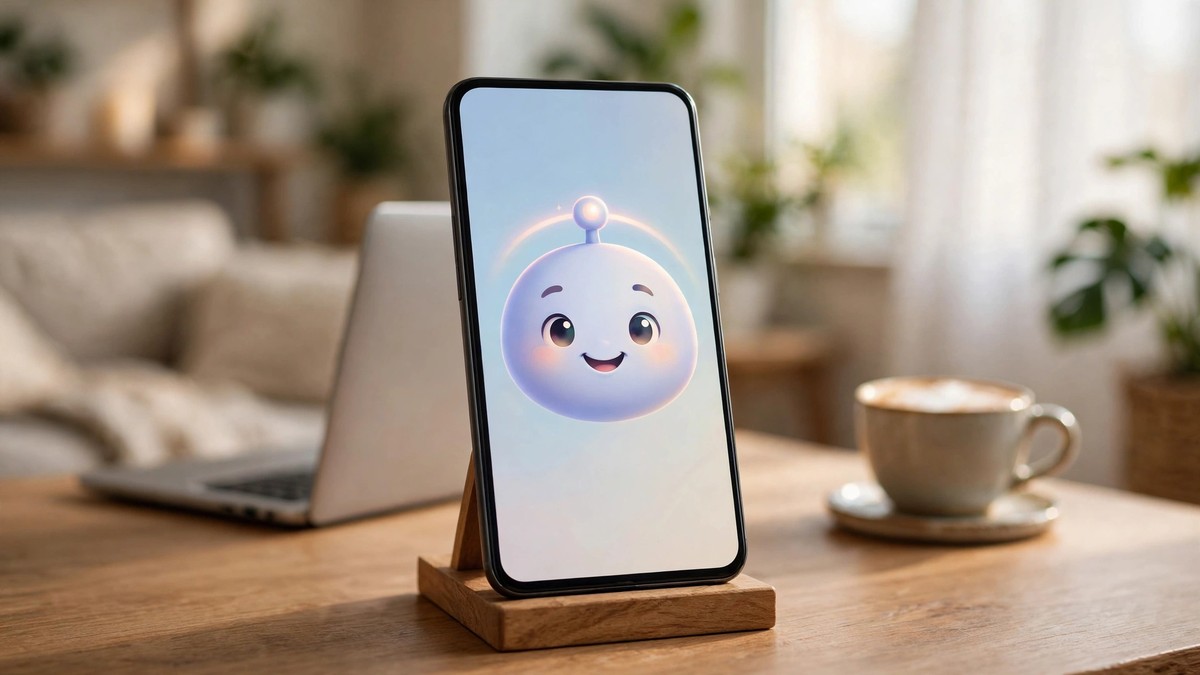
The experience comes in three forms. There is a voice-only mode, with no character on screen; a side-by-side mode, with the avatar next to the chat; and a full-screen mode, where the avatar fills the display for a face-to-face call. Meta says the avatar reacts while it listens as well as while it speaks, with what the company calls “subtle expressions and gestures” that follow the tone of the conversation.
Wang demonstrated the feature himself, posting a video of a conversation with his own Muse, shown as a fluffy white dog, in which he joked about his habit of posting memes on X. “You can now phone call and video chat with your muse whenever you need,” he wrote.
The avatar can be reshaped. The standard character is nicknamed Jolly, but users can change it to look more like a person, an animal or another character of their choice. There are hundreds of voice styles to pick from, and the voice can be changed at any time — including by asking Muse to adjust its own tone during a conversation, according to The Verge.
One limit matters: the avatar does not see the user. It hears them and reacts to what they say, but there is no camera feed going the other way, TechCrunch reports. Meta’s research post on the avatar technology puts the gap between the end of a user’s turn and the first synchronised reply at about 870 milliseconds — the company’s own figure.
The Verge tried the feature in the iPhone app on the day of the announcement and found replies came quickly, with brief pauses when Muse had to look something up — the same behaviour it shows in text chat. The reviewer found the lip-sync solid, and a lookalike avatar of chief executive Mark Zuckerberg “quite weird”.
Muse is restricted to users aged 18 and over, according to reports of the launch.
Why it matters
Voice changes Muse from a typed assistant into something closer to a phone call. Other AI companies already offer voice chat, but Meta is betting the face makes the difference: a persistent character that users can shape and recognise, and that remembers them over time. Meta is betting that a face makes the agent feel closer to its user, and that live conversation deepens the link.
The launch is part of a fast build-out. Muse itself only launched on 8 September 2026 in the US, and has since reached Canada, Japan, Singapore and Mexico — the last of those on the same day as the voice launch, 5 November. Meta also introduced Spaces this week, a feature that lets Muse build custom in-app spaces, such as trackers and planners, from a plain-language description. The voice rollout caps a busy fortnight for AI releases, from Google’s Gemini Omni 1.2 Flash video model to OpenAI’s GPT-6 Cyber security model.
The timing also points at hardware. The voice and video feature arrives just before the Muse Charm wearable, a small device expected before the end of the year, where the avatar will appear on a small screen. Voice on Meta’s AI glasses is also planned, though Meta has given no date for either.
There are clear limits to what is known so far. No independent test of the voice quality has been published beyond first hands-on reports, Meta has given no date for a rollout beyond the US, and questions remain about how the conversations are processed — Digit noted that Meta has not said whether the voice and video run in the cloud.
What happens next
Three things to watch. First, the international rollout: Meta has said more markets will follow but given no dates, and the Muse app itself is currently available in the US, Canada, Japan, Singapore and Mexico. Second, the hardware: Muse Charm is expected before the end of 2026, and voice on AI glasses is described as coming soon — both will show whether the avatar works as well on a tiny screen as on a phone. Third, use: whether voice becomes the default way people talk to Muse, or stays a novelty beside text.
SOURCE + TIME FOOTER: Sources: Meta, “Give Your Muse a Voice”, 5 November 2026; The Verge, “Muse has a voice mode now”, 5 November 2026; TechCrunch, “Meta says US users can now video chat with their Muse AI avatar”, 5 November 2026; News18, “Meta Muse AI Gets A Face-to-Face Voice Chat Feature With Hundreds of Voices”, 6 November 2026; Zee Business, “Meta Muse Voice brings real-time conversations, expressive AI avatar and voice customisation to its assistant”, 7 November 2026. The “subtle expressions and gestures” wording and the 870-millisecond figure are Meta’s own. The Wang quote is from his post on X, as reported. Published: 7 November 2026, Kuala Lumpur time.