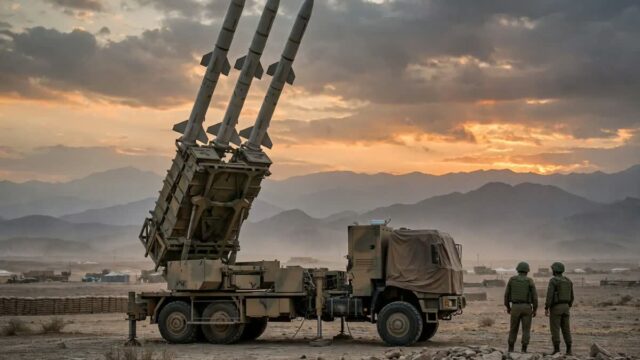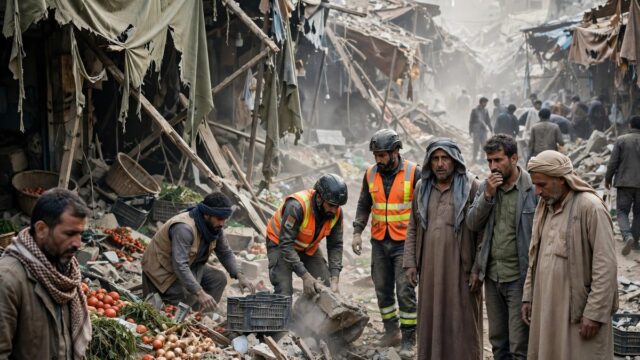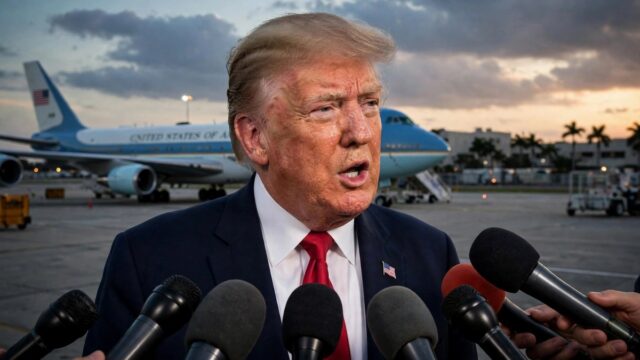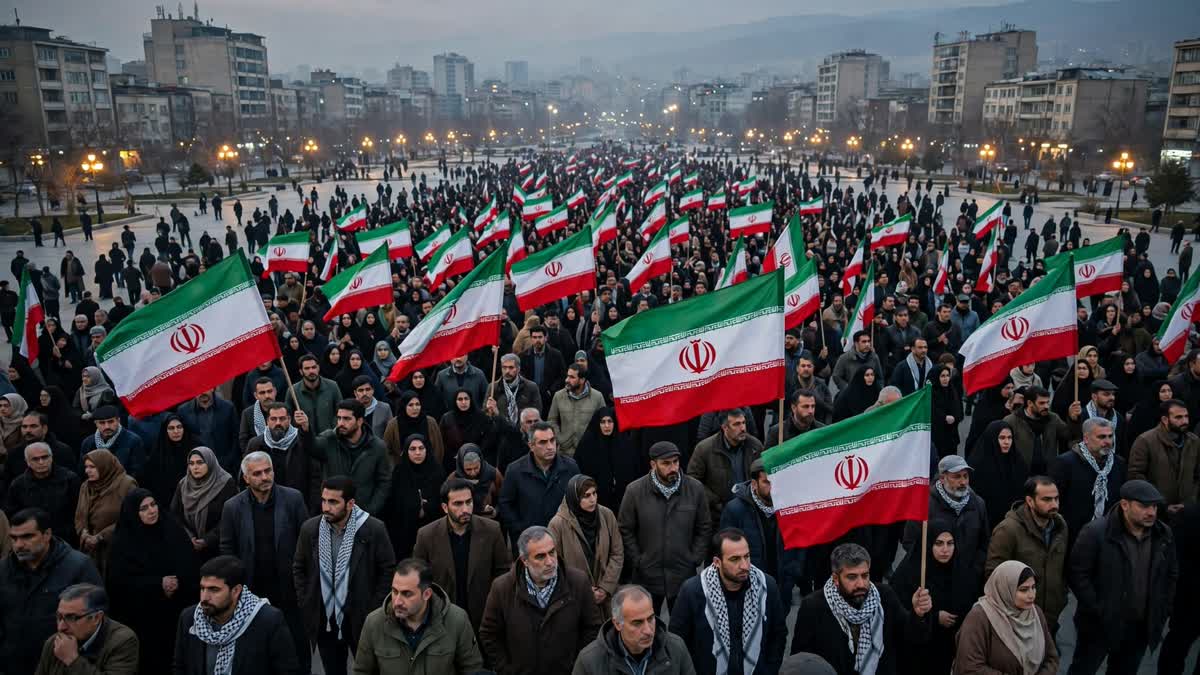
Iran says its armed forces are stronger now than when the war began, and the Strait of Hormuz will stay closed until the United States accepts Tehran’s demands.
Key Points
- Iran’s army spokesman Mohammad Akraminia said on Saturday that the country’s armed forces are “stronger” than at the start of the war, with greater motivation and self-confidence.
- Akraminia said Iran still controls the Strait of Hormuz, which will stay closed until Washington accepts Tehran’s demands.
- He warned that any Iranian response would be “immediate, effective, and without geographical limitations” under the order of the Supreme Leader.
- The claim came a day after President Trump confirmed limited US strikes on an Iranian air-defence site on Qeshm Island.
- The US is offering up to $20 million for information on Iran’s nuclear programme, while Qatar keeps pushing for a deal.
What happened: Tehran’s defiant message
Iran’s army spokesman, Mohammad Akraminia, delivered a defiant message on Saturday through the state news agency IRNA: after months of direct fighting with the United States and Israel, he said, Iran’s armed forces are on higher alert and stronger than they were when the war began.
“Today, the Islamic Republic’s armed forces… having gained experience from direct confrontation with the United States and the Israeli regime, are on higher alert and are stronger than they were at the beginning of the war,” Akraminia said. “They now possess greater motivation, commitment, and self-confidence.”
His remarks were carried widely by the AFP news agency and reported across the region, and they landed at a moment when the war’s next phase is openly in doubt. In Washington, President Donald Trump’s advisers have split three ways over whether to end the war, renew major combat, or keep up the pressure without a new offensive. For that split, see our report: Trump advisers split
Akraminia tied the military claim to the Strait of Hormuz, the narrow waterway that normally carries about one-fifth of the world’s oil. Iran still controls the strait, he said, and it will stay closed until the US accepts Tehran’s demands — which include lifting sanctions, restoring oil waivers and releasing frozen Iranian assets.
He also issued a warning. “Under the order of the Supreme Leader, the response of the armed forces will be immediate, effective, and without geographical limitations,” he said.
Why it matters
The statement is Tehran’s answer to a week of American pressure. On Friday, Trump confirmed limited US strikes on an Iranian air-defence site on Qeshm Island, describing the operation as minor — he said it was “knocked it out in about 15 minutes, maybe five”. On Saturday, Iran’s Tasnim news agency reported that two missiles had struck Qeshm, and the Iranian army claimed its air defences had “struck and destroyed” a US MQ-9 drone over the island — a claim Washington has not confirmed. For the Qeshm strikes, see our report: Qeshm Island missile strikes
At the same time, the US has turned up the pressure off the battlefield. On Friday, US Central Command and the Rewards for Justice programme offered up to $20 million, plus possible relocation, for information on Iran’s nuclear programme. The State Department pointed to the International Atomic Energy Agency’s loss of “continuity of knowledge” over Iran’s centrifuges — a sign that inspectors no longer know exactly what the programme holds.
Akraminia’s message pushes back on all of it. By claiming his forces are stronger, not weaker, he is telling Washington that months of bombing have not broken Iran’s military — and that closing Hormuz remains a weapon Tehran is willing to keep using. The strait has been shut for months, and every week it stays closed raises the cost for the world economy.
The claim also fits a pattern. Iran’s leaders have repeatedly presented endurance as victory, and the rallying language — motivation, commitment, self-confidence — is aimed as much at Iranians at home as at the Americans. But the warning about a response “without geographical limitations” is the part Washington will read most carefully: it suggests Tehran is prepared to hit back far beyond the Gulf if the war widens.
What happens next
Diplomacy has not stopped. Trump spoke to Qatar’s Emir on Friday, and Qatar is still pressing both sides toward a deal, with Iranian officials expected back in Doha possibly as soon as Saturday. Iran’s President Masoud Pezeshkian said this week that his government still seeks dialogue.
But the two tracks are pulling in opposite directions. The US is offering rewards and weighing a decision on whether to strike again, while Tehran insists the strait stays shut and its forces grow stronger. The fighting has already reached beyond Iran’s borders in recent days — overnight, the Saudi-led coalition said it brought down a Houthi drone over the Mecca region. For that interception, see our report: Mecca drone intercepted
If the Doha talks produce a framework, the pressure could ease fast. If they collapse, Akraminia’s warning will be the last word before the next round begins — and the question will be whether his claim of strength holds up, or whether it is the bluff Washington believes it to be.
Related coverage: Hegseth impeachment vote
Sources: IRNA, AFP (via The Hindu, Malay Mail, Straits Times, Arab News), Al Jazeera, Gulf News. Events: Saturday 7 November 2026, Tehran and Doha. First published: Saturday 7 November 2026.