Iran’s Revolutionary Guard said on Saturday it is ready to change the country’s nuclear doctrine if ordered, while claiming its air defences downed 260 enemy aircraft during the war with the United States and Israel.
Key Points
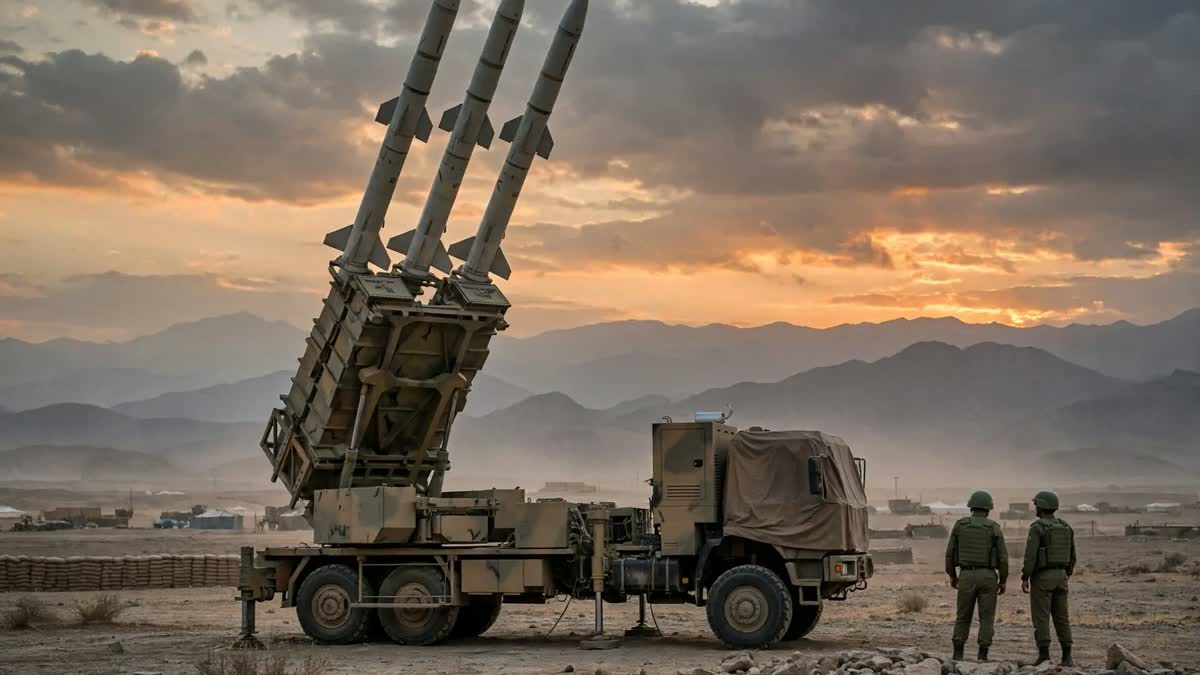
- IRGC Aerospace Force spokesman Brig. Gen. Hossein Mohebbi said the Guard is prepared for changes to Iran’s nuclear doctrine if the state decides, and that Iran keeps extending the range of its missiles.
- Mohebbi claimed Iranian air defences downed more than 260 enemy aircraft during the war, including F-35, F-16, F-18 and F-5 fighter jets, and brought down seven reconnaissance drones intact.
- He said Iran has reached “complete defence independence” through home-grown weapons production and now exports advanced systems, and promised a new underground “missile city” will be unveiled.
- None of the figures has been independently verified, and no decision on changing the nuclear doctrine has been made.
What happened: the IRGC’s big claims
The Islamic Revolutionary Guard Corps used its Aerospace Force Week press conference in Tehran on Saturday to make its boldest claims yet about the war. Spokesman Brigadier General Hossein Mohebbi, speaking at the Sarcheshmeh Cultural Complex, said the Guard’s air defences had intercepted and destroyed more than 260 enemy aircraft since the fighting began — among them F-35, F-16, F-18 and F-5 fighter jets, along with drones and micro-drones.
Mohebbi also claimed Iranian forces had brought down seven MQM-170 reconnaissance drones intact over the past one to two weeks, presenting the recoveries as proof of what he called Iran’s technological superiority over its enemy. The figure for downed aircraft did not include the regular army’s tally, he said, suggesting the total would be higher still.
The centrepiece of his briefing was self-reliance. Mohebbi said Iran’s advanced aerospace platforms were now the product of domestic research rather than foreign purchases or reverse engineering, and that the country had moved from importing weapons to producing — and exporting — its own missiles, drones and air defences. “Today, the Aerospace Force’s weaponry is produced based on indigenous knowledge and expertise; we do not rely on foreign nations to supply the arms, equipment and components we require,” he said.
He added that production lines had been moved from the surface to underground facilities, and that a new underground “missile city” and other aerospace achievements would soon be unveiled. According to Mohebbi, Iranian factories kept turning out missiles and drones even under heavy bombardment, and flexible production sites would keep working if the fighting resumed.
Then came the line that drew the most attention. In comments carried by the Fars news agency, Mohebbi said Iran was continuing to enhance the range of its missiles — and that if the state opts to alter its nuclear doctrine, the necessary preparations would be made.
Why it matters
The nuclear doctrine remark lands at the most sensitive moment of the war. Last week, Iran’s top security official, Mohsen Rezaei, said officials were weighing potential changes to the country’s nuclear policy, while stressing that no decision had been made. Mohebbi’s statement goes a step further: the military arm that would carry out any change says it is ready.
It also arrives as the diplomacy hangs in the balance. On Friday, President Donald Trump confirmed limited US strikes against an Iranian air-defence site on Qeshm Island, in the Strait of Hormuz — the same day he said Washington had made “a lot of progress” in talks with Tehran. For the Qeshm strikes, see our report: Qeshm Island missile strikes Qatar is mediating between the two sides, and Trump’s own advisers are split over whether to pursue a deal or return to full-scale strikes. For that split, see our report: Trump advisers split three ways
For the earlier interception near Mecca, see our report: Mecca drone intercepted
The timing is no accident. Hours before Mohebbi spoke, Iran’s army spokesman said the country’s forces were stronger now than when the war began and warned of an immediate response to any new attack. For that warning, see our report: Iran army stronger Mohebbi’s briefing reads as the second half of the same message: not only is Iran stronger, it claims, but its weapons are now home-made, its factories are buried underground, and its options — including on nuclear policy — are open.
But the claims themselves carry a large caveat. None of the figures Mohebbi cited has been independently verified. No wreckage, serial numbers or third-party confirmation accompanied the tally of 260 aircraft, and the United States has not confirmed losing anything like that number of jets. The seven intact drones were likewise claimed, not shown. The numbers should be read as Tehran’s account of its own war, not as established fact.
That does not make the briefing meaningless. Even as claims, the statements tell the world what Iran wants its enemies — and its own public — to believe: that months of bombing did not break its arms industry, that its air defences can hit the most advanced Western jets, and that it holds a card on nuclear policy it has not yet played.
What happens next
Two tracks now run in parallel. In Doha, Qatari mediators are still working to bridge the gap between Washington and Tehran, with Iranian officials expected back at the table as soon as this weekend. In Tehran, the Guard is preparing to show off its new underground missile facilities and an aerospace museum open to the public through 13 November.
Which track wins depends on the decision Trump has promised soon — deal or renewed strikes. Mohebbi’s warning was aimed squarely at that choice: if the Americans come back, he said, they will regret it, and new capabilities will astonish them.
Sources: Al Jazeera, Mehr News Agency, Times Now, Shafaq News, Tribune India (ANI). Events: Saturday 7 November 2026, Tehran. First published: Saturday 7 November 2026. All casualty and aircraft figures in this article are claims by Iranian officials and have not been independently verified.