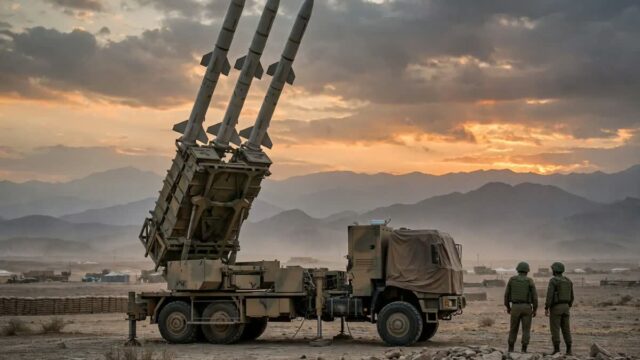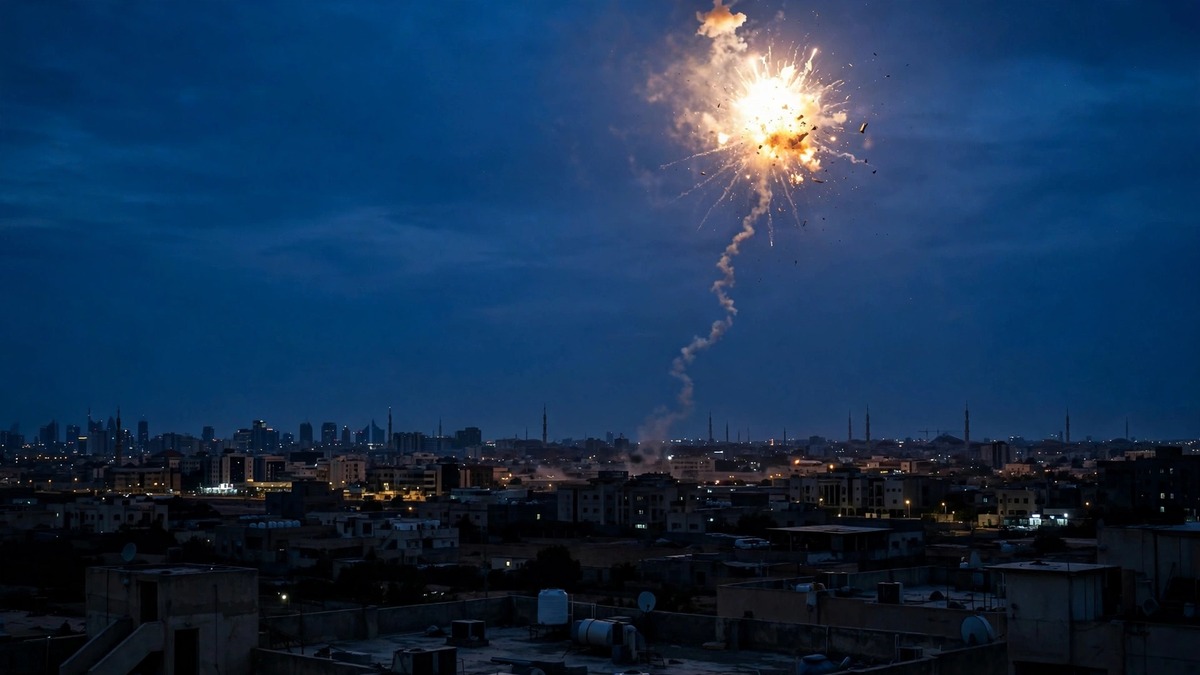
Saudi air defences intercepted a drone in the Mecca region on Friday, the coalition said, on the third straight day of aerial attacks on the kingdom.
Key Points
- The Saudi-led coalition says it intercepted and destroyed a drone in the Mecca region on Friday, 6 November 2026.
- Coalition spokesman Turki al-Malki announced the interception on social media, giving no details on who launched the drone, where it came from or what it was targeting.
- No casualties or damage have been reported, and it is not clear whether the drone approached the city of Mecca itself.
- It is the third straight day of aerial attacks on Saudi Arabia: a missile toward the Medina region on Thursday, two missiles toward Najran on Friday morning, and now the Mecca-region drone.
- The Houthis have not claimed any of the three incidents, and on Thursday they denied targeting Medina.
What happened
The Saudi-led coalition said on Friday that it had intercepted and destroyed a drone in the Mecca region. Coalition spokesman Turki al-Malki announced the interception in a brief post on social media, writing only: “Interception and destruction of a drone in the Mecca region.”
The statement gave no further detail. It did not identify who launched the drone, where it came from, or what it may have been targeting, and no information was provided about casualties or damage. The announcement also did not say whether the aircraft had approached the city of Mecca itself — the reference was to the wider administrative region, which includes the holy city.
The interception came hours after the coalition reported destroying two ballistic missiles fired toward Najran province on Friday morning, and a day after it said air defences had brought down a missile heading toward the Medina region on Thursday. The coalition also reported intercepting a drone in Saudi Arabia’s Eastern Province on Thursday. For the Najran incident, see our report: https://worldpulsewire.com/2026/11/06/saudi-downs-two-houthi-missiles-najran/
Why it matters
The three incidents in three days point to a widening second front in the war around Iran. Until this week, the fighting had centred on the Strait of Hormuz and Iran itself; now Saudi air defences are being tested in the south-west, in the west, and in the region around the kingdom’s holiest city. The Hormuz shipping war has also intensified in parallel: https://worldpulsewire.com/2026/11/06/hormuz-attacks-surge-shipping-thins-out/
The Mecca region carries a weight the other targets do not. An attack — or even the threat of one — near Islam’s holiest city raises the stakes for Riyadh and for the wider Muslim world, and it puts pressure on the coalition to show that its defences can hold across the whole country at once. The Houthis, who are backed by Iran, have not claimed any of the three incidents, and on Thursday they denied that they had intended to target Medina, saying their operations were aimed at Saudi oil infrastructure and military facilities.
The timing adds to the pressure. On Thursday, Turkiye’s parliament ratified the Mecca Joint Defense Agreement with Saudi Arabia and Pakistan, a pact whose central commitment is that the three countries will treat an attack on one member as an attack on all. Turkish officials described the agreement as defensive and said it was not directed against Iran or any other country — but its ratification on the same day the missile fire reached Medina underlines how quickly the region’s security arrangements are being tested.
What happens next
The coalition has given no further detail about the drone, and it is not yet known whether it will name a launcher or release more information about the interception. The Houthis have not commented on Friday’s incident, and it remains unclear whether they will claim it or deny involvement as they did over Medina.
Saudi air defences will stay on alert: three regions targeted in three days suggests the threat is not a one-off, and Riyadh will be watching for a fourth incident. Diplomacy continues in parallel — the United States and Iran are still exchanging proposals through Qatari mediators, and President Donald Trump spoke to Qatar’s emir on Friday about easing regional tensions — but no breakthrough has been announced.
For now, the coalition has confirmed only the destruction of the drone. Its origin, its intended target and any consequences remain unknown.
Sources: Al Arabiya (AFP), 6 November 2026; Kurdistan24 (AFP), 6 November 2026. Published 6 November 2026.