Democrat Abdul El-Sayed won Michigan’s open U.S. Senate seat on 3 November 2026, becoming the first Muslim US Senator after defeating Republican Mike Rogers in a key Democratic hold.
Key Points
- The Associated Press projected El-Sayed as the winner of Michigan’s open Senate seat.
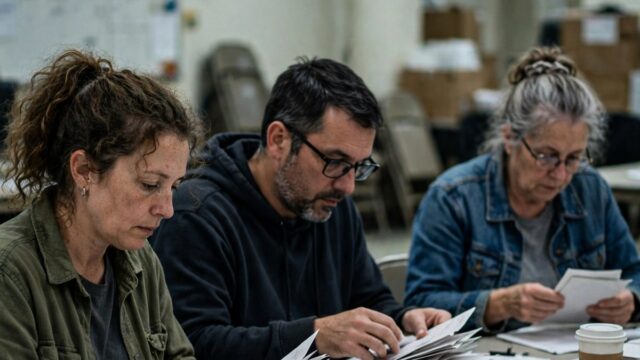
- At about 85% of the expected vote counted, El-Sayed led about 52% to 46% over Rogers. Those figures were projections at that stage, not a final certified result, and counts were still updating.
- El-Sayed, 42, a former public-health official, becomes the first Muslim elected to the U.S. Senate in American history.
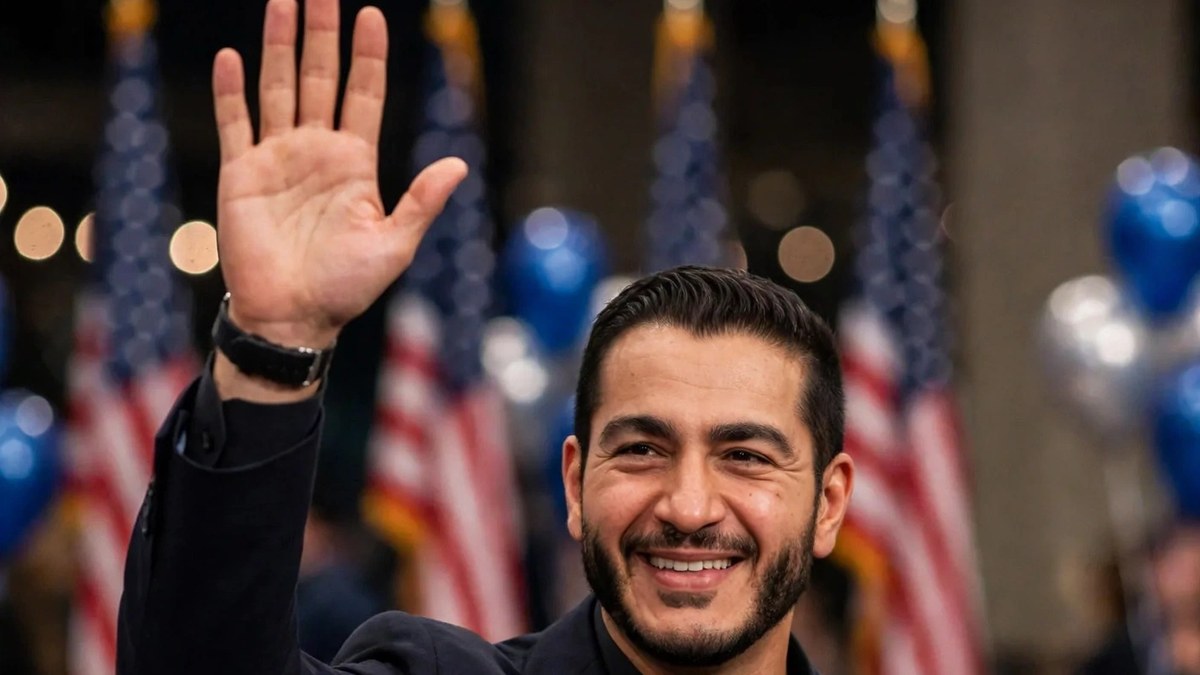
- He declared victory before supporters in Detroit early on 4 November 2026 and will take his seat when the new Congress is sworn in on 3 January 2027, succeeding retiring Democratic Senator Gary Peters.
What happened
Michigan voters chose El-Sayed to fill the open seat left by Peters, who is retiring. The contest drew national attention because it was one of the most closely watched races in the 2026 midterms and a test of whether Democrats could hold a seat in a competitive state. El-Sayed, a Democrat and former public-health official, faced Rogers, a Republican former congressman who had strong backing from President Donald Trump and national Republicans.
The Associated Press called the race for El-Sayed. At about 85% of the expected vote counted, he led Rogers by about 52% to 46%. That lead was a projection based on votes counted at that point, not a final certified total, and election officials were still updating the count. El-Sayed declared victory before supporters in Detroit in the early hours of 4 November 2026, thanking voters and pledging to focus on the everyday pressures facing Michigan families.
Throughout the campaign, El-Sayed argued for lowering costs for working families and reducing corporate influence in politics. Those themes, his campaign said, were central to his appeal to voters worried about household bills, health care and the fairness of the political system. Rogers, by contrast, campaigned with the support of Trump and national Republican groups, framing the race as a choice about the direction of the country and the Senate.
Why it matters for the first Muslim US Senator
El-Sayed’s victory is historic in its own right: no Muslim had previously been elected to the U.S. Senate. His election therefore breaks a longstanding barrier in American politics and broadens representation in a chamber that has historically been far less diverse than the country it serves. Supporters in Detroit and beyond described the result as a milestone for Muslim Americans and for Michigan, a state with a large and long-established Muslim community.
The result also mattered for control of the Senate. Michigan was a key Democratic hold, and losing it would have complicated the party’s path to a majority. Instead, Democrats flipped the Senate overall, a broader outcome covered in World Pulse Wire’s report on Democrats taking full control of Congress. The Michigan result formed part of that national picture, alongside other competitive Senate contests in the midterms, including James Talarico’s Senate win in Texas.
For Democrats, holding Michigan while gaining ground elsewhere strengthened their position heading into the new Congress. For Republicans, the loss of a high-profile open seat, despite strong national backing for Rogers, underlined how difficult the midterm map proved for the party in several battleground states. The result will be studied closely by both parties as they assess which messages resonated most with voters on costs, health and trust in politics.
What happens next
El-Sayed will take his seat when the new Congress is sworn in on 3 January 2027, succeeding Peters. Until then, vote counting will continue to be updated, and the projected margin may change as remaining ballots are processed. That is a normal part of the process, and it does not change the Associated Press projection that El-Sayed won the race.
Once in office, El-Sayed will join a Democratic-led Senate at a consequential moment, with debates ahead over the cost of living, health care and the rules governing money in politics. His campaign promises on lowering costs for working families and reducing corporate influence will now be tested against the realities of legislating in a closely divided Washington. Voters in Michigan, and observers nationally, will watch how he translates those pledges into his work as a senator.
For Michigan, the transition also closes one chapter and opens another. Peters’ retirement ended a long tenure in the Senate, and El-Sayed’s arrival brings a new generation of leadership to the state’s delegation. The historic nature of his election, combined with the practical questions facing families across Michigan, is likely to define the early months of his time in office.
Source: AP / Reuters | 4 Nov 2026