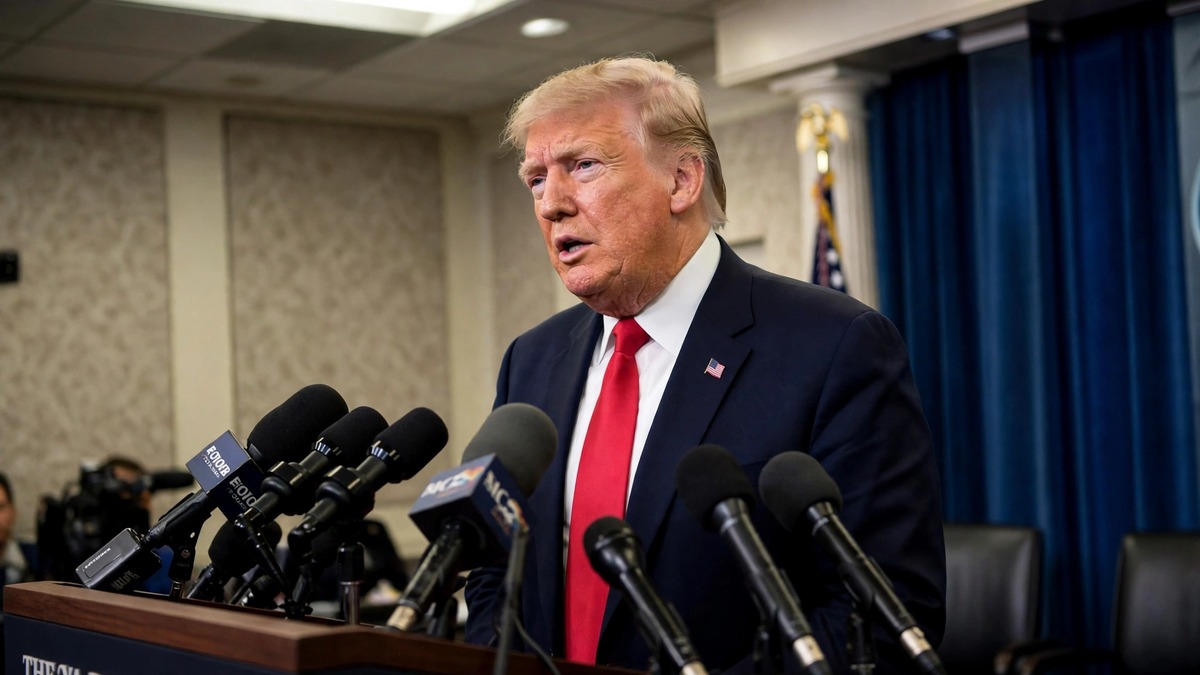
US President Donald Trump has admitted the Iran war hurt Republicans in Tuesday’s midterm elections, saying higher fuel prices weighed on his party even as Democrats seized control of both chambers of Congress.
Key Points:
- Trump said the Iran war was “a part of” the Republicans’ midterm losses, blaming higher fuel prices.
- He insisted he does not regret the war and would launch it again.
- He congratulated Democrats, said he accepts the results, and vowed to veto bills he calls “insane”.
- Iran’s parliament speaker said Americans voted “no to war”.
What happened
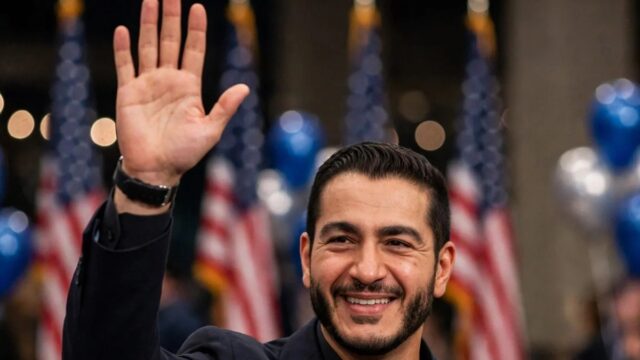
In a round of interviews on Tuesday night and Wednesday, Trump gave his first full reaction to a bruising night for his party. Democrats swept to control of the Senate and the House, flipping seats in states his party had long held, including Texas, Kansas and South Carolina. Speaking to Fox News, Trump said he was “a little surprised” by the scale of the defeat, adding: “The Democrats did a good job. They fought hard.” Asked whether the Iran war had played a role, he answered: “I think a part of it was Iran, but at the same time people understood the importance of what I’ve done with Iran.” To The Wall Street Journal he put it more bluntly: “Iran was a piece of it.” He said rising petrol and diesel prices, driven up by the conflict, had hurt Republican candidates, because voters were, in his words, probably not willing to accept the short-term cost at the pump. At the same time he refused to apologise for the war itself, telling the Journal: “I don’t think about it. I did the right thing. I would have done it again.” He also rejected the idea that voters had repudiated his presidency, insisting the biggest problem was that his own name was not on the ballot. On Truth Social he wrote: “I wasn’t on the Ballot and if I was, we would have won IN A LANDSLIDE!” He saved some of his sharpest words for his own side, attacking Texas Governor Greg Abbott, who lost his re-election race, by saying Abbott would not have lost if he had not “become a RINO in the last six months”. The night still produced historic firsts across the country, including Abdul El-Sayed becoming the first Muslim elected to the US Senate, while the Mississippi Senate race remained uncalled.
Why the Iran war matters
The war began on 28 February with joint US and Israeli strikes on Iran, aimed at its nuclear and missile programmes. It quickly became a kitchen-table issue in America, because fuel prices climbed and household budgets tightened. A Reuters/Ipsos survey taken just before the vote found 55% of voters believed the war did not justify its costs, while only 25% thought it was worthwhile. Figures given to Congress put the cost to American taxpayers at about $47.1 billion as of 16 October. Exit polling reported by Reuters found nearly nine in ten voters called the cost of living a major factor in their vote. That combination — a faraway war arriving at American petrol pumps — is why even the president now concedes it cost his party votes, and why his rivals will keep tying the war to prices for the rest of his term.
What happens next
Trump told The New York Times he was “absolutely willing to accept” the results and would “look forward to working with” the Democrats. But he also warned that Democratic bills he considers “insane” will meet his veto, predicting that after a couple of months of vetoes the two sides would start talking. Democrats, meanwhile, can now block his legislation and open investigations into his administration. In Tehran, parliament speaker Mohammad Bagher Ghalibaf said Americans had voted against the war, writing that “Americans said NO TO WAR” and warning Washington against ignoring public opinion. Trump also told the Financial Times the United States has no immediate plans to strike Iran. Two Senate races, in Alaska and Mississippi, are still uncalled, so the final shape of the new Senate is not yet settled.
Source: Reuters, The Wall Street Journal, BBC News | 4 November 2026.