A pastor from Kansas has done what no Democrat has managed in 94 years — win a United States Senate seat in one of the country’s reddest states.
Key Points
- The Associated Press called the Kansas Senate race for Democrat Adam Hamilton over Republican Senator Roger Marshall.
- With 100 percent of precincts reporting, Hamilton led by 556,414 votes to 503,230.
- It is the first time a Democrat has won this Kansas Senate seat since 1932.
- President Donald Trump campaigned in Kansas for Marshall, in a state he carried by 16 points two years earlier.
Democrat Adam Hamilton has won the Kansas Senate race, defeating Republican Senator Roger Marshall with all precincts reporting and ending 94 years of Republican control of the seat.
What happened
The Associated Press called the race on 3 November, and CNN and Decision Desk HQ followed with the same call. The count was complete: every precinct had reported, and Hamilton’s margin stood at more than 53,000 votes.
Hamilton is a pastor, and his campaign leaned heavily on a message that cut across party lines. Asked how a Democrat could win in a deeply red state, he gave an answer that his supporters quickly turned into the line of the night: “I think the people in Kansas — Republicans, independents and Democrats — were saying, ‘What’s happening in Washington is not OK.’”
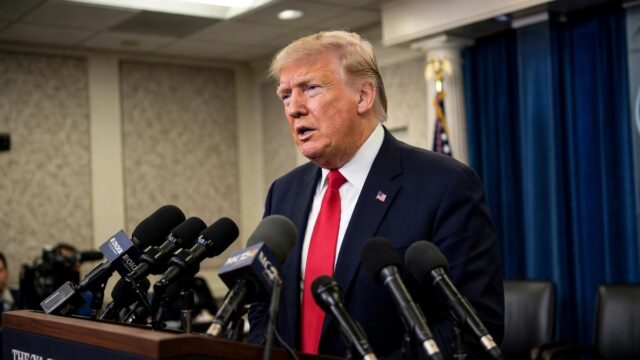
Marshall, the incumbent, ran as a fierce loyalist of President Trump. The president himself travelled to Kansas to campaign for him. Kansas is a state Trump carried by 16 points two years ago, which made the result all the more striking: even a presidential visit could not hold the seat.
The result lands in the middle of a midterm night full of surprises for Democrats. In Texas, James Talarico won the Senate race over Ken Paxton, the first Democratic Senate victory there since 1988. In South Carolina, Annie Andrews defeated Senator Darline Graham in another race few had predicted. Kansas now joins that list — and in some ways tops it, given how long the drought lasted.
Why it matters
Ninety-four years is not a normal losing streak; it is a political era. The last Democrat to win this Kansas Senate seat did so in 1932, in the depths of the Great Depression. Since then, generations of Kansas voters have sent Republicans to Washington without interruption.
That history is why this result will be studied far beyond Kansas. If a Democrat can win a Senate seat in a state as red as Kansas, party strategists on both sides will ask what has changed — and whether the same forces are at work in other states long written off as safe.
The result also sharpens the question facing the Republican Party after this midterm. Marshall’s campaign tied itself closely to the president, and the president campaigned personally for him. Losing anyway, in a state carried comfortably two years ago, suggests that loyalty to the national party brand was not enough this time.
For Democrats, the win is both a prize and a test. A Senate seat in Kansas changes the party’s map, but holding it will mean keeping the broad coalition Hamilton built — Republicans, independents and Democrats who, in his words, decided that what was happening in Washington was not OK.
What happens next
Hamilton will take his seat when the new Senate convenes, and attention will turn quickly to how he votes in a chamber where every seat counts. His first moves — which committees he seeks, which issues he leads on — will show whether the cross-party appeal of his campaign survives contact with Washington.
Marshall has not yet announced his next steps, and it remains to be seen whether he seeks another office or returns to private life. In Kansas, both parties will begin the long work of understanding a result that broke nearly a century of habit.
One thing is already clear: the 94-year headline will follow this race for years. Kansas just said no to something — and the rest of the country is still working out exactly what that was.
Sources: Associated Press, CNN, Decision Desk HQ | 4 November 2026. Vote counts are the final reported totals with 100% of precincts reporting.