President Donald Trump has said new Iran strikes are highly unlikely while talks to end the war move forward, even as he listed targets US forces could hit within an hour.
Key Points
- President Trump told CNN on Sunday that new strikes on Iran are “highly unlikely” if negotiations keep progressing, repeating the phrase five times in a 20-minute phone interview.
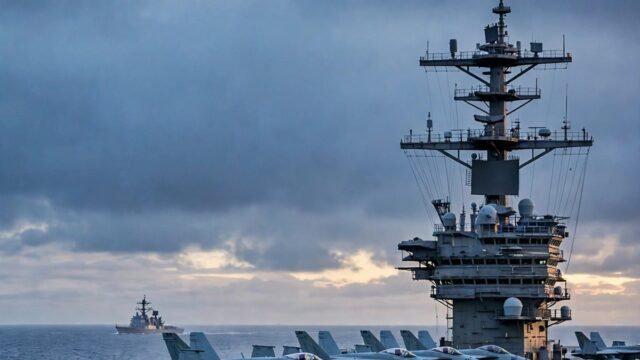
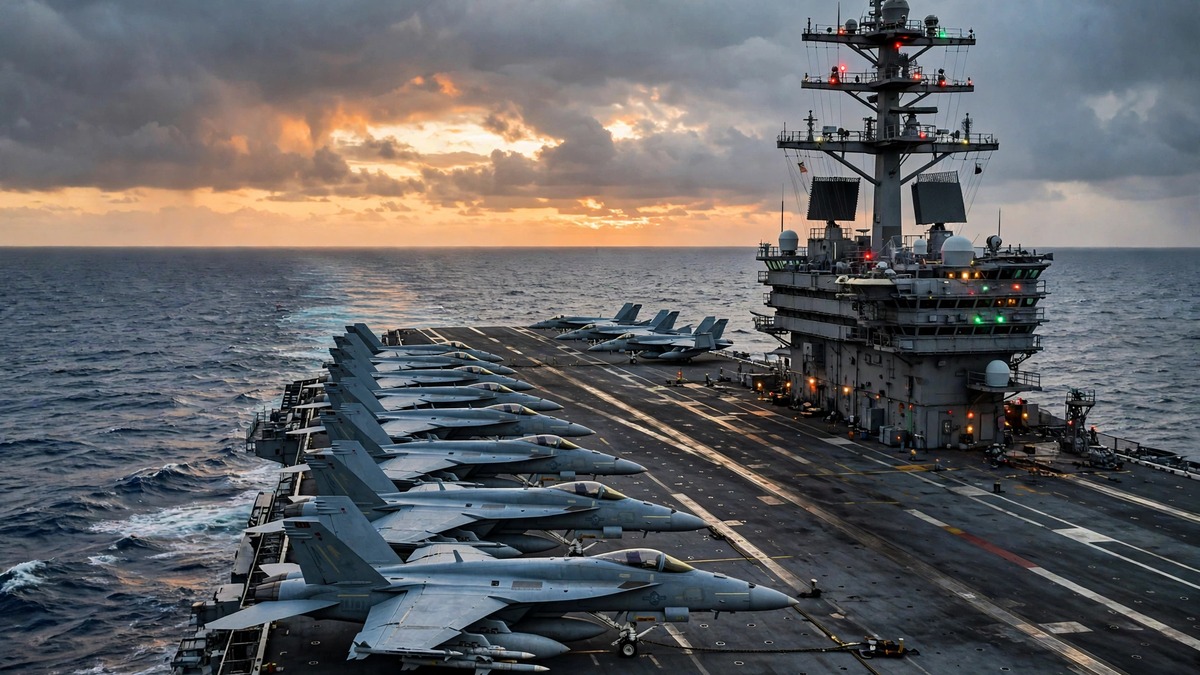
- He also said the US has three aircraft carriers in the region, “fully locked and loaded”, and 38 bridges in its sights that could be hit within an hour.
- Secretary of State Marco Rubio said no breakthrough is close, calling Iran’s demands “unacceptable” and in some cases “outrageous”.
- Iran’s Foreign Minister Abbas Araghchi said Tehran’s two-day proposal still stands and warned Iran would “rain down hell” if fighting resumes.
- Oil prices fell at Monday’s open, with Brent crude down to $97.67 a barrel.
What happened: Trump on new Iran strikes
President Donald Trump said on Sunday that he is highly unlikely to order American forces back into action against Iran, as long as negotiations to end the eight-month war keep moving.
“It depends on whether or not they sign a very strong agreement,” he told CNN’s Jim Sciutto in a 20-minute phone interview. “The answer is highly unlikely it’s going to be necessary. They’re a failing nation. It just came out, you saw this year, 301% inflation. Highly unlikely it will be necessary. I would if necessary, but we hit them really hard.”
He repeated the phrase five times during the call, while making clear the threat has not gone away. “We could finish them off,” he said, adding that three American aircraft carriers are in the region and “fully locked and loaded”. He said US planners had 38 bridges in their sights. “We have 38 bridges in our site that we can knock down in literally one hour,” he said.
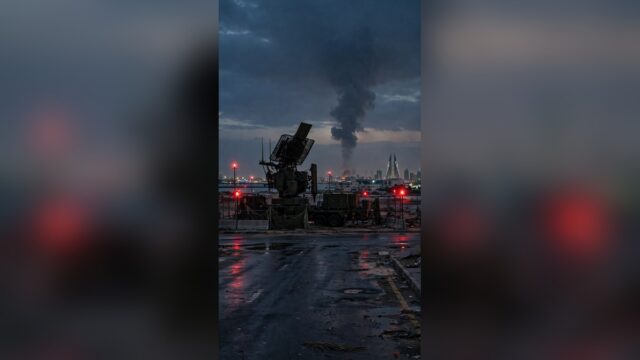
The interview came two days after Trump confirmed a small US strike on an air-defence system on Qeshm Island, which he called “minor”. Iranian state media reported further explosions on Qeshm on Sunday night and said the US military had fired projectiles at the island. The US has not confirmed that account, and Iranian state television said blasts heard in the Hormozgan cities of Bandar Abbas and Sirik were linked to Iran’s own forces operating in the Strait of Hormuz.
Why it matters
The two sides are describing the same moment in opposite terms. Trump is presenting the war as nearly over, pointing to the damage already done and to Iran’s economic strain. His own secretary of state, speaking hours later, said the talks are nowhere near a deal.
Rubio, talking to reporters in Florida before flying to Paris for a meeting of G7 foreign ministers, said he would not describe the negotiations as close to a breakthrough. “It hasn’t been very productive because the Iranian demands are simply not just unacceptable, but in some cases outrageous and ridiculous and really unrealistic,” he said, without naming which demands he meant.
Iran’s position has not moved either. Araghchi said on Sunday that mediators had made no new moves in recent days, blaming the pause on the shock of the US midterm elections, in which Republicans lost control of Congress. Tehran wants the naval blockade lifted and sanctions eased before it talks about its nuclear programme; Washington wants the Strait of Hormuz reopened and nuclear concessions first.
The gap matters because the fighting has not stopped while the talking stalls. At least 11 ships were attacked in and around the Strait of Hormuz over the past week, according to the United Kingdom Maritime Trade Operations agency, and three of them sank. Iran says it has lifted the 2,000km limit on how far its missiles can fly, and its Revolutionary Guard says it will prove the new reach in practice. The US has answered with a new land task force, Task Force Iron Gate, to choke off weapons and sanctioned material moving across Iran’s land borders and the Caspian Sea. Trump said on Sunday that the task force is “in full force and effect”.
Markets read the interview as a sign the war may be cooling. Brent crude fell 64 cents to $97.67 a barrel at Monday’s open, and US West Texas Intermediate fell 35 cents to $90.51.
What happens next
Qatar, which has been mediating between the two sides, said on Saturday that the talks remain active and denied reports that they had failed. Under the latest proposal reported from Doha, the US would lift its blockade of the Strait of Hormuz and release some frozen Iranian assets, while Iran would allow inspectors from the International Atomic Energy Agency back into its bombed nuclear sites. Neither side has confirmed those terms as agreed.
Iran has sent a nuclear proposal to Washington through Qatar, according to a senior Iranian official cited by Reuters. The official said the US was reviewing it, but that further talks would depend on Washington first meeting Tehran’s seven demands, which include sanctions relief, access to frozen assets and war reparations.
Araghchi put the choice in blunt terms on X on Sunday: “American voters have made their choice. Time for the White House to make its own.” He said Iran’s two-day proposal to end the war on all fronts still stands. “Or choose war, and see our alert and battle-hardened Warriors rain down hell,” he wrote.
Rubio will discuss the war with G7 counterparts in Paris this week. Trump has hinted before at renewing major attacks once the elections were over, but there has been no sign of a large-scale US military operation. Whether the “highly unlikely” holds will depend on what the mediators carry back from Tehran in the coming days. Iran has lifted the 2,000km limit on how far its missiles can fly. The US strikes on Qeshm Island came two days before this interview.
Source: CNN; Reuters; The Straits Times; CNA; Tasnim News Agency via Hasht-e Subh; Anadolu Agency via Middle East Monitor; Al Jazeera | 9 November 2026, 12:30 +08 (04:30 UTC)