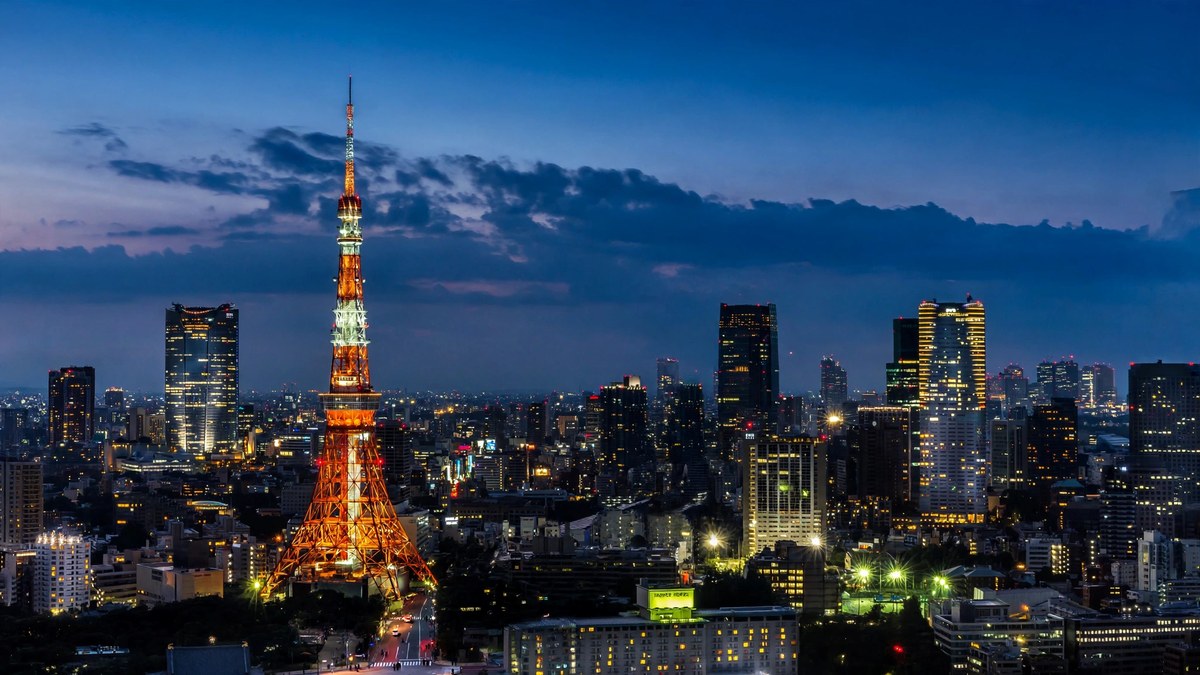
The tremor hit off Japan’s Kanto coast on Friday evening, rattling the capital region — but the sea stayed calm and nothing was damaged.
Key Points
- A magnitude 6.1 earthquake struck the sea off Japan’s Kanto region at 7:39 pm local time on Friday, 6 November 2026.
- The epicentre was about 169 km southeast of Asahi, east of Tokyo, according to the United States Geological Survey. Japan’s weather agency put the depth at about 10 km.
- Shaking reached intensity 3 on Japan’s 0-to-7 scale in Miyagi, Fukushima, Ibaraki and the Kanto region, and buildings in Tokyo swayed slightly.
- No tsunami alert was issued. The weather agency said slight sea-level changes were possible, but there was no concern about damage.
- No damage or injuries were immediately reported.
- Japan sits on four major tectonic plates and records about 18 per cent of the world’s earthquakes.
A magnitude 6.1 earthquake struck the sea off Tokyo on Friday evening, shaking buildings across eastern Japan, but Japan’s weather agency issued no tsunami alert and no damage was reported.
What happened
The tremor hit at 7:39 pm Japan time on Friday, 6 November — 10:39 GMT — in the sea off the Kanto region, the eastern part of Japan’s main island of Honshu that includes the capital. The Japan Meteorological Agency, the country’s weather and earthquake authority, recorded the quake at magnitude 6.1.
The epicentre was about 169 kilometres (105 miles) southeast of Asahi, a city just east of Tokyo, according to the United States Geological Survey. The weather agency put the depth at about 10 kilometres, which counts as shallow. India’s National Centre for Seismology, which also recorded the tremor, put the depth at 40 kilometres and placed the epicentre at 35.087 degrees North, 142.254 degrees East.
The shaking was measured at intensity 3 on Japan’s 0-to-7 scale, which records how strongly the ground shakes at each place rather than the size of the quake itself. Intensity 3 was recorded in parts of Miyagi, Fukushima and Ibaraki prefectures and across the Kanto region. The weather agency’s own description of that level is that “almost everyone indoors feels the shaking” and “dishes on shelves may rattle”. Buildings in Tokyo swayed slightly, but there were no immediate reports of damage or injuries.
The agency issued no tsunami alert. It said the quake might cause slight changes in sea level along the Japanese coast, but that there was no concern about damage.
Why the Tokyo earthquake matters
A quake of this size off the world’s largest metropolitan area is the kind of event Japan plans for every day. The country sits on top of four major tectonic plates along the western edge of the Pacific “Ring of Fire”, and it is home to around 125 million people. It typically feels hundreds of tremors every year and accounts for about 18 per cent of the world’s earthquakes.
The result this time was a scare rather than a disaster. The epicentre was far enough offshore, and the shaking on land stayed at the low end of the scale. At intensity 3, the shaking is strong enough to feel and to rattle dishes, but not strong enough to damage buildings — which is why offices and homes in Tokyo felt the tremor without harm.
Japan watches its neighbourhood closely for other reasons too. North Korea tested a new air-defence missile system in the region this week, a reminder that the seas and skies around Japan are monitored around the clock.
What happens next
The picture could still change: damage reports can arrive late, and aftershocks are common after a quake of this size. The weather agency’s bulletins are the place to watch for updates, and no tsunami alert is in force.
Transport networks are often the first to feel a sudden shock. This week, a wave of bomb threats forced 27 planes to land across Europe, showing how quickly an alert can disrupt travel — and why authorities check infrastructure first after any jolt.
Sources: Japan Meteorological Agency, via reports by AFP/The Japan Times, Channel News Asia, Arab News Japan, WION and NDTV, 6 November 2026; United States Geological Survey (epicentre distance); India’s National Centre for Seismology (coordinates and depth estimate). The intensity-3 description is the Japan Meteorological Agency’s own definition, as reported by AFP. Published: 7 November 2026, Kuala Lumpur time.