Key Points
- The National Capital Planning Commission voted 8-4 late on Thursday to approve the final plans for President Donald Trump’s 250-foot triumphal arch at Memorial Circle in Washington.
- More than 100 people spoke at a marathon hearing lasting almost nine hours, and nearly all of them opposed the project.
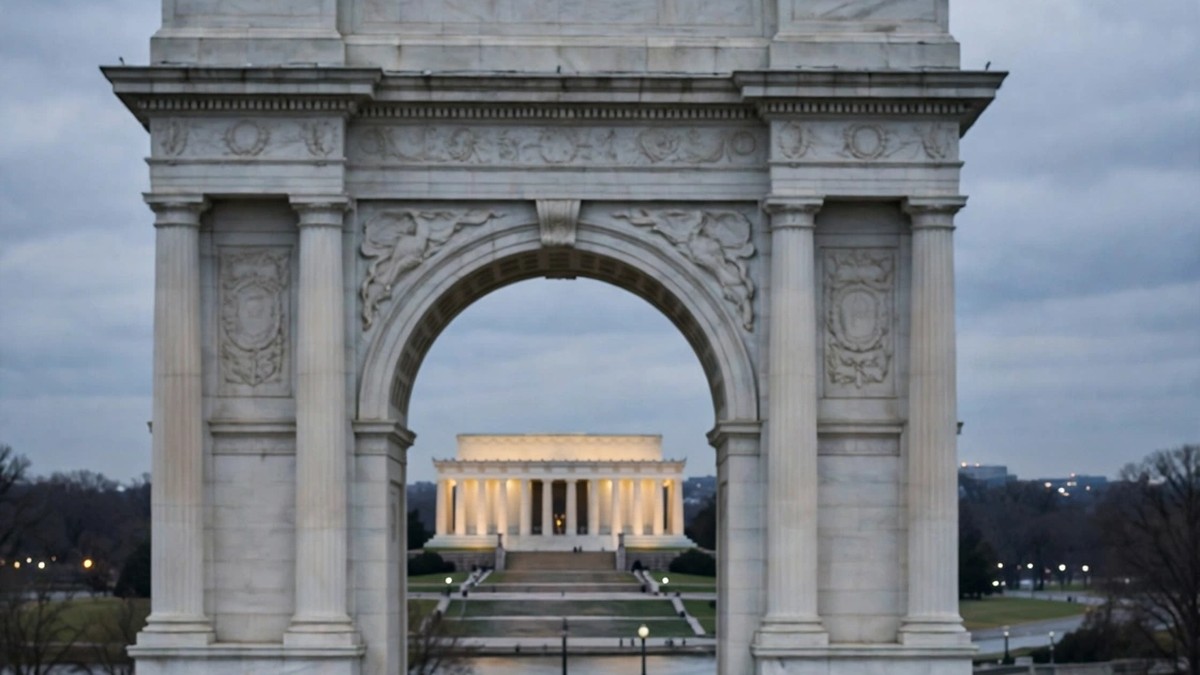
- The arch would stand 250 feet tall — a 166-foot stone arch topped by three gilded figures — between the Lincoln Memorial and Arlington National Cemetery.
- Construction could begin within days, but a federal judge is weighing whether to block it while lawsuits from Washington DC, Virginia, veterans and preservationists are heard.
- The project is expected to cost about $100 million and take 33 to 39 months to build.
Donald Trump’s proposed 250-foot triumphal arch has won final approval from the National Capital Planning Commission, which voted 8-4 late on Thursday to clear the way for construction at Memorial Circle in Washington.
What happened: panel approves Trump’s arch after marathon hearing
The National Capital Planning Commission voted 8-4 late on Thursday to approve the final site and building plans for President Donald Trump’s proposed triumphal arch, giving the project its last federal planning approval. The vote came at around 10:29 p.m. after a virtual meeting that ran for almost nine hours, during which more than 100 members of the public — many of them veterans — lined up to plead with the panel to block it.
The arch is planned for Memorial Circle, at the west end of Arlington Memorial Bridge, between the Lincoln Memorial and Arlington National Cemetery. It would stand 250 feet (76 metres) tall, making it taller than the Arc de Triomphe in Paris that inspired it. The stone arch itself would rise 166 feet, topped by three gilded figures — a winged Lady Liberty at the centre, flanked by golden eagles — bringing the total height to 250 feet. The structure would also include an observation deck, offices and space for about 400 visitors.
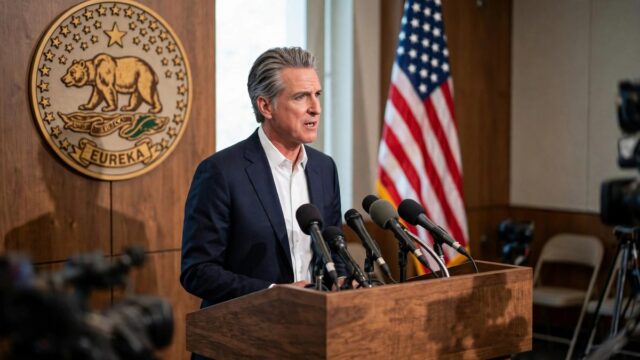
The commission is stacked with Trump-appointed supporters, and its chair, Mark Paoletta, had said before the meeting that he would vote to approve the project, calling it a “historic effort” by the president. The Commission of Fine Arts approved the arch’s design in the spring, and the planning commission gave preliminary approval in July. Thursday’s vote settled the final plans, including the height, the footprint, road changes around the circle and an eternal flame.
Opponents denounced the structure as a vanity project and objected that it was never approved by Congress. California Representative Jared Huffman, the top Democrat on the House Natural Resources Committee, told the hearing the arch was “illegal”. Critics also say its scale and location would disrupt the sightline of national landmarks including the Lincoln Memorial and Arlington National Cemetery, and break the solemnity of funerals at the cemetery. The Federal Aviation Administration has determined the arch will pose no hazard to air navigation, despite its site close to Ronald Reagan Washington National Airport.
Why it matters: a monument fight that reaches the courts
The approval is a major victory for Trump, who has made reshaping Washington’s landscape a central project of his second term, but it does not settle the arch’s fate. The project still faces legal challenges that could delay or stop construction entirely. Washington DC and Virginia sued last Saturday to halt the start of construction, and three Vietnam War veterans and preservation groups have filed separate cases. They argue the project lacks explicit congressional authorisation, pointing to the Commemorative Works Act, which requires Congress to approve new monuments in Washington.
US District Judge Tanya Chutkan is considering a joint request to pause work until the legal cases are finished, and has vowed to rule “expeditiously”. On Wednesday she ordered the government to notify her within one hour of any commission decision and to give 30 minutes’ notice before any preparation for construction, so she has time to issue a decision on whether to block it. The Justice Department has confirmed that a contractor painted site lines without Park Service permission and agreed to stop.
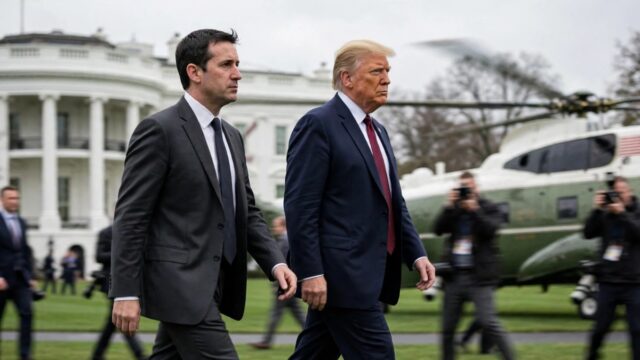
The timing matters politically. The White House is eager to move forward before a new Democrat-controlled Congress takes power in January, after Democrats swept both chambers in Tuesday’s midterm elections. Trump has said he wants the arch finished before he leaves office in January 2029, and has described it as a monument to the nation’s 250th anniversary, the American spirit, the American military and American “competence”. The Justice Department, however, has said construction would take 33 to 39 months, meaning it would not be completed until after Trump leaves office. The final cost is unknown, but estimates place it at about $100 million.
What happens next: construction could start within days
Construction can begin once the Interior Department issues work authorisation and the National Park Service publishes notice — both steps the administration has described as formalities that could come immediately. The government said in a court filing that work could begin as early as Thursday, the same day as the vote, and the Justice Department expects an initial six to eight months of excavation and foundation work to start this week. Above-ground construction would begin in May 2027 at the earliest.
Whether that timetable holds depends on Judge Chutkan. Opponents are expected to seek an emergency order blocking groundbreaking, and the judge’s notice rules mean any move to start work will land in her court within the hour. If she refuses to block it, bulldozers could reach Memorial Circle within days. If she halts it, the arch — approved in planning but still contested in law — will wait for the courts to decide whether a president can raise a monument of this scale without Congress.
Sources: CNN / Arab News | 6 Nov 2026. The vote and the court position were reported on Thursday 5 November 2026 (US time); construction has not yet begun and remains subject to a court decision.