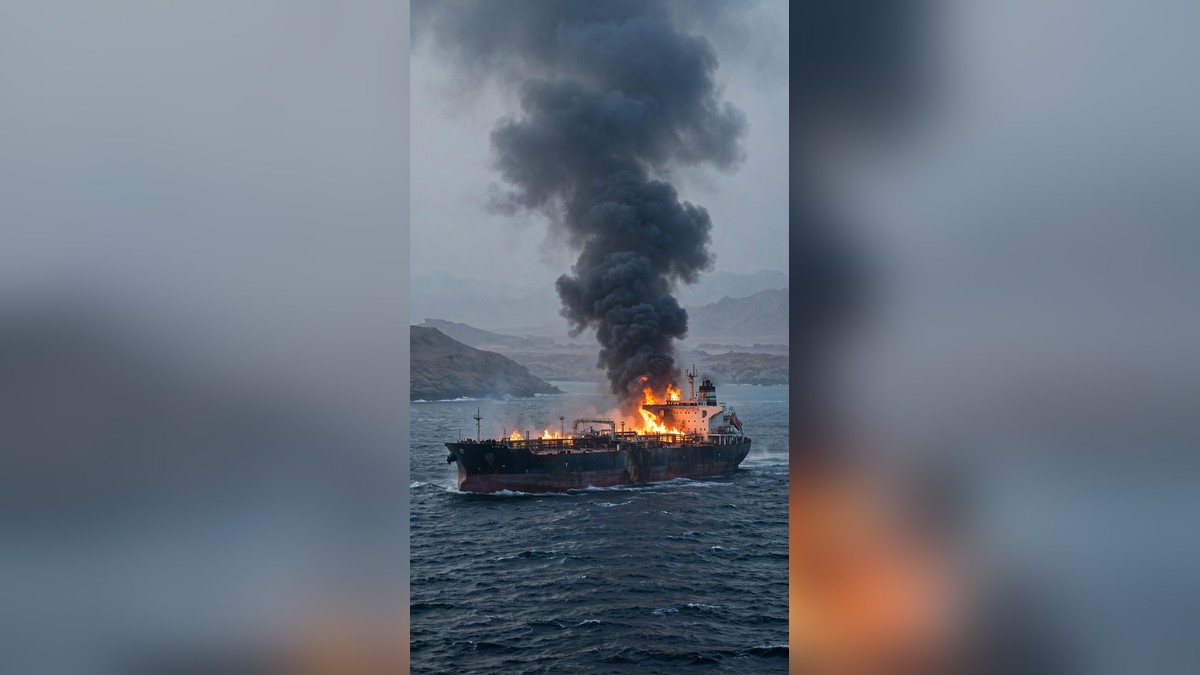
A fifth tanker has caught fire in the Strait of Hormuz in 24 hours, Iran’s navy said on Saturday, as Tehran warned ships entering its restricted zone in the waterway face the same fate.
Key Points
- Iran’s navy says a tanker caught fire on Saturday morning after hitting a naval mine in the eastern Strait of Hormuz — the fifth such vessel in 24 hours, according to Iranian statements.
- Two tankers caught fire on Saturday morning alone. On Friday, Iran’s Revolutionary Guards said two more tankers exploded after striking mines, one of them a supertanker.
- Tehran says the ships were crossing a banned route with their tracking systems switched off, and warns any vessel entering the restricted zone faces the same fate.
- No vessel names, owners or flags have been given, and the claims have not been confirmed by any outside source.
- Iran says the strait will only reopen once the US naval blockade ends and Washington accepts its seven conditions.
What happened
The latest fire broke out on Saturday morning in the eastern part of the Strait of Hormuz, Iran’s navy said in a statement carried by state broadcaster IRIB. The tanker had ignored earlier warnings and entered what Tehran calls a prohibited and unsafe area with its tracking and identification systems switched off, the navy said. It struck a naval mine, caught fire and was forced to stop.
Hours later, the navy reported a second tanker on fire on Saturday morning — the fifth vessel hit in 24 hours, according to Iranian statements. The navy gave no name, owner or flag for either ship.
The navy warned shipowners directly. “Fire and explosions are the fate of tankers involved in illegal activities that have turned off their tracking systems and are operating in restricted areas,” it said, in a message quoted by the semi-official Tasnim news agency.
The two Saturday-morning fires followed a day of similar claims. Late on Friday, the navy of the Islamic Revolutionary Guard Corps (IRGC) said two oil tankers had exploded and caught fire after striking sea mines in the southern strait. The Guards said the ships had switched off their radar and positioning systems and were trying to cross secretly through a route Tehran had banned. One of the two was a supertanker, the Guards said, adding that flames from the ship lit up the southern shores of the strait.
On Friday the Guards also released video of a large plume of smoke rising from a vessel it said was carrying liquefied gas and had hit a mine in the south of the strait.
Reuters, which reported the navy statement on Saturday, said it could not immediately verify the claims. None of the Iranian statements gave the names or countries of origin of the vessels.
Why it matters
The five fires in a single day mark the sharpest escalation yet in Iran’s campaign to control who sails through the strait, the narrow waterway that carries a large share of the world’s seaborne oil. Tehran has restricted navigation there since the United States and Israel attacked Iran in February, and it has struck ships it says broke its rules.
Iran’s position, set out by its army in a written statement on Saturday, is that any vessel crossing without its coordination is smuggling oil. Ships that do so, Tehran says, will be targeted. The strait, Iran says, will only reopen when the American naval blockade of Iranian ports ends and the United States accepts Iran’s seven conditions for a settlement.
The human cost of the shipping war is already visible. The United Nations told the Security Council on Friday that at least 25 seafarers had been killed in more than 130 confirmed incidents in and around the strait since the war began, with October the worst month so far. Shipping through the waterway is running about 65 percent below pre-war levels, according to the same briefing.
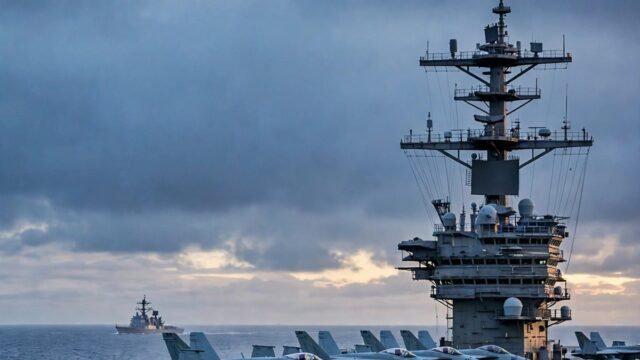
The United States has answered Iran’s grip on the strait with a naval blockade of Iranian ports and military support for tankers using the waterway. The two sides are now squeezing each other’s shipping at the same time, and every new fire raises the price of oil moving through the Gulf.
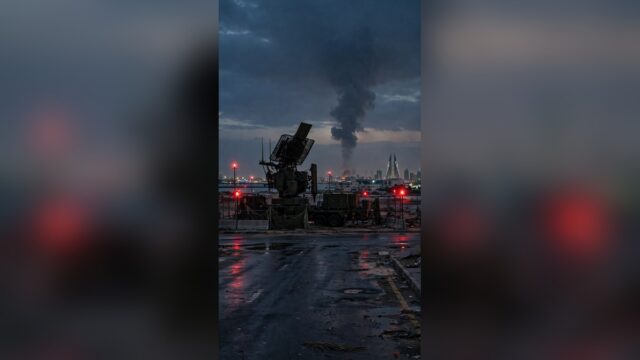
The tanker fires also come a day after Iran said it destroyed a US radar in Bahrain, a claim the American military denied while saying it shot down two Iranian drones heading for the island. The radar claim and the tanker fires together show Tehran pressing on two fronts at once — against American forces in the Gulf and against the shipping that passes through it.
What happens next
Nothing suggests the tanker campaign will slow. Iran’s navy has warned in plain terms that any ship entering the restricted zone risks the same fate, and its army says the mines are laid and the rules will be enforced. Shipowners now face a choice between Tehran’s authorisation, a US escort, or staying out of the strait altogether.
Diplomacy has a date but no deal yet. US President Donald Trump meets Russia’s Vladimir Putin and China’s Xi Jinping in Shenzhen on Thursday, 19 November, with the Iran war on the agenda. Until then, the blockade stays and the mines stay in the water.
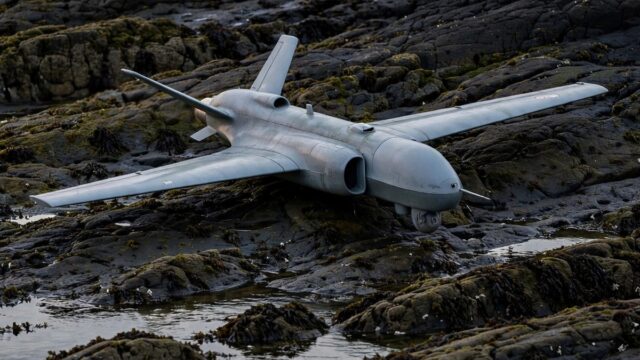
Separately on Saturday, the IRGC said it shot down a US MQ-1 Predator drone over Qeshm Island in the strait, calling it the 17th such drone it had brought down. The United States has not confirmed the claim, and no wreckage has been shown.
If a sixth tanker burns in the coming days, the question for the shipping industry will no longer be whether the strait is dangerous, but whether it is usable at all.
SOURCES: Reuters; Al Jazeera; Press TV; Yeni Safak; 24NewsHD; Aaj; Mehr News Agency; IRNA.
TIME: Saturday, 14 November 2026.