The United Arab Emirates has warned that a deal to end the war between the United States and Iran looks difficult, telling the region to prepare for a long period of uncertainty.
Key Points
- Anwar Gargash, diplomatic adviser to the UAE president, said on Monday that a comprehensive US-Iran settlement “appears difficult” and warned of a prolonged period of uncertainty.
- He said the consequences of the war “may persist for a long time” and that the UAE would invest in its defences, deterrence and security partnerships.
- The warning comes a day after President Trump said new strikes were “highly unlikely”, while Secretary of State Marco Rubio said no breakthrough is close.
- Qatar’s prime minister meets Trump at the White House on Monday, and Trump says he will discuss ending the Iran war with Xi Jinping and Vladimir Putin at APEC next week.
- Iran’s foreign minister says Tehran’s two-day proposal still stands and has warned of a severe response if fighting resumes.
What happened: UAE warns the Iran deal looks difficult
The United Arab Emirates has told the region to brace for a long stretch of uncertainty over the war with Iran, saying a full political settlement between Washington and Tehran now looks hard to reach.
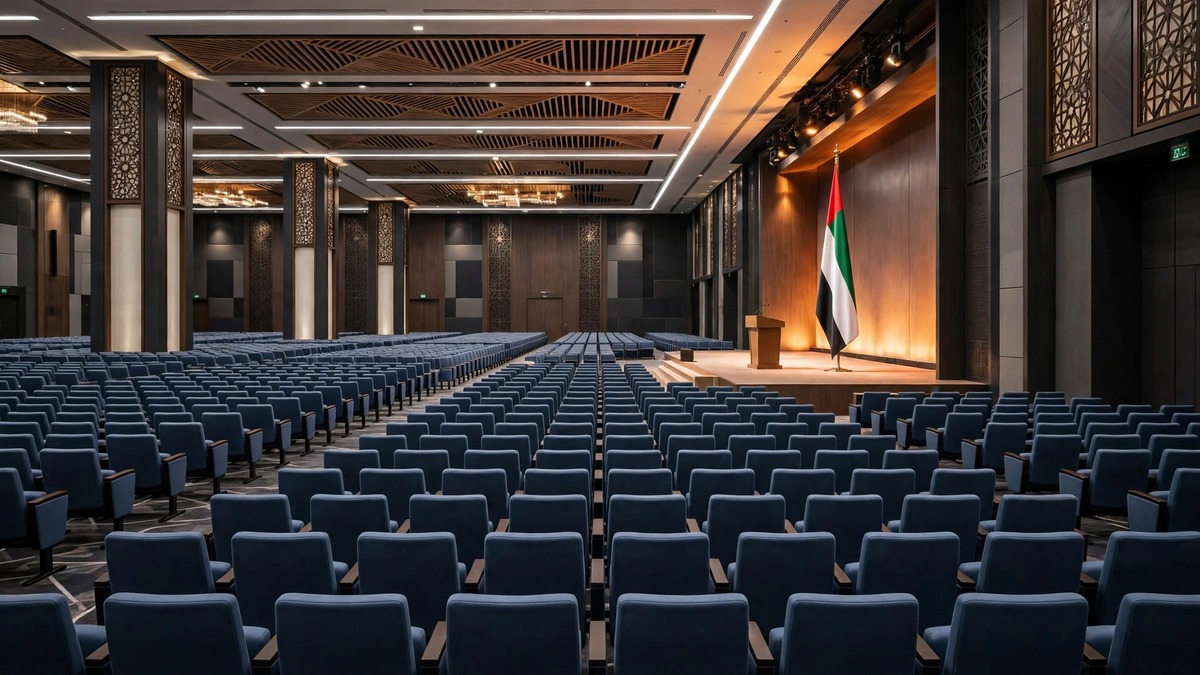
Anwar Gargash, the diplomatic adviser to the UAE president, gave the warning on Monday in an address to the Abu Dhabi Strategic Debate, a geopolitical conference in the Emirati capital.
“We should … prepare for a long period of uncertainty in which neither a decisive resolution nor stable regional order can be taken for granted,” he said. A comprehensive political settlement between the United States and Iran to end the more than eight-month war “appeared to be difficult”, he added.
Gargash said the effects of the war “may persist for a long time”. That, he said, means the UAE must invest in its “defensive capabilities, the maintenance of credible deterrence, and stronger international security partners”. He thanked France, Israel, Greece, Egypt and India for their “support and solidarity”, noting that some countries had helped defend the Emirates against Iranian attacks earlier this year.
The UAE opposed the American war with Iran from the outset, Gargash said. A week earlier, speaking in Manama on 1 November, he had said the Emirates were “braced for the worst” amid fears that the United States was about to strike Iran and that Tehran would hit back at Gulf states, as it had done earlier in the year.
He also said the long uncertainty ahead would demand steady diplomatic contact by the UAE with Iran and with other regional and international partners. Some of that contact in the near term “might be transactional by necessity”, he said, without spelling out what that would involve.
Why it matters
The warning lands as the two sides describe the same moment in opposite terms. On Sunday, President Donald Trump told CNN that new American strikes on Iran were “highly unlikely” if talks keep moving, repeating the phrase five times in a 20-minute phone interview. Hours later, his own secretary of state said the negotiations were nowhere near a deal.
Marco Rubio, speaking to reporters in Florida before flying to Paris for a meeting of G7 foreign ministers, said he did not believe a breakthrough was imminent. “It hasn’t been very productive because the Iranian demands are simply not just unacceptable, but in some cases outrageous and ridiculous and really unrealistic,” he said, without naming which demands he meant.
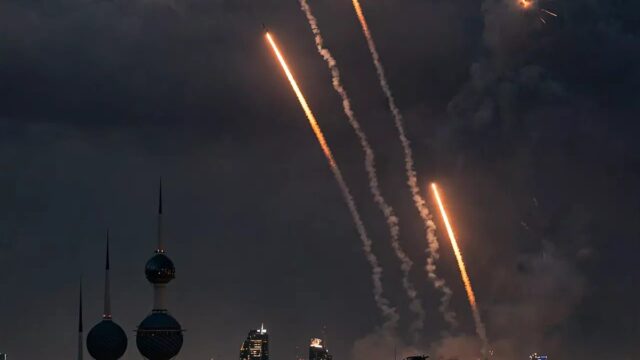
Gargash’s message sits closer to Rubio’s reading than to Trump’s. The Emirates have more at stake than most: they sit across the water from Iran, their ports and airports were targeted earlier in the war, and the Strait of Hormuz — the narrow channel carrying a large share of the world’s seaborne oil — runs past their shores. In an earlier interview with Foreign Affairs, Gargash said Iran had subjected the UAE to 3,300 missiles and drones, with 95 per cent aimed at civilian infrastructure, and that the country’s interception rate was in the upper 90s.
Iran’s position has not moved either. Foreign Minister Abbas Araghchi said on Sunday that mediators had made no new moves in recent days, blaming the pause on the shock of the US midterm elections, in which Republicans lost control of Congress. Tehran wants the naval blockade lifted and sanctions eased before it talks about its nuclear programme; Washington wants the Strait of Hormuz reopened and nuclear concessions first. Araghchi said Iran’s two-day proposal to end the war on all fronts still stands, and warned that Tehran’s forces would “rain down hell” if fighting resumes.
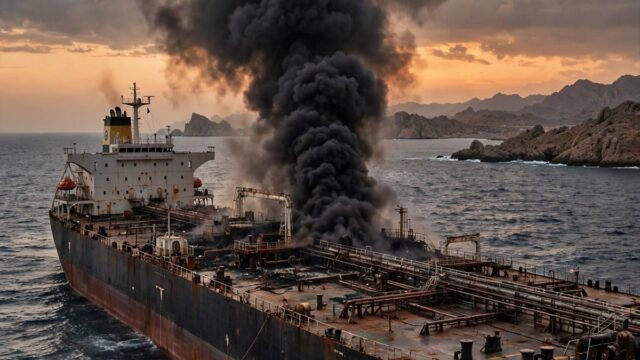
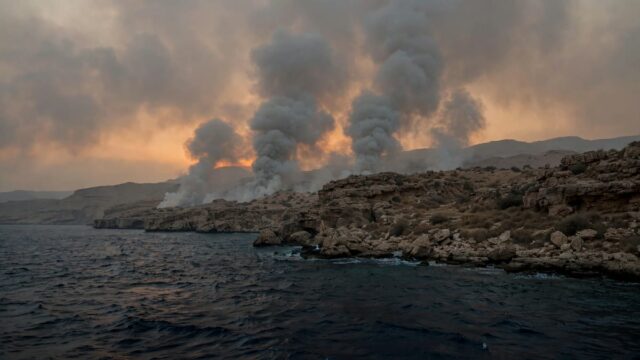
The gap matters because the fighting has not stopped while the talking stalls. At least 11 ships were attacked in and around the Strait of Hormuz over the past week, according to the United Kingdom Maritime Trade Operations agency, and three of them sank. Iran says it has lifted the 2,000km limit on how far its missiles can fly, and the United States has answered with a new land task force, Task Force Iron Gate, to choke off weapons and sanctioned material moving across Iran’s land borders and the Caspian Sea. Iran has lifted the 2,000km limit on its missiles.
What happens next
Qatar, which has been mediating between the two sides, said on Saturday that the talks remain active and denied reports that they had failed. Its prime minister, Sheikh Mohammed bin Abdulrahman Al Thani, meets Trump behind closed doors at the White House on Monday.
Trump has also said he expects to meet Chinese President Xi Jinping and Russian President Vladimir Putin at the APEC summit in Shenzhen on 18-19 November, where he plans to discuss “denuclearisation” and ending the war in Iran. “We’re trying to end the war in Iran,” he told reporters on Sunday before flying back to Washington from Florida.
The war began on 28 February, when the United States and Israel launched a military offensive against Iran. A ceasefire followed in April, and a memorandum in June aimed at a peace agreement, but the negotiations have not produced a final settlement. Iran has proposed that Washington lift its blockade of Iranian ports in exchange for Tehran reopening the waterway within seven days, while Washington has pressed for nuclear concessions first.
Rubio will discuss the war with G7 counterparts in Paris this week. Whether Trump’s “highly unlikely” holds, or Gargash’s long uncertainty proves the better guide, will depend on what the mediators carry back from Tehran in the coming days.
Source: Reuters; The Straits Times; The National; Al Jazeera; Gulf News; Tasnim News Agency | 9 November 2026, 15:30 +08 (07:30 UTC)