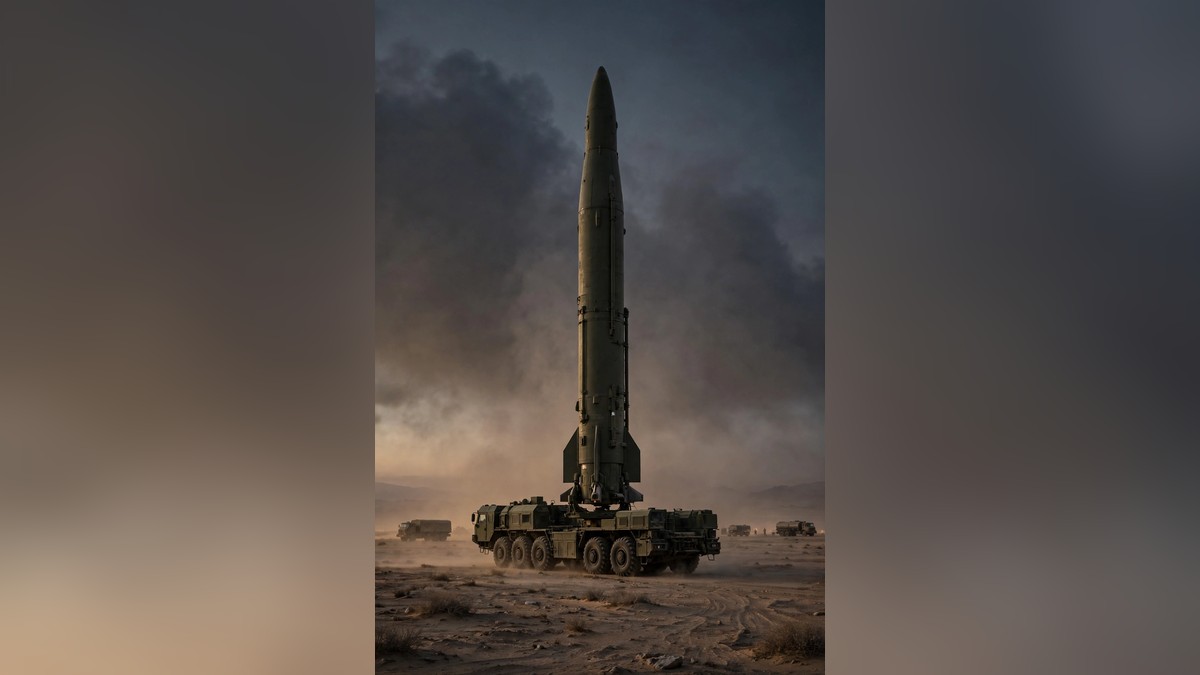
Iran still holds between 1,500 and 2,500 missiles, American intelligence now assesses, leaving Tehran able to strike US and allied targets if full-scale war returns.
Key Points
- US intelligence puts Iran’s remaining missile arsenal at 1,500 to 2,500, a low-confidence estimate.
- The figure clashes with White House claims that Iran’s military was decimated by months of strikes.
- Israeli officials put the count above 1,500, and a separate Western estimate this week put it at 1,700 or more.
- Iran is still building about 50 ballistic missiles a month, roughly half its pre-war rate.
- Gulf allies have urged Washington not to return to war, while Israel’s prime minister keeps pressing for new strikes.
What happened
American intelligence agencies have reached a new judgment on what Iran has left after eight months of war: between 1,500 and 2,500 missiles, according to US officials who spoke to The Wall Street Journal. The newspaper published the assessment on Sunday, and the Anadolu news agency carried the same figures hours later.
The officials were frank about the limits of the number. They called it a low-confidence assessment, because counting Iran’s arsenal means sorting missiles ready to fire from missiles sitting in storage, and Tehran keeps both hidden. Even with that doubt, the officials said one thing was clear: Iran still holds a formidable stockpile.
The finding lands awkwardly for the White House. President Donald Trump and his senior officials have said for months that Iran’s armed forces were shattered by the joint American and Israeli bombing campaign that began in late February. Defence Secretary Pete Hegseth repeated that line on Tuesday, telling reporters that Iran’s defence industry was gone and more than 80 percent of its nuclear industry destroyed. “By every measure we achieved a historic military victory,” he said.
A White House official told the Journal that the operation, known as Operation Epic Fury, had left Iranian forces helpless and that the blockade and sanctions squeezing Tehran’s economy had made the government weaker than ever.
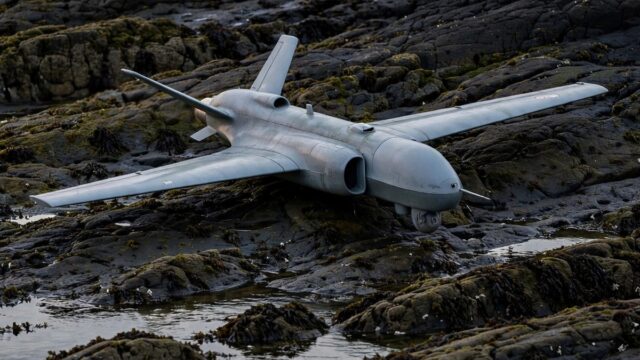
The intelligence picture points the other way. US officials said Iran has kept rebuilding its arsenal, more slowly than before the war but steadily, mostly by assembling missiles from parts stockpiled before the fighting. Tehran also holds large numbers of drones and short-range missiles, the officials said.
Israeli military officials have reached a similar count, putting Iran’s ballistic missiles above 1,500, though figures differ across the region. Simone Ledeen, who served as deputy assistant secretary of defence for the Middle East in Trump’s first term, said even the low end of 1,500 would mean Iran had restored more than half of what it held before the war. She noted that Iran rebuilt its arsenal once before, between the 12-day war of June 2025 and the start of the current conflict in February.
A separate Western intelligence estimate reported this week put the floor higher still: at least 1,700 ballistic missiles, with Iran still producing about 50 a month, roughly half its pre-war output. That estimate, first reported by Bloomberg, also counted more than 2,200 ballistic missiles and over 4,900 Shahed drones fired by Iran since the war began.
Why the missile count matters
The number is not an academic exercise. It sits at the centre of the argument inside the Trump administration over whether to hit Iran again alongside Israel, US officials said. A stockpile of 2,500 missiles would leave Tehran able to keep striking American bases, radars and early-warning sites across the Middle East, as it has done through the war.
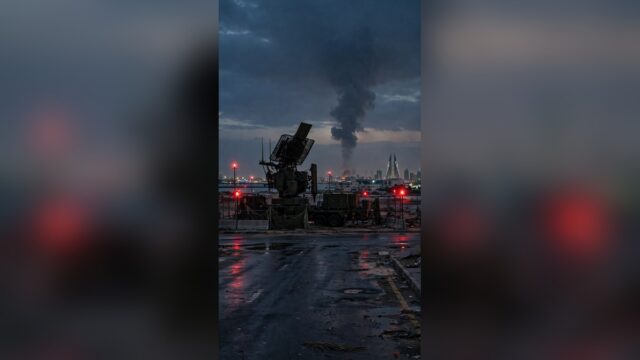
Iran has already shown it can do damage. Its ballistic missiles and drones, fired with improving aim, have hit US military installations and warning systems around the region, according to the Journal. Tehran has also claimed a strike on an early-warning radar in Bahrain, a claim the US military rejected. The strikes have been serious enough that many American military assets have been moved to Israel, which US and Israeli officials regard as safer ground.
Tehran has also learned to use what it has more effectively. It has improved its intelligence and targeting data, with help from allies such as Russia, and it has changed tactics, mixing missiles and drones in the same attack. “It’s not just the size of that arsenal. It’s how Iran uses it, and its commanders have learned a few tricks to be more effective,” said Bilal Saab, a senior managing director at the Washington geopolitical-risk firm Trends US.
An Israeli military official put it bluntly: despite being badly hit, “they are rebuilding, rearming,” and preparing for a serious round of fighting.
Counting the arsenal is hard for a reason. Tehran treats the figures as a state secret, spreads production across many makers, and builds from finished components stored underground. Jim Lamson, a former CIA analyst who specialised in Iran’s military and now researches at King’s College London, said the task can be “extremely low confidence even with all the classified information.”
The underground sites are a large part of the story. The Journal reported in April that Iran kept thousands of short- and medium-range missiles that could be pulled from buried stores. American and Israeli strikes collapsed the entrances to those facilities, but satellite images have since shown Iran digging some of them out again, and an Israeli official said the missiles inside probably survived intact. In September, the Journal reported that Iran had restarted assembling missiles from its stockpiled parts.
The count also shapes the politics around the war. Trump has chosen for now to keep squeezing Tehran through a naval blockade and sanctions rather than ordering large strikes. Vice President JD Vance used the pause in fighting to open a channel to a senior Iranian hard-liner in search of a deal, but Trump told him to end the diplomacy and focus on domestic issues, the Journal reported.
Allies in the Gulf have told the administration they do not want a return to war, warning that Iran could hit them with missiles and drones in reply. Israel’s prime minister, Benjamin Netanyahu, is pushing the other way, arguing for renewed operations. He remains caretaker prime minister after inconclusive elections last month. His intelligence chief, Mossad Director Roman Gofman, was in Washington on Friday for talks with US officials about Iran.
Trump himself has sent mixed signals. In a Veterans Day address on Wednesday he said the United States had not entirely defeated Iran. “We won,” he said. “Now the question is when we want to end. We must have a total victory, not a 93% victory. It’s going to be total.” He later told radio host Hugh Hewitt that it would be a “defeat” for the United States if Iran’s government were still in power at the end of his term.
Reuters reported on Saturday that Trump has told senior advisers he may hold off attacking Iran if Tehran and the Iran-backed Houthis in Yemen offer no new provocation. In calls over the past two weeks, Saudi Crown Prince Mohammed bin Salman and Turkish President Tayyip Erdogan both urged him not to resume the war. The conflict has pushed up fuel prices and proven unpopular with American voters, who handed control of Congress to the Democrats in last week’s elections.
What happens next
The missile count will keep framing the choice Trump faces: strike again with Israel, or keep the economic pressure on and hope it works. Neither path is settled. US officials say Trump has not made up his mind, and he has swung between threats of escalation and talk of winding the war down.
Iran, for its part, has lifted its own self-imposed limit on missile range and has warned of retaliation without geographic limits if it is attacked again. Its navy is also pressing its campaign in the Strait of Hormuz, where it says tankers using unauthorised routes have struck mines.
For now, the assessment leaves Washington with an uncomfortable gap between what it has claimed in public and what its own analysts believe in private: a battered but still heavily armed Iran, rebuilding underground, and able to fight another round.
Source: The Wall Street Journal, Anadolu Agency, Bloomberg (via Israel Hayom), Reuters | 15 Nov 2026