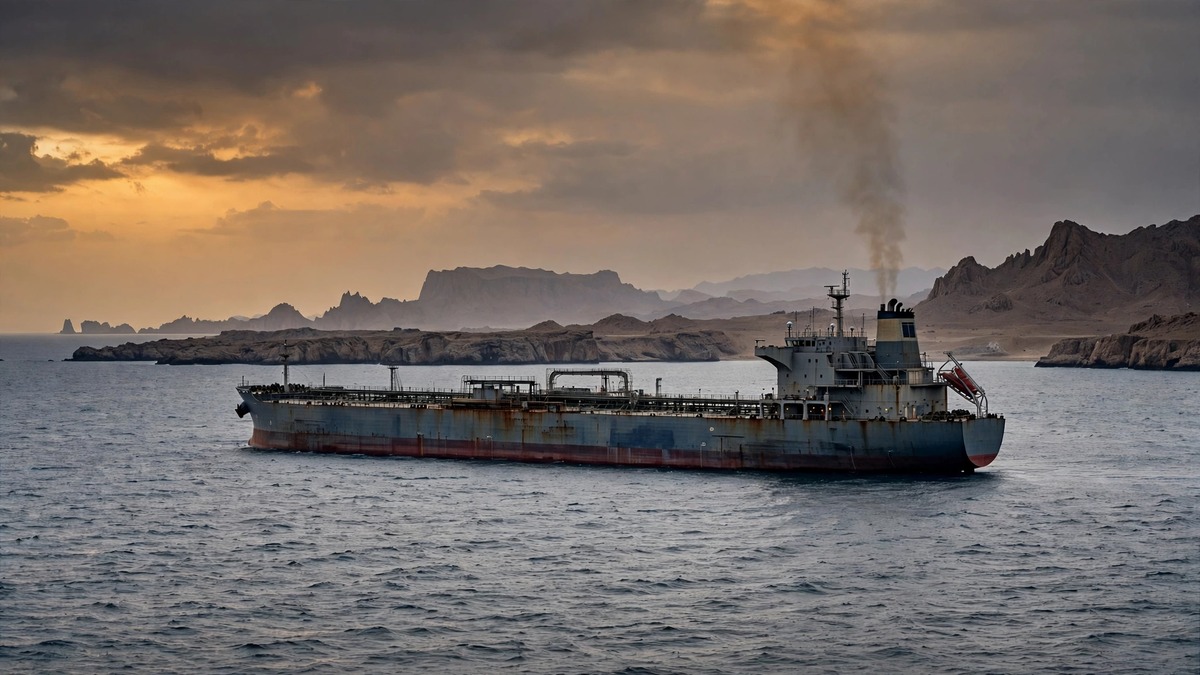
Hormuz tankers halted again on Monday as Iran claimed four more oil tankers were stopped in the Strait of Hormuz in 24 hours, taking its claimed 10-day total to 11 vessels.
Key Points
- Iran’s navy claims four oil tankers were halted in the Strait of Hormuz in the past 24 hours after their navigation systems were disabled.
- Tehran puts its claimed 10-day total at 11 tankers targeted, a figure it first gave on 2 November and which has not been independently verified.
- Reuters reports Iran also claims no unauthorised vessel crossed the strait overnight after navigation aids in the southern channel were destroyed.
- The claims land hours before Qatar’s prime minister meets President Trump at the White House, and as Iran’s president repeats a call for dignified talks to end the “no war, no peace” stalemate.
What happened: Four tankers halted in Hormuz
Iranian state television reported on Monday that four oil tankers came to a halt in the Strait of Hormuz over the past 24 hours. The report, carried by Al Mayadeen and the Mehr news agency, said the vessels had been using a route outside the passage Iran designates for shipping, and that their navigation systems were disabled, leaving them stranded.
Mehr reported that the navies of the Revolutionary Guards and the Iranian Army prevented the four tankers from continuing their passage, and repeated the claim that 11 tankers had been targeted over the past 10 days. Iranian television also described the vessels as burning wreckage on the sea, a detail no outside source has confirmed.
The same Iranian account appeared in Al Jazeera’s live coverage, which noted that the Guards had already reported fires on several commercial vessels in recent days, including three tankers on Sunday. The International Maritime Organization has recorded the deaths of at least 25 seafarers since the war on Iran began on 28 February.
The headline figure needs care. The claim of 11 tankers hit in about 10 days was first made by the Revolutionary Guards Navy on 2 November, when it said 11 tankers had caught fire or sunk since 25 October. Monday’s reports repeat that figure with a longer window, rather than adding 11 new incidents. The claim has not been independently verified, and no vessel names, crews or casualty details have been given.
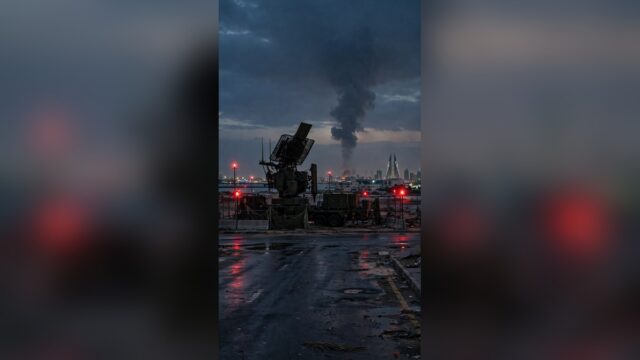
Separately, Reuters reported on Monday that navigational aid systems in the southern part of the strait were destroyed and that no unauthorised vessel used the maritime route overnight, citing an unnamed Revolutionary Guards Navy official speaking to Iranian state media. Figures from international maritime agencies, reported last week, show attacks on tankers in the Gulf and the Strait of Hormuz running at their highest rate since the war began.
Why it matters
The strait is the chokepoint through which a large share of the world’s seaborne oil normally passes, and Iran’s tanker campaign is now the most active front of the war. Tehran insists ships must use its northern passage with Iranian permission, while Washington calls the southern lane lawful and has warned that forcing vessels through will fail. Each halted tanker tightens that standoff and raises the cost for shippers, insurers and oil buyers.
The timing matters too. The claims arrived on a day of intense diplomacy. President Masoud Pezeshkian said Iran was ready to negotiate with dignity to end the state of “neither war nor peace”, repeating an order from Supreme Leader Mojtaba Khamenei that was first given on 28 October. Qatar’s prime minister is due to meet President Trump at the White House overnight, and Turkiye’s intelligence chief said a deal on the table was fair for both sides and that Ankara was working hard to stop another attack on Iran. Iran’s foreign ministry spokesman, Esmaeil Baghaei, said on Monday that Tehran’s two-day plan to reopen the strait remained the most practical route, and that no new proposal had been submitted.
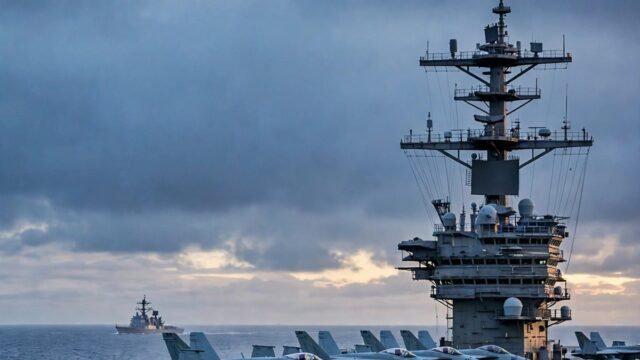
Yet the military pressure has not eased. The United States struck Qeshm Island again on Sunday night, according to Iranian state media, and its Task Force Iron Gate land blockade is now described by the White House as in full force. Trump has said new strikes are “highly unlikely” if talks progress, while warning that 38 bridges in Iran could be knocked down within an hour if they do not. (Qatar’s prime minister meets President Trump at the White House)
What happens next
All eyes are now on the White House meeting, scheduled for noon Eastern time on Monday, and on whether it produces any public signal before dawn in the Gulf. If the talks move, the tanker incidents may pause; if they stall, Iran’s navy has shown it will keep pressing its claim over the strait, and Washington has kept its strike threat on the table. The next 24 hours will show whether the halted tankers were a warning shot or the start of a wider squeeze.
Sources: Al Mayadeen, Mehr News Agency, Al Jazeera liveblog, Reuters, Tasnim, Press TV, The Hindu. Published 9 November 2026, 21:30 +08. The tanker figures are claims by Iranian state media and have not been independently verified.