Saudi air defences intercepted and destroyed a Houthi cruise missile heading for the Riyadh region on Saturday, the coalition said, in the third straight day of attacks on the kingdom.
Key Points
- Saudi air defences intercepted and destroyed a Houthi cruise missile heading for the Riyadh region on Saturday, the Saudi-led coalition said; a drone was also intercepted late on Friday.
- Coalition spokesman Maj. Gen. Turki al-Maliki announced the interception on social media, but gave no details on where the missile was stopped, its intended target, or whether there was any damage or casualties.
- Saudi civil defence briefly issued danger alerts in Jizan and Najran on Saturday, then lifted them within minutes; the US warned Americans across the Middle East to stay alert.
- It is the third straight day of attacks on Saudi Arabia, after a missile toward Medina on Thursday and two missiles at Najran and a drone over the Mecca region on Friday.
What happened: a cruise missile aimed at Riyadh
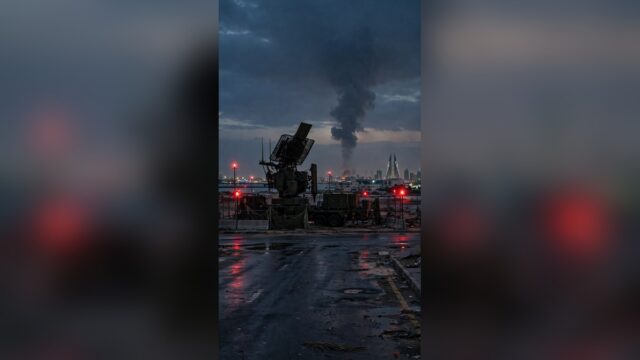
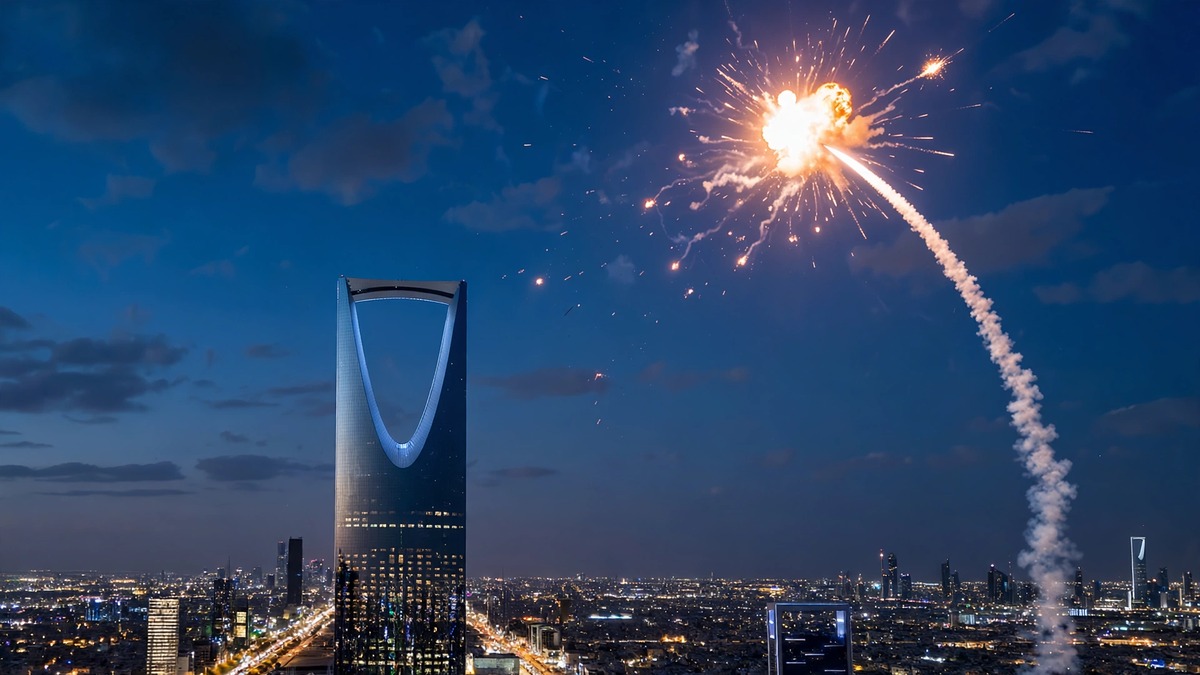
Saudi Arabia’s air defences shot down a Houthi cruise missile targeting the Riyadh region on Saturday, the Saudi-led coalition said. Spokesman Major General Turki al-Maliki announced the interception in a post on social media, writing: “Air defenses intercepted and destroyed a cruise missile launched by the terrorist Houthi militia toward the Riyadh region.”
The statement gave no operational details. It did not say where the missile was intercepted, what it was aiming at inside the wider Riyadh area, or whether it caused any damage. No information about possible casualties was provided.
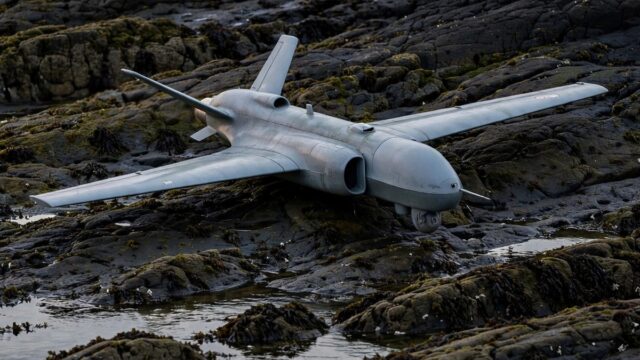
A drone was also intercepted and destroyed late on Friday, the coalition said, so the Saudi capital has now been targeted twice in about a day. The coalition blamed the Iran-aligned Houthis for the cruise missile. The group has not publicly claimed this launch; on Thursday, after the coalition said it had downed a missile heading for the Medina region, the Houthis denied targeting Medina, saying their operations were aimed at Saudi oil installations and military bases instead.
Saturday brought warnings as well as interceptions. Saudi civil defence issued a danger alert for Jizan city in the morning, telling residents to head to the nearest safe place, then said the danger had passed minutes later. A similar alert went out for Najran city in the afternoon, with residents urged to stay away from open areas, windows and balconies, and it too was lifted shortly afterwards.
Why it matters: the second front reaches the capital
The Riyadh interception takes the week’s campaign to the capital itself. Each day has brought a new target: a missile toward the Medina region and a drone in the Eastern Province on Thursday, two ballistic missiles toward Najran and a drone over the Mecca region on Friday, and now a cruise missile aimed at the capital itself. Yeni Safak called it one of the most significant threats to the Saudi capital in recent months.
The timing matters. It comes as both sides prepare for the possibility of renewed large-scale fighting. On Saturday, the US mission in the United Arab Emirates warned Americans across the Middle East to exercise heightened vigilance, citing an increased threat of armed attacks by the Iranian-supported Houthis and alleged Iranian efforts to target US government officials, and told citizens to prepare for possible flight cancellations, airspace closures and travel disruption. The US mission in Saudi Arabia issued a similar warning earlier.
Iran, meanwhile, has begun handing out iodine tablets to people living near its nuclear facilities, according to The Times of London, which quoted a health ministry official saying President Donald Trump could no longer be trusted and might “go through with this crime”. Reports have also raised the possibility of a US strike on the heavily fortified Pickaxe Mountain nuclear complex, and of renewed military action as early as Monday, though US Central Command has received no executive order authorising an attack and no decision has been confirmed. Washington has also offered a reward of up to $20 million for information about Iran’s nuclear programme.
The fighting inside Yemen is intensifying in parallel. Government forces say they carried out three air attacks on Houthi positions in the al-Misrakh district of Taiz governorate on Saturday, while the Houthi-run health ministry says 22 people, mostly women and children, were killed in air attacks in the Bani Hashish district. A separate deadly attack on a market in Taiz province is disputed: Houthi authorities blame Saudi aircraft, while government forces blame a Houthi missile. Neither account has been independently verified.
The sea is unsettled too. An oil tanker is on fire in the eastern Strait of Hormuz after hitting a mine in what Iran’s navy called a “prohibited” area, according to Iranian media, and the navy warned other vessels that this was “the fate of all ships and vessels that ignore warnings and travel in prohibited areas”. The vessel reportedly had its navigation systems switched off and had ignored warnings; no casualties have been reported. That account comes from Iranian sources alone and has not been independently confirmed. For the wider shipping picture, see our report on the surge in Hormuz attacks: https://worldpulsewire.com/2026/11/06/hormuz-attacks-surge-shipping-thins-out/
The pattern of the last two days is worth recalling. Friday’s drone over the Mecca region and the two missiles at Najran were covered here: https://worldpulsewire.com/2026/11/06/mecca-drone-intercepted/ and https://worldpulsewire.com/2026/11/06/saudi-downs-two-houthi-missiles-najran/ — and the week began with fresh strikes on Qeshm Island in the strait: https://worldpulsewire.com/2026/11/07/qeshm-island-missiles/
What happens next
Three questions now decide how far this goes. First, whether the Houthis claim the Riyadh launch or fire again — silence so far leaves the coalition’s attribution untested. Second, whether Saudi Arabia answers with heavier strikes inside Yemen, where its aircraft are already reported to be hitting Houthi positions. Third, whether the American warnings and the Iranian iodine distribution are precautions or the prelude to the renewed strikes President Trump has said he will decide on soon, with Qatari mediators still working for a deal in the meantime.
For now, the facts are narrow: a cruise missile was destroyed on its way to Riyadh, a drone was destroyed the night before, two cities were briefly put on alert, and no damage or casualties have been reported. What is not yet known — where the missile was stopped, what it was meant to hit, and whether more are coming — is exactly what the region is waiting to find out.
Sources: Arab News, Anadolu Agency, Kurdistan24, Al Jazeera, Siasat. Events: Saturday 7 November 2026, Riyadh, Saudi Arabia. First published: Saturday 7 November 2026. The interception, the attribution to the Houthis and the alerts are the coalition’s and the US missions’ accounts; no independent confirmation of damage or casualties has been published, and casualty figures from Yemen are claims by the parties involved and remain unverified.