Six days after congratulating Democrats on their midterm victories and telling reporters he was willing to accept the results, Donald Trump has declared the election a fraud — offering no evidence and drawing no support from election officials.
Key Points
- On Monday, Trump posted on Truth Social that the midterm election was not honest, blaming early-voting “dumps” and voting machines — without presenting any evidence.
- Six days earlier, on election night, he had told The New York Times he was “absolutely willing to accept those results” and congratulated Democrats on their wins.
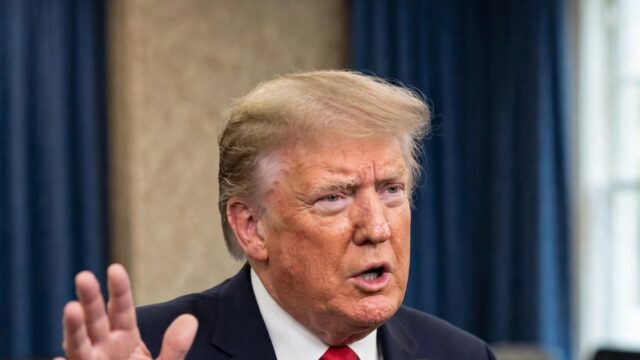
- The reversal was not his first fraud claim since the vote: on Thursday, in the Oval Office, he had already alleged fraud “on a scale people could not imagine” and demanded Alaska votes be transferred to the real Dan Sullivan.
- Senate Democratic leader Chuck Schumer called the new claim “pathetic” and said Trump could “whine all he wants” — the Democrats’ congressional majorities are not going anywhere.
- Even Megyn Kelly, a prominent Trump supporter in 2024, pushed back with two words: “Just stop.”
- Election officials have raised no major concerns about the vote, and the polls Trump mocked actually understated the Democratic margin, according to Pew Research Center.
What happened
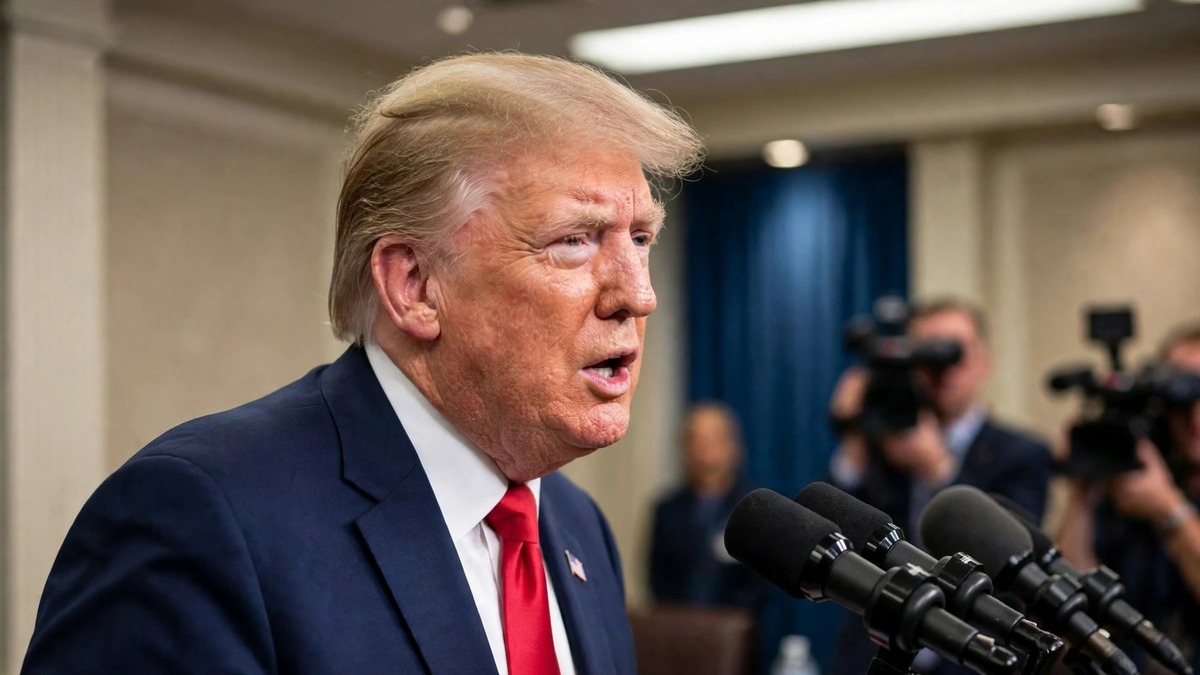
The post came on Monday, six days after the midterm vote that handed Democrats the largest House majority in nearly two decades and control of the Senate. Trump wrote on Truth Social: “Does anybody really believe that this ‘Election’ was honest. How could the Polls be so wrong??? Some early voting ‘dumps’ were so large that it was impossible to win, no matter how many people went to vote. It’s all about the machines, which are far more important than the voter!”
He offered no evidence for any of it. Asked at a briefing whether the election had been rigged, he said only: “I think the numbers were terrible in terms of those early votes.” Election officials across the country have raised no major concerns about how the vote was run.
The post was a sharp turn from election night. On 3 November, Trump told The New York Times: “I am absolutely willing to accept those results.” He congratulated Democrats in a call carried by CBS, told Fox News they had “done a good job”, and on Sunday’s 60 Minutes he appeared to accept the outcome. The concession lasted less than a week.
It was also not quite the first time he had cried fraud since the midterms. On Thursday 5 November, in the Oval Office, he had already alleged fraud “on a scale people could not imagine” and demanded that Alaska votes cast for a second candidate named Sullivan be handed to the real Dan Sullivan. Monday’s post went further — casting doubt on the whole election nationwide, rather than one state’s count.
Why the fraud claim matters
The claim matters because of what it says about the loser, not the election. The results themselves are not in doubt: Democrats won the biggest House majority in nearly two decades and took the Senate, and no official has flagged a problem with the count.
Trump’s own numbers undercut him. He attacked the polls for being wrong, but the Pew Research Center found the polls actually understated the Democratic margin by at least two points in 23 of 27 governor and Senate races. The polls were wrong in the other direction — they were too kind to his party.
The Alaska example he leaned on falls apart on its own facts. Trump said Democrats “stole” the state through a second Sullivan — Daniel J. Sullivan Jr., a little-known candidate who took 3,600 votes. The actual race has Democrat Mary Peltola leading Republican Dan Sullivan by 637 votes, less than one point, with the ranked-choice tally not starting until 18 November. Nothing has been decided, and nobody has shown a single vote was miscounted.
The reaction was swift, and it did not come only from his opponents. Schumer, the Senate Democratic leader, said: “Donald Trump’s pathetic return to election denialism was inevitable.” He added: “He can whine all he wants, but nothing will stop this inescapable truth: For the last two years of his presidency, Trump will face the largest Democratic congressional majorities in decades, all because he has been an unprecedented failure.”
Then came the rebuke that stung most. Megyn Kelly, who backed Trump in 2024, answered the post with two words on X: “Just stop.” CNN’s Jake Tapper mocked the Texas angle of the claim, noting that Republican Governor Greg Abbott and Attorney General Ken Paxton had also “lost” under Trump’s logic.
What happens next
Nothing in the claim is going anywhere. There is no legal challenge attached to it, no official inquiry, and no evidence to investigate. The vote counts stand, the ranked-choice tally in Alaska begins on 18 November, and the new Democratic majorities take their seats in January.
What the episode leaves behind is the record of a concession that lasted six days. Trump congratulated the winners, said he would accept the results, appeared to accept them again on 60 Minutes — and then called the whole election a fraud anyway. The fraud claim is not about the machines. It is about a man who cannot sit with losing, and the week it took him to prove it.
Sources: Al Jazeera, USA Today, AFP, Times of Israel, Korea Times, The Wrap, Pew Research Center | 10 November 2026