New York City Mayor Zohran Mamdani has disbanded the NYPD’s controversial Strategic Response Group, the 500-strong unit long accused of using excessive force against protesters.
The move keeps a central promise from his 2025 campaign for mayor. It also ends months of pressure from his own supporters, who said he had waited too long to act. Protests are no longer the SRG’s job, and the city has banned several forceful crowd tactics. But critics say the change is closer to a rebrand than a real ending, because the unit’s work will go on under other names.
Key Points
- Mamdani announced on Monday that the NYPD’s Strategic Response Group is disbanded, keeping a 2025 campaign promise.
- The SRG is out of protest policing for good. Its counterterrorism work moves to the NYPD’s Intelligence and Counterterrorism Bureau.
- A new unarmed civilian team will lead the protest response, backed by a 30-officer First Amendment Support Team.
- At protests, officers may no longer use kettling, tear gas, long guns or pepper spray to manage crowds.
- Critics say the change is a rebrand, not a real disbanding, because the unit’s duties live on under other names.
What happened
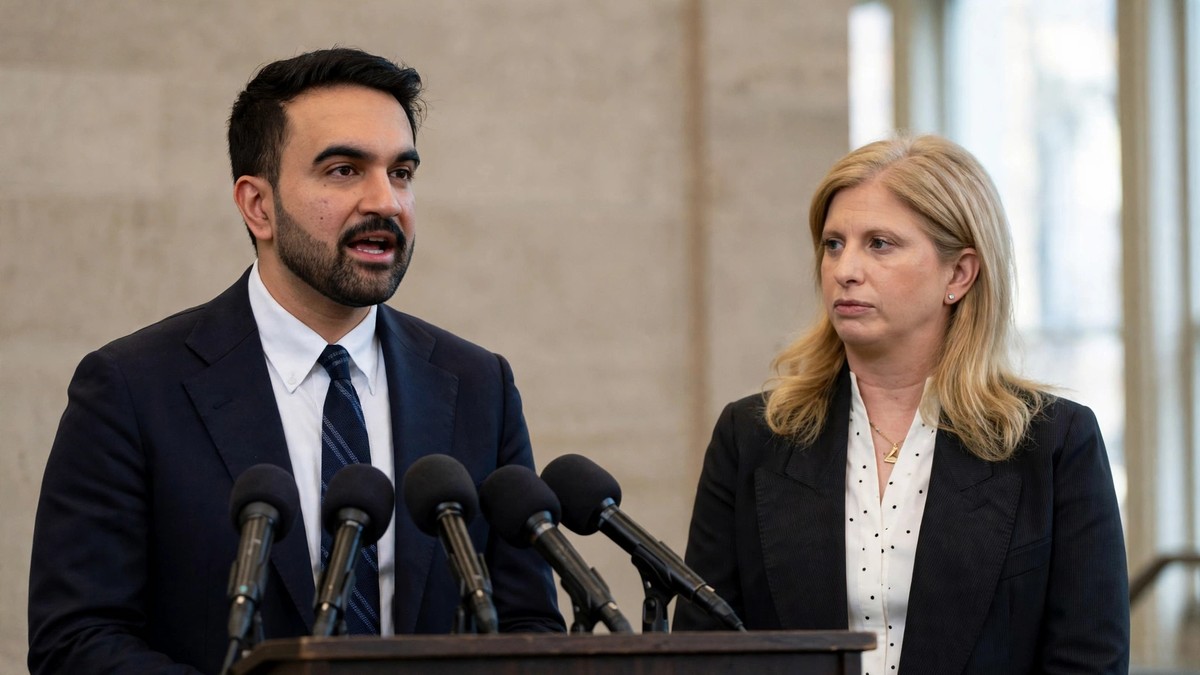
Mamdani announced the change on Monday in a video and a statement released with NYPD Commissioner Jessica Tisch. The Strategic Response Group, known as the SRG, was set up in 2015 to deal with terrorism threats. It grew into a unit of around 500 officers that was sent to protests again and again.
“During our campaign, I promised New Yorkers that we would disband the Strategic Response Group and separate counterterrorism from protest response, and today we are delivering on that promise,” Mamdani said.
Under the new setup, the SRG’s counterterrorism work, including heavy weapons at key sites, will sit inside the NYPD’s Intelligence and Counterterrorism Bureau. Protests will be handled differently. A civilian Community Dialogue and De-escalation Division, housed in the Mayor’s Office of Community Safety, will take charge. The team carries no weapons, holds no arrest powers, and will work alongside officers from the police department’s Community Affairs Bureau.
Two new police teams will back it up. A 30-officer First Amendment Support Team, trained in talking and calming crowds, will prepare for protests and respond to them. A Patrol Support Division inside the Patrol Services Bureau, staffed by vetted officers with special crowd training, will give support. Arrests at protests will happen only in rare cases, if they are needed, according to City Hall.
Mamdani also set new limits on tactics. Kettling, the practice of surrounding protesters and penning them in, is now banned. The same goes for long guns, tear gas and pepper spray used to manage crowds. Sound devices will be capped at 90 decibels, and officers may use bicycles as weapons only to stop death or injury.
Tisch backed the change. “I believe strongly that the NYPD must always be willing to examine how we operate and make improvements,” she said. She added that she would never support changes that weaken the department’s ability to protect New Yorkers.
Mamdani also threw his weight behind a City Council bill from Chi Ossé known as the CURB Act. The bill would write the change into law and stop a unit like the SRG from being built again under a future mayor. Ossé said the police headcount will stay the same.
Why it matters
The SRG has been a flashpoint for years. It faced its sharpest criticism during the Black Lives Matter protests of 2020, when demonstrators and civil rights groups accused its officers of heavy handed tactics. The city’s Department of Investigation later found that the police had used excessive force in breach of protesters’ First Amendment rights, and said the SRG had played a central role. The unit has also drawn a large number of complaints, lawsuits and costly settlements.
Its defenders, including police unions, say the opposite. They argue that the unit’s training makes it the best equipped to deal with demonstrations that turn violent, and that taking it away leaves officers short of the tools they need.
The timing reflects pressure from Mamdani’s own side. His supporters had grown impatient after he spent his first months in office without acting on the promise, and the calls grew louder after protests this fall over an ICE shooting in the Bronx. Congresswoman-elect Darializa Avila Chevalier, who attacked the administration over that protest, was among those pushing for the unit to go. The unrest sits against a wider backdrop of record deportations under the Trump administration. Mamdani had stayed vague on timing until now, and the plan had been in the works since January.
There is also doubt about how much will really change. People briefed on the plan told the New York Post it amounts to a rebrand, since the SRG’s duties will continue under other names. “This is not a disband, this a rebrand,” one city official said. The unit has handled fewer than 20 protest events this year and made around a dozen arrests, according to the same report, so the day to day difference at protests may be smaller than the announcement suggests.
Mamdani has shown a readiness to act fast on other fronts in his first year. After the Brooklyn building collapse, he ordered safety checks across the city.
What happens next
The new civilian team and the two police teams now have to be built and staffed. The announcement gave no start date for the civilian team. The CURB Act still has to pass the City Council before the change is locked into law, and police unions are likely to keep arguing that the city has weakened its protest response.
The first real test will come at the next large protest in the city. That is when New Yorkers will see whether the new approach works in practice, or whether the critics are right that little has changed.
Sources: CNN, AFP, New York Post, Wall Street Journal | 16 Nov 2026