France has accused Iran’s Revolutionary Guard of hacking supermarket refrigeration across the country, turning fridges up to 50 degrees and spoiling food at around 700 stores.
Key Points
- France says the IRGC’s Shahid Kaveh cyber unit pushed fridge temperatures to 50 degrees Celsius at about 700 stores on 11-12 October, spoiling food worth millions of euros.
- At least 15 fires broke out as overheated refrigeration units caught light or melted.
- Paris has summoned Iran’s ambassador, opened a criminal investigation and will seek EU sanctions; arrest warrants are sought for three named men.
- A second wave of similar fridge hacks hit five more European countries on 2 November; investigators have not confirmed a link to the French attacks.
- Iran has not formally responded; Tehran routinely denies running cyber operations.
What happened
In the early hours of 11 and 12 October, hackers took over the remote temperature controls used by French supermarkets and pushed refrigerator and freezer temperatures to 50 degrees Celsius (122 Fahrenheit) for about six hours while the shops were closed. The stock inside — fresh meat, dairy and frozen food — spoiled. In at least 15 places, the overheated units caught fire or melted. Around 700 commercial sites were hit: mostly supermarkets, but also butchers, a slaughterhouse and food-processing plants.
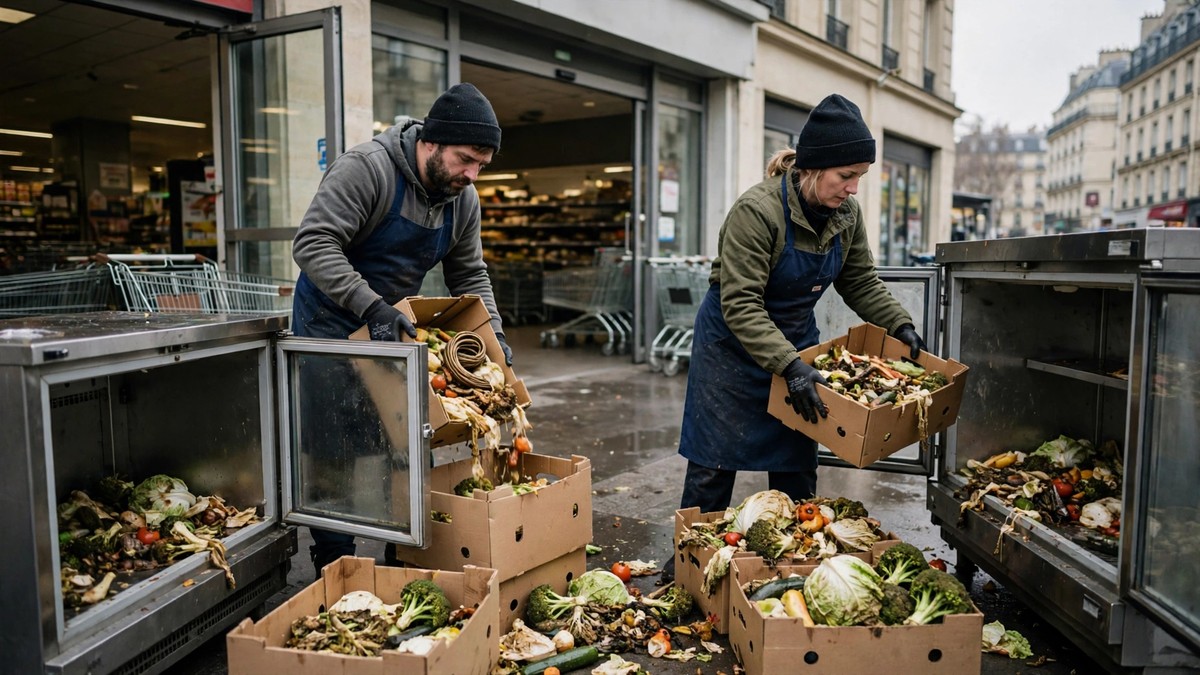
Every big French chain was affected — E-Leclerc, Intermarche, Carrefour, Monoprix and Cooperative U. Intermarche said more than 300 of its stores were hit, Cooperative U put its figure at over 100, and Carrefour said 80 of its supermarkets were affected. Intermarche reported losses of tens of millions of euros in a single day. Boxes of spoiled food were piled outside stores across Paris in the days that followed.
The attackers got in through refrigeration software supplied by Danish engineering firm Danfoss, which lets retailers manage their cold units from a distance. The firm behind many of the stricken units had said several were obsolete or running outdated firmware, which experts said could have made them easy to break into.
Why France points at Iran
On Monday 9 November, Foreign Minister Jean-Noel Barrot told reporters in Paris that France could confirm the Islamic Revolutionary Guard Corps carried out the attack. He called it “unprecedented in its scale and level of aggression” and “the first large-scale cyberattack carried out for sabotage purposes on French soil”. He said it was “a major attack on the nation’s interests and on the security of the French people” and warned: “That is why it will not go unanswered.”
France’s national cybersecurity agency, ANSSI, attributed the operation to Shahid Kaveh, described as an offensive cyber unit attached to the Guard’s electronic and cyber centre. Investigators say the attackers left traces of the Farsi language in the attack setup and used internet addresses tied to devices in Iran, and that the pattern matched the group’s earlier operations. Paris prosecutor Laure Beccuau opened a formal judicial investigation on Monday into the unit’s leader and two deputies — named in the French intelligence report as Hamid Reza Lashgarian, Mahdi Lashgarian and Reza Salarvand — and has asked for international arrest warrants for all three.
France has not published the full technical evidence behind the attribution. CBC reported that Microsoft had privately connected Iran to the October attacks at least two weeks before the public announcement.
Why it matters
The attack ranks among the most disruptive cyber operations of the Iran war that began in February, and it is the first time Paris has publicly blamed Tehran for large-scale sabotage on French soil. US strikes on Iran’s Qeshm Island
It also shows how an ordinary piece of infrastructure can become a target: the hackers did not break into a military system but into the commercial software that keeps food cold. The damage was measured in spoiled food, closed shops and fires — not in casualties, but in a direct hit on daily life.
And the story may not be over. On 2 November, similar overnight temperature spikes were recorded in Belgium, Estonia, Ireland, Luxembourg and Sweden, hitting dozens of stores and a food distribution hub. More than 100 establishments across Europe were affected in that second wave, including refrigerators used by French blood banks. Investigators have not confirmed whether it is connected to the French attacks.
What happens next
France summoned Iran’s ambassador to lodge a formal protest, and Barrot said Paris will seek sanctions at European level against those responsible, along with “any other measures that are proportionate and necessary”. The criminal investigation will run alongside the diplomacy, with arrest warrants sought for the three named men.
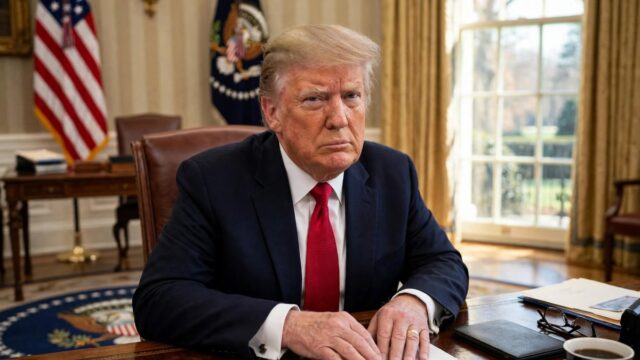
The accusation comes days after Trump said the Iran war was “effectively over”, while keeping US forces in the region and the blockade in place. Trump says Iran war is effectively over
Iran has not issued a formal response to the accusation. Iranian media have dismissed it as baseless, and Tehran routinely denies carrying out cyber operations. The next test is the European response — and whether the November wave in other countries is tied to the same group. Iran lifts missile range limit
Sources: Reuters, Associated Press, Al Jazeera, BBC, CNN. Published 10 November 2026. Note: the attribution is France’s claim; Iran has not confirmed any involvement.