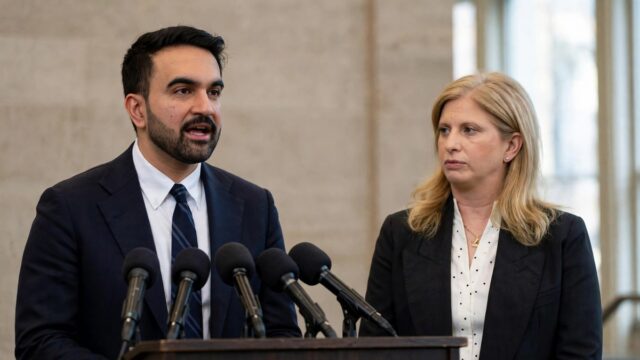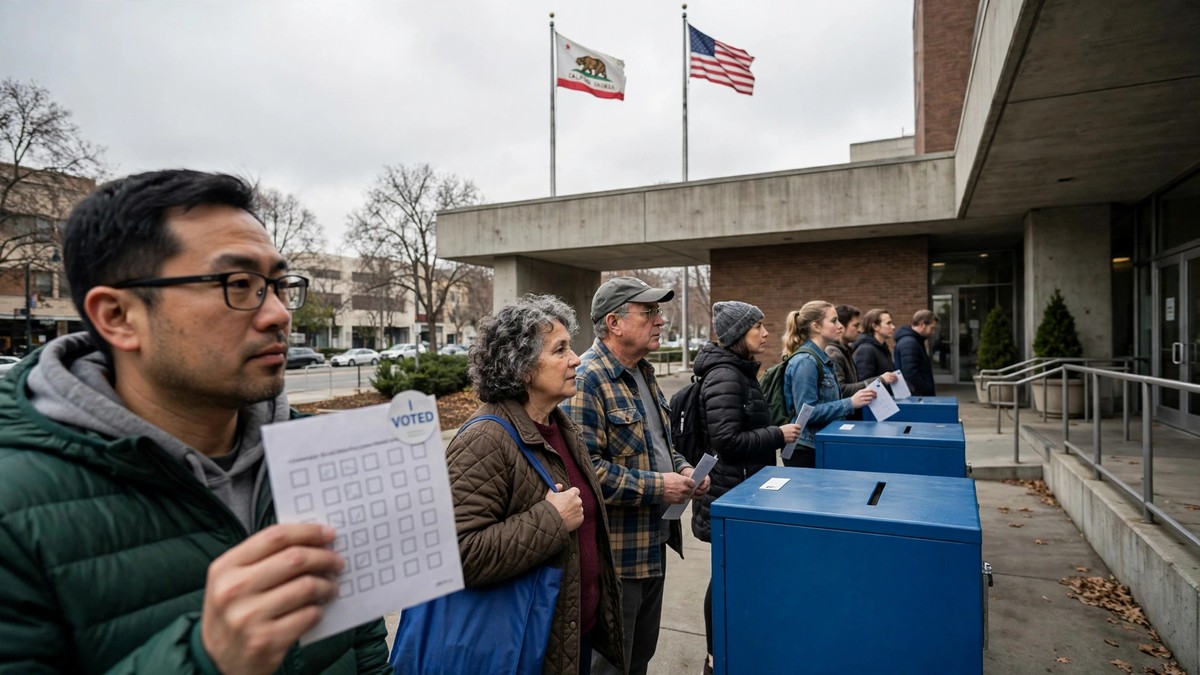
California voters have rejected Proposition 40, a one-time 5% tax on the state’s billionaires, with 52.8% voting no in a result called by the Associated Press late on Monday.
Key Points
- California voters rejected Proposition 40, a one-time 5% tax on residents worth more than $1 billion, with 52.8% voting no against 47.2% in favour at 83% of ballots counted.
- The Associated Press called the race late on Monday 9 November, six days after the vote on 3 November.
- Supporters, led by the SEIU healthcare workers’ union, said the tax would raise about $100 billion over five years, mostly for healthcare.
- Opponents, led by Google co-founder Sergey Brin, raised $379 million — more than ten times the supporters’ total — and spent over 250 times as much on advertising.
- A rival measure, Proposition 42, which would ban retroactive wealth taxes, was leading with 51.6% but had not yet been called.
What happened
California voters have said no to the first modern wealth tax ever put to voters in the United States. It targeted anyone living in California on 1 January 2026 whose net worth topped $1 billion by 31 December — a one-time 5% charge on their assets. Anyone caught by the tax would have had to pay in 2027, though they could have chosen to pay in instalments over five years for a higher total.
Late on Monday, with 83% of ballots counted, the Associated Press declared the “no” side the winner — 52.8% to 47.2%, a lead of about 5.6 points it judged impossible to overturn.
The measure was designed by the French-American economists Gabriel Zucman and Emmanuel Saez and put on the ballot by the Service Employees International Union-United Healthcare Workers West, the healthcare workers’ union. Its backers estimated it would raise about $100 billion over five years. Nine-tenths of the money was earmarked for health services; schools, food aid and the cost of running the tax would have shared the rest.
Its argument was simple: federal health funding had been cut while the rich got tax breaks, so the state’s wealthiest should cover the difference. Estimates put the number of billionaires living in the state at over 200.
Polling had pointed the same way for weeks. Berkeley’s October survey had opposition at half of likely voters, two points higher than in August, while support sat at 42%. Another October poll, from the Public Policy Institute of California, showed the same split in outline — 52% against, 46% for.
Why the billionaire tax failed
Money was the first reason. Opponents raised $379 million to defeat the measure, more than ten times what supporters raised. Brin, the Google co-founder, put in over $102 million himself. On advertising alone, the group Brin bankrolled spent more than 250 times what the tax’s supporters could afford, The Washington Post reported. The union behind the measure, meanwhile, had put just over $30 million into the campaign to pass it. 2027 tax brackets and standard deduction
The second reason was division inside the Democratic Party. California’s Democratic Party backed the measure, and Rep. Ro Khanna and Sen. Bernie Sanders travelled to the state to campaign for it. But Gov. Gavin Newsom was against it, arguing that taxing the wealthy made sense only as a national policy, not a state-by-state one, and Xavier Becerra, the Democrat elected governor on the same day, opposed it too. Teachers’ leaders also opposed it — they pointed out that schools would have seen only a small slice of the proceeds. Newsom commutes all 548 California death sentences
The other side warned that the rich would simply leave, taking their tax money with them and hurting the state’s economy — an argument that landed even in the state’s richest places. The big coastal cities backed it — San Francisco and Los Angeles both voted yes — while Silicon Valley’s counties, home to many of the billionaires themselves, voted no.
Brin went further than campaigning against the tax. He funded two rival measures designed to block it: Proposition 41, which failed, and Proposition 42, which would block new state taxes on personal property and outlaw retroactive levies. Proposition 42 was leading with 51.6% of the vote at 83% counted, though the Associated Press had not yet called it. If it passes, it would close the door on any repeat attempt through the same route.
For the campaign behind the tax, the loss stings: California was supposed to show the rest of the country — and the world — how taxing wealth could work. America has never tried a modern tax of this kind: almost every individual tax in the country is charged on income, not on what a person owns.
What happens next
The union is not giving up. The union’s president, Dave Regan, says the idea will be back before voters in 2028 unless Sacramento finds another answer to the health funding gap first.
The wider fight is moving to Washington. Khanna has already filed a bill in Congress for a yearly 5% federal levy on billionaire wealth, and says he will keep pushing it. But the California result will weigh on that campaign: Oxfam America’s Nabil Ahmed, a supporter, called the vote “an expected loss on Round 1” of a longer campaign, and losing in a state seen as a bastion of progressive policymaking signals trouble for similar proposals at the federal level. Congress returns for lame-duck session
For California’s next governor, the result leaves a budget problem. The Wall Street Journal reported that Becerra takes office facing a major gap in state finances, with the federal healthcare cuts looming and the $100 billion the tax might have raised now off the table.
The final count is still to come, and the state must still certify the 3 November election — but the verdict on Proposition 40 is settled: California’s voters rejected the billionaire tax.
Sources: AP, NPR, Le Monde, The Wall Street Journal, Reason, The Washington Post. Published 10 November 2026.