Donald Trump has said his deportation crackdown may have gone too far, conceding in his first interview since the midterm elections that removing settled workers with jobs cost Republicans votes.
Key Points
- Trump told CBS News’ 60 Minutes on Sunday that his deportation policy “might be too tough”, and said the removal of settled workers hurt Republicans in the midterms.
- He gave himself top marks for closing the border and removing criminals, but said removing people who had lived in the country for ten years or more, with good jobs and no serious crimes, went too far.
- He said he could reach an immigration deal with the new Democratic Congress, but gave no details of what it would look like.
- Enforcement has not eased: immigration officers have been told to aim for about 19,000 arrests a week, and no order to slow down has been given.
- Exit polls found 58 per cent of voters thought the administration’s immigration actions had gone too far.
Donald Trump has said his deportation crackdown may have gone too far, conceding in his first interview since the midterm elections that removing settled workers with jobs cost Republicans votes.
What Trump said about deportation on 60 Minutes
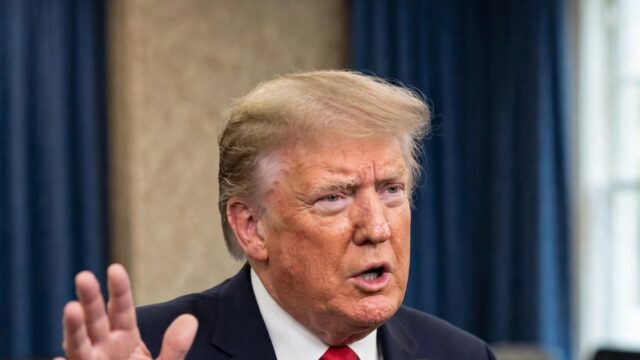
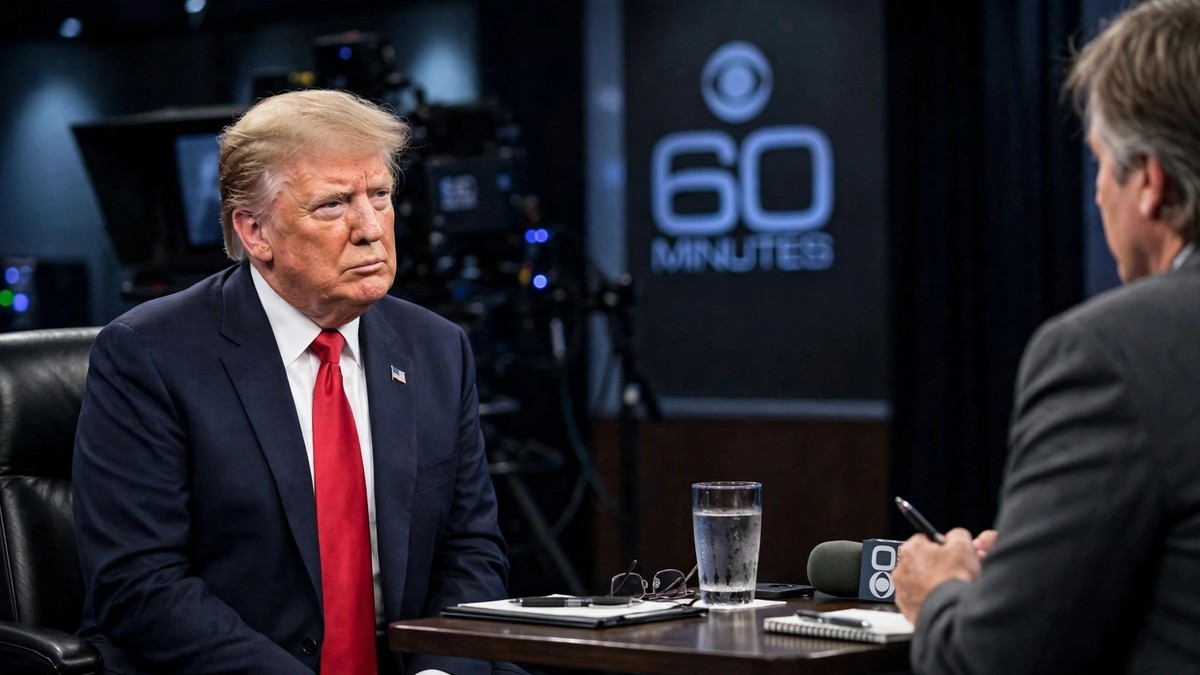
In the interview, which aired on Sunday evening and was conducted by CBS correspondent Ross Douthat, Trump was asked whether his deportation policy had gone too far. “I think it might be too tough, yeah,” he said. It was his first long sit-down interview since Republicans lost control of the House and Senate in the midterm elections on 3 November.
Trump said the crackdown had “both helped and hurt” his party at the polls. He gave himself an “A+” for closing the border and said he earned “very high marks for getting the bad ones out”. But he added: “I get hurt because we also took people that had good jobs, that created one violation, or breaking of the law, and that was that they came into the country illegally.”
He gave the example of a woman working in a hotel as a maid, cleaner or waitress, suddenly taken out of the country. “A lot of people would say that it’s great, but a lot of people think it’s too tough,” he said. He named Iran and bad messaging as the main reasons for the Republican losses, but said voters “didn’t like the war” and added that the main reason was that he himself was not on the ballot.
The president also said he believed he could work with Democrats on immigration once they take control of Congress in January. “The deal would be we would work something out. And I think it’s something — I think that’s something that’s actually doable,” he said. He did not say what the deal would cover, and he made clear that people he described as “killers” and “drug dealers” in the country illegally should still be deported. He suggested he was open to an arrangement that would let others stay.
The interview was recorded on Friday, shortly before Trump named Stephen Miller, the architect of his hard-line immigration agenda, as his new White House chief of staff. Miller starts in the job on Monday.
Why the deportation admission matters
The admission is striking because mass deportation was the centrepiece of Trump’s return to office. Large enforcement operations in several cities pushed arrests sharply higher, and two US citizens, Renee Good and Alex Pretti, were killed by federal officers during protests against the operations. Democrats have said oversight of Immigration and Customs Enforcement and the Department of Homeland Security will be a priority for the new Congress.
The politics have moved against the crackdown. CBS News exit polling found that 58 per cent of voters across the country believed the administration’s immigration actions had gone too far, and an Associated Press survey of more than 100,000 voters found about six in ten saying the same. The shift was sharpest among Latino voters, many of whom moved back to the Democrats.
Nothing has changed on the ground yet. US officials told CBS News that the Department of Homeland Security and Immigration and Customs Enforcement had received no instructions to reduce enforcement after the elections. Agency sources cited by the network said officers had been told in recent weeks to aim for about 19,000 arrests a week, or roughly 2,700 a day, up from an earlier target of about 2,000 a day.
The interview also touched on the blame for the midterm defeat. Vice President JD Vance wrote last week that the Iran war was to blame for the Republican losses, a view Trump had earlier sounded mostly supportive of. Trump told reporters on Sunday that “a lot of people didn’t like his comments”. Senate Democratic leader Chuck Schumer mocked the deportation admission on social media after the interview aired.
Trump also used the interview to float the idea that he might not endorse a Republican successor ahead of the 2028 election, and said he had no intention of forgiving his political enemies. The interview ended with a back-and-forth over whether he could ever forgive those he sees as enemies, even before his final judgement before God.
What happens next
Democrats take control of Congress in January, and immigration will be one of the first tests of whether the two sides can deal with each other. Trump has said a deal is “actually doable”, but he has offered no plan, and his new chief of staff is the man who designed the crackdown he now says went too far.
The Hegseth impeachment vote expected in the House this week will show how far the new Democratic majority is willing to go. Trump defended his defence secretary in the same interview, ahead of the vote. For now, the deportation machine keeps running at full speed, and the question is whether the president’s words mark a real change of direction or only a change of tone.
Sources: CBS News, CNN, The Guardian, BBC, The Wall Street Journal, Korea Herald — 9 November 2026. The figure of about 19,000 arrests a week comes from agency sources cited by CBS News and has not been confirmed by any outside source.