Key Points
- Donald Trump said JD Vance’s claim that the Iran war cost Republicans the midterms was “largely true”.
- Trump told reporters on 4 November that Vance’s post was “fine” and “good”, and that he has long known the vice president’s views.
- But Trump said he would do nothing different in Iran: “If I had to do it again, I’d have to do it again.”
- Vance had written on X that “the reason we lost is the war”, saying 2024 Trump voters switched sides.
- Trump ruled out sacking Defence Secretary Pete Hegseth and said the war would end “whenever I want it to”.
Donald Trump said on 4 November 2026 that JD Vance was “largely true” to blame the Iran war for the Republicans’ midterm losses, but insisted he would do it all again and change nothing.
What happened: Trump responds to Vance
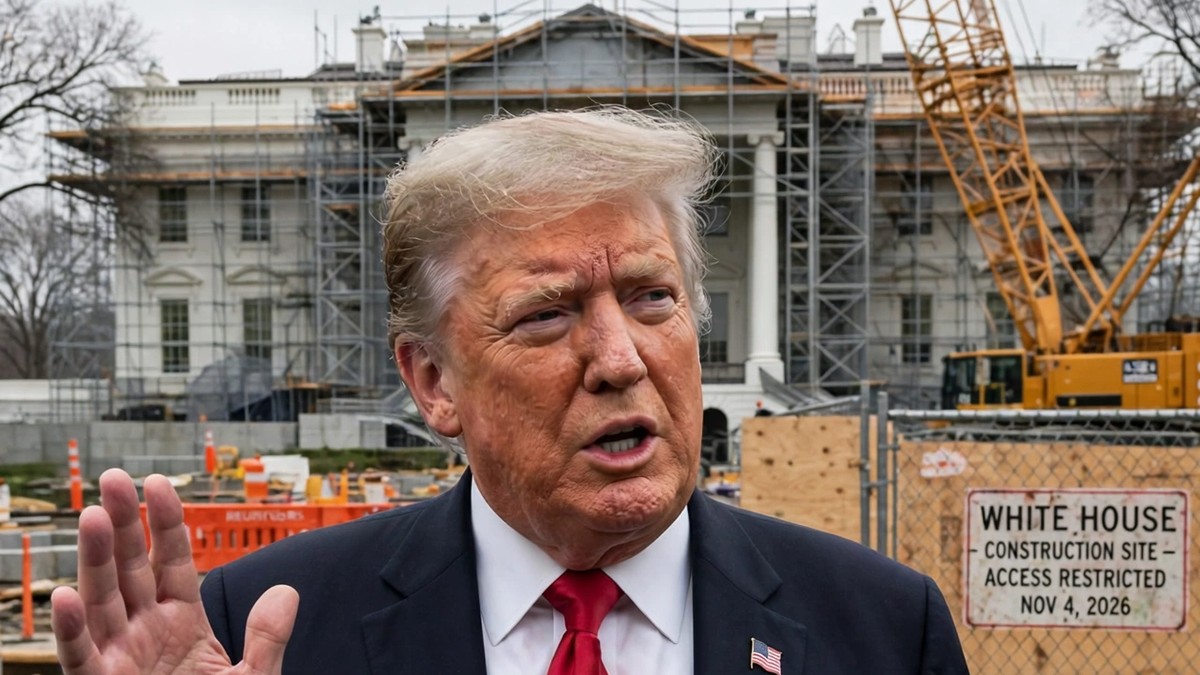
A day after Vice President JD Vance publicly blamed the Iran war for the Republicans’ heavy midterm losses, President Donald Trump answered him — and partly agreed. Asked by reporters on Wednesday, 4 November, while touring the White House ballroom construction site, Trump said of Vance’s post: “I know how he feels about it, I think it was fine.” He added: “I thought it was good.”
Trump then went further, accepting the core of Vance’s argument. “I think it’s largely true because it drove the gasoline up a little bit short term,” he told reporters, referring to the war’s effect on fuel prices and voters’ pockets. It was an unusually open concession from a president who had spent the election night defending the war, and it came less than a day after his party lost control of both the House and the Senate.
But Trump drew a firm line on the decision itself. “I would have done nothing different in Iran,” he said, and added: “If I had to do it again, I’d have to do it again, because long term, it’s the only answer. You can’t let Iran have a nuclear weapon.” He also said the war would end on his terms: “The war will end whenever I want it to. But it’s got to be done right.”
Vance’s original post, published on X on 4 November, was blunt. “The reason we lost is the war,” he wrote, arguing that voters who backed Trump in 2024 had shown up to vote but switched to Democrats. He said he had spoken to a pollster who asked those voters what would bring them back, and the top four answers were: end the war, focus on the cost of living and inflation, put America First, and change the relationship with Israel. Vance added a challenge of his own: “If you’d like to argue it was worth it, that losing the Senate for the next six years was worth it, then do so.”
The post was retweeted by Donald Trump Jr., who wrote: “Every word of this is 100% 100% 100%.”
Why it matters
The exchange matters because it is the first public split at the top of the administration over a war the president launched and still defends. Vance, who was tapped by Trump to lead peace negotiations with Iran, is widely seen as a leading contender for the Republican presidential nomination in 2028, and his post was read in Washington as a bid to distance himself from the war’s political cost while keeping his options open. Trump, asked whether Vance might run for president, shrugged: “Maybe he won’t run. I don’t know who’s going to run.”
It also matters because Trump refused to give ground on the people running the war. Asked whether he would sack Defence Secretary Pete Hegseth, a staunch supporter of military action against Iran, Trump said: “No, I think he’s doing a very good job.” That answer, combined with his insistence that he would do it all again, signals that the war policy itself is not changing, even as the president concedes it cost his party the election.
The timing adds weight. Democrats took both chambers of Congress on 3 November in a sweeping midterm result, and Vance’s argument is that the war — and the fuel prices it pushed up — was the decisive factor. Trump has now accepted that the war drove petrol prices up and cost votes, while still arguing the price was worth paying to stop Iran getting a nuclear weapon. That leaves the administration publicly divided on the war’s value, even as it agrees on the war’s cost.
What happens next
The immediate question is whether Vance pushes the split further or lets the matter rest. His post was unusually direct for a vice president, and the White House has not tried to walk it back — Trump himself called it “good”. If Vance keeps pressing for an end to the war, the tension with a president who says he would do it again will be hard to hide.
The bigger decision is Trump’s. US officials have told reporters he is still weighing whether to restart major combat operations against Iran after the midterms, a step some advisers are pushing and others are urging him to avoid. His comments on Wednesday — that the war ends “whenever I want it to” — keep that option open while giving no date and no detail.
For now, the split is public, the policy is unchanged, and both men are watching the same audience: the voters who switched sides on Tuesday, and who Vance says want the war ended, prices brought down, and America put first.
Sources: The Wall Street Journal (original report, 5 November 2026) and Al Jazeera (independent live coverage, 5 November 2026), with corroboration from The Times of Israel and Haaretz. Facts verified against the original report and one independent source. Image is AI-recreated, not the original photograph.