Key Points
- At least 30 people were killed and eight wounded when strikes hit a crowded market in Yemen’s Taiz province on Friday morning.
- The Houthis blamed Saudi warplanes for three strikes on al-Hadara market; Yemen’s government forces said a Houthi ballistic missile caused the blast.
- Neither side’s account has been independently verified, and the Saudi-led coalition has not responded to the claims.
- The attack is one of the deadliest since fighting between the Houthis and Saudi-backed government forces flared again in July.
- Taiz city is under a Houthi siege, and aid agencies say more than 800,000 people in Taiz and nearby coastal areas have been left beyond the reach of food assistance.
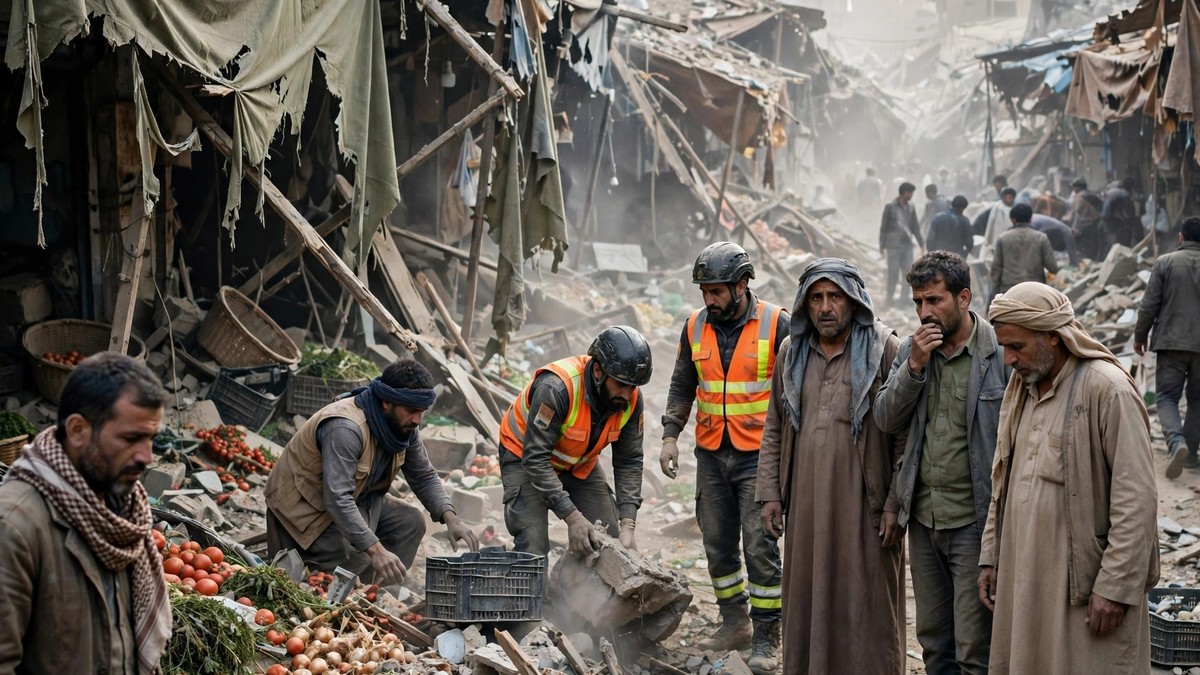
At least 30 people were killed when strikes hit a crowded market in Yemen’s Taiz province on Friday, in one of the deadliest attacks since fighting resumed.
What happened
Three strikes hit al-Hadara market in the al-Waziyah district of Taiz province at about 7am on Friday, when the stalls were packed with morning shoppers. Yemen’s Houthi-run health ministry said at least 30 people were killed and eight wounded, and warned the toll could rise as rescue teams kept searching through the rubble.
The two sides in Yemen’s war gave sharply different accounts of what happened. Houthi military spokesman Yahya Saree said Saudi warplanes carried out three strikes on the market, claiming the jets had taken off from the Khamis Mushait air base in southern Saudi Arabia. The Houthi-run health ministry in Sanaa called the attack a horrific crime and demanded an independent international investigation.
Yemen’s government forces rejected that version outright. Their spokesman, Colonel Majed al-Nazili, said the Houthis themselves had fired a ballistic missile into the market, and called the attack a war crime. Local authorities in Taiz said no military aircraft had carried out strikes in al-Waziyah on Friday and asked for an independent examination of the evidence from the scene.
The Associated Press and Al Jazeera both said they could not independently verify either side’s account. Saudi Arabia’s information ministry had not responded to requests for comment, and the Saudi-led coalition had issued no statement on the market attack.
Why the Yemen market attack matters
If the toll is confirmed, the market attack would rank among the deadliest single incidents since Yemen slipped back into open war in July, when a long truce collapsed and fighting resumed between the Iran-backed Houthis and the Saudi-backed government. The Houthis launched a major offensive in September, and Taiz has seen some of the heaviest fighting in the country.
The blame game matters because each side has accused the other of striking civilians before. In late September, a separate market strike in Taiz killed seven people and wounded 40, with the Houthis blaming coalition jets and government sources saying the area held a Houthi military position. Attribution of civilian deaths in the province has been disputed again and again, and no independent body has settled this latest case.
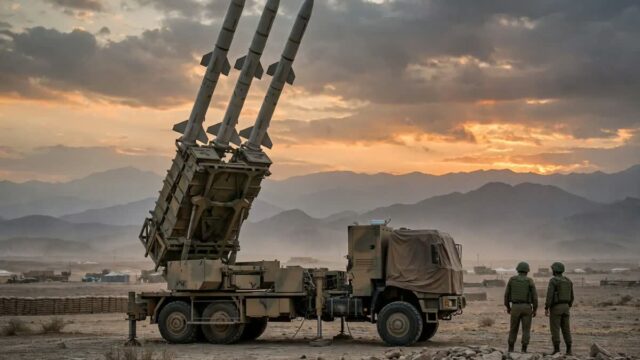
The attack also lands in the middle of a widening regional confrontation. Just a day earlier, the United States confirmed fresh strikes on Iran, hitting an air defence system on Qeshm Island. On Friday, the Saudi-led coalition said it had intercepted a drone near Mecca, Islam’s holiest city, and a day earlier it reported intercepting a Houthi missile around Medina, another holy city — a claim the Houthis dismissed as slander. The Houthis have claimed repeated strikes on Saudi airports, oil sites and military bases, while denying that they target the holy cities. Washington, meanwhile, is still divided over the wider regional war.
For the people of Taiz, the market attack adds to a humanitarian crisis that was already severe. The Houthis have squeezed Taiz city ever tighter, sealing the main roads in and choking off the flow of food, fuel, water and medicine. Last month the UN World Food Programme said the worsening combat had left over 800,000 people in Taiz and nearby coastal areas beyond the reach of food aid, while the United Nations said Taiz’s hospitals were near collapse, with oxygen and fuel running so low that hundreds of patients were in danger.
What happens next
Both sides are now demanding an independent investigation, but into opposite conclusions — the Houthis want an international inquiry into what they call systematic targeting of civilians, while the Taiz authorities want the evidence at the scene examined to show no airstrike took place. Neither investigation has begun, and no neutral body has yet announced plans to examine the site.
Fighting around Taiz is continuing. Yemen’s army said its forces had taken back ground in the governorate on Friday — the villages of al-Nidani and Shaab al-Sarari, much of the Sanamat area, and Ribat al-Qarn in Dhi al-Barh. The army said the market attack would strengthen its determination to keep up Operation Dawn of Yemen, its campaign against the Houthis.
The casualty toll is still preliminary. Rescue teams were still searching the rubble on Friday, and health officials have said the number of dead could rise. Until an independent account emerges, the central question — who fired on a crowded market — remains unanswered, and the families of the dead have no official finding to point to.
Source: Associated Press, Al Jazeera, Arab News, CGTN | 7 November 2026