Key Points
- Ted Cruz predicts two years of subpoenas and investigations of Donald Trump, his family and his Cabinet after the Democrats’ Congress sweep.
- Cruz says the House will impeach Trump if Democrats hold it, and may do so multiple times.
- Trump dismissed the warning on Wednesday, saying he is not worried and does not think he will be impeached.
- Cruz also predicted a lame-duck impeachment of Defence Secretary Pete Hegseth before the new Congress is sworn in.
- Democratic leaders have not committed to impeachment, and a House vote alone cannot remove a president.
Senator Ted Cruz has warned that a Democratic House would pursue relentless impeachment of Donald Trump, predicting two years of subpoenas, investigations and repeated impeachment votes after the 3 November midterm sweep.
What happened
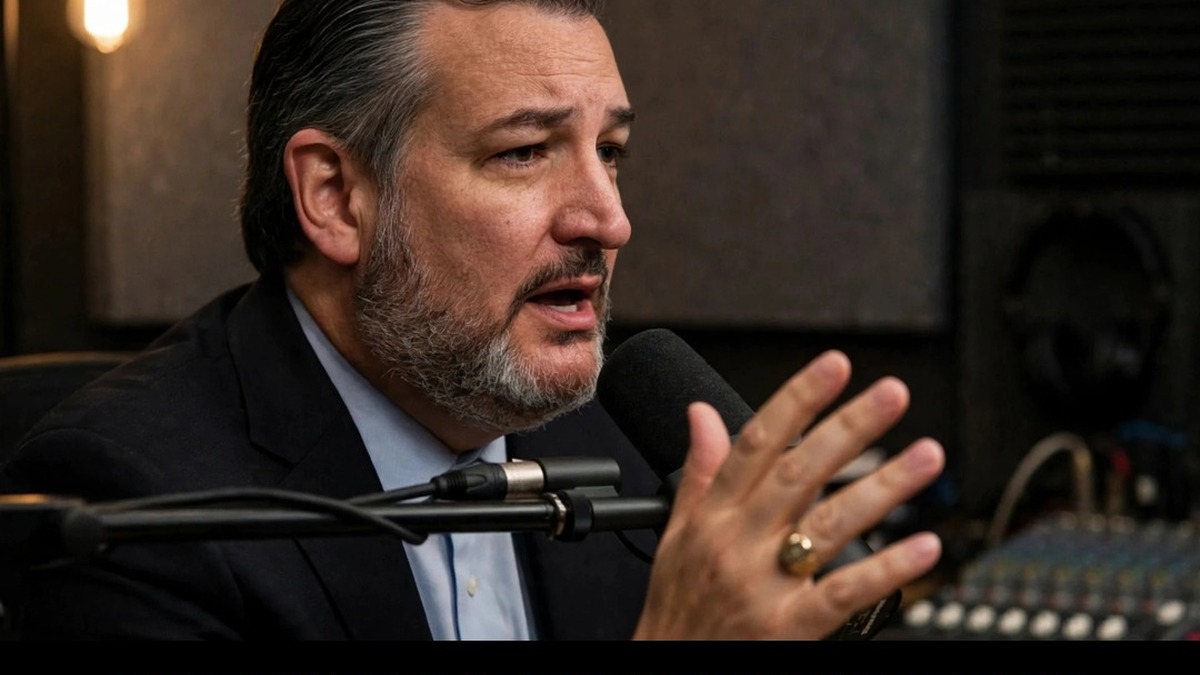
Speaking on the Polymarket All In podcast after Democrats swept both chambers of Congress on 3 November, the Texas Republican set out what he expects from the next two years. Cruz said the new majority would turn its attention to Trump, his family and his Cabinet, using subpoenas and investigations as its main tools.
Then came the warning that framed the whole discussion. “I think we will also see two years of relentless impeachment. I believe the House will impeach Donald Trump if they have the House. They may impeach him multiple times,” Cruz said.
The remarks landed a day after a midterm result that reshaped Washington. Democrats took control of Congress in an election widely read as a rebuke of the president, and the win has already changed the conversation about what the next two years will look like. Cruz’s warning gave that conversation its sharpest form yet: not a single impeachment fight, but a rolling one.
Trump brushed the prediction aside on Wednesday. “I’m not worried. I don’t think they’re going to impeach me,” he said, dismissing the idea that the new House would move against him.
Why Cruz’s warning matters
Cruz’s warning matters because it comes from inside Trump’s own party, not from his opponents. A Republican senator publicly sketching out an impeachment-heavy future signals how seriously Washington now takes the prospect of a hostile House — and how little room the White House may have to set its own agenda.
Impeachment is also a weapon with a long fuse. A House vote alone cannot remove a president; conviction in the Senate, by a two-thirds majority, is what ends a presidency. Cruz’s scenario therefore points to two years of political combat rather than a quick resolution — hearings, headlines and votes that could dominate the run-up to the next presidential election.
The prediction about Defence Secretary Pete Hegseth sharpens the point further. Cruz suggested the outgoing Congress could move against Hegseth in its lame-duck session, before the new members are even sworn in — a sign, in his telling, that the fight will start early and not wait for the new year.
What happens next
For now, the warning remains a prediction, not a plan. Democratic leaders have not committed to impeachment, and the party’s leadership has historically been cautious about opening a process that could backfire with voters. The first real test will be what the new House does in its opening weeks: whether it reaches for subpoenas and investigations first, or moves straight to the impeachment debate Cruz described.
Related midterm results underline how broad the Democratic win was. In Texas, James Talarico won the Senate race, the first Democratic victory there since 1988, while in South Carolina Annie Andrews defeated a sitting senator in a race that had been tied in pre-election polling. Those results are the backdrop to Cruz’s warning: a party that just won big now has to decide how hard to press its advantage.
If the House does follow the path Cruz laid out, the next two years in Washington will be defined less by legislation and more by investigation — with Trump, his family and his Cabinet under sustained scrutiny, and impeachment votes becoming a recurring feature of American politics rather than a rare event.
Source: Tribune via ANI; Economic Times; Newsweek | 5 November 2026