Key Points
- Iran’s deputy foreign minister says Tehran “will not wait for the US to attack first” and warns Washington may be using diplomacy to buy time for another attack.
- Kazem Gharibabadi says Iran is prepared for three scenarios: diplomacy, an economic blockade, or renewed military action.
- He says the Revolutionary Guard is building missiles with “new ranges” and will not allow nuclear inspectors in until Iran’s conditions are met and the war is permanently ended.
- The warning comes as a third US aircraft carrier, the USS Theodore Roosevelt, arrives in the Middle East.
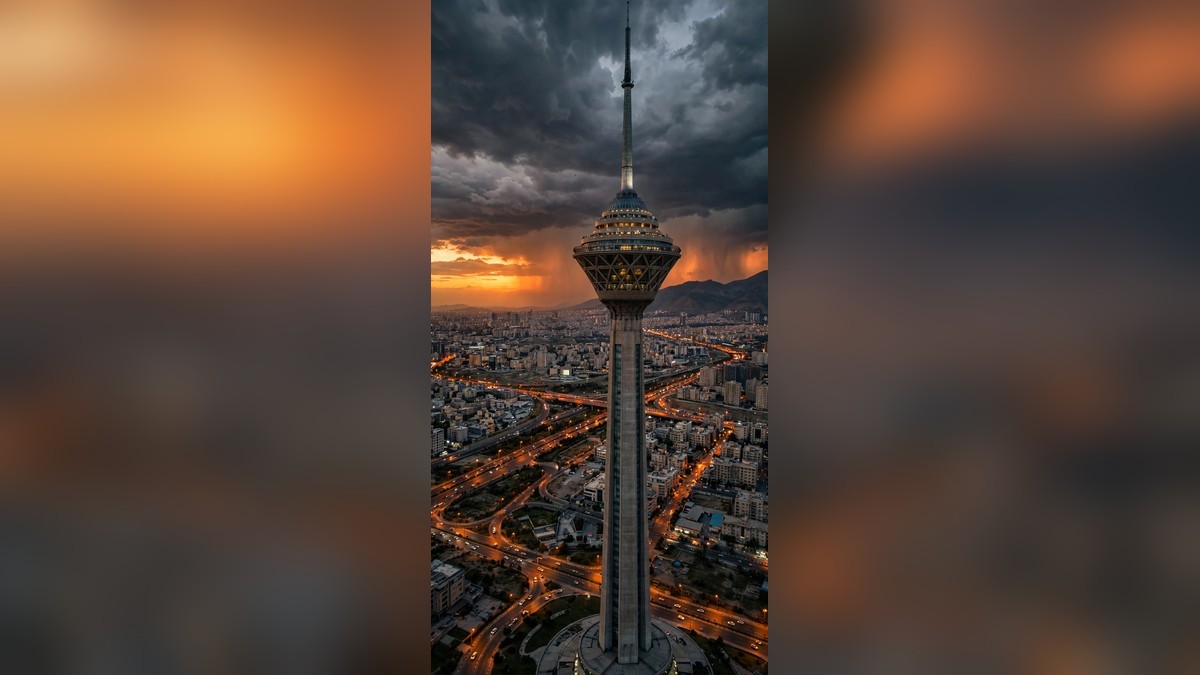
Iran has warned it will not wait for the United States to attack first, with a senior diplomat saying Tehran is ready for talks, a blockade or war as American warships gather in the region.
Kazem Gharibabadi, Iran’s deputy foreign minister for legal and international affairs, gave the warning in an interview with Iranian state television on Sunday, in a video released by the Fars news agency. He said the United States “may be seeking to buy time by abusing diplomacy, in order to prepare the ground for another attack”.
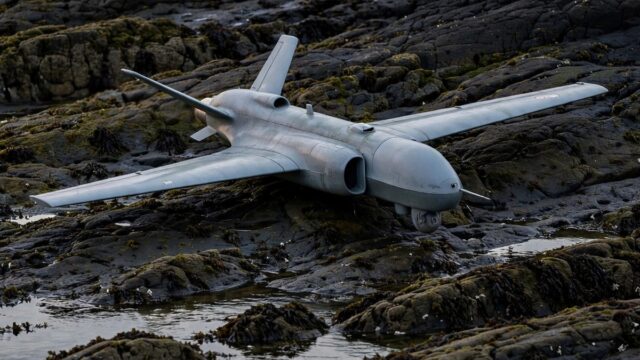
“Iran is not Cuba that you can blockade, nor is it Venezuela that you can force to surrender,” Gharibabadi said. He said the blockade had failed by sea and by land alike, and claimed the Revolutionary Guard was producing missiles with “new ranges”.
WHAT HAPPENED
Gharibabadi said Iran and all its institutions had prepared for three possible paths: the diplomatic track; countering Washington’s sanctions, including maritime, land and aerial blockades; and confronting any renewed military action. “When you are in a state of war, you cannot place all your eggs in the basket of diplomacy,” he said.
He rejected the description of the current stand-off as “neither war nor peace”, a phrase used by parliament speaker Mohammad Bagher Ghalibaf. “My personal belief is that from a legal perspective, we are still in a state of war and not in a neither-war-nor-peace situation,” Gharibabadi said.
The deputy minister also set out Tehran’s terms for letting nuclear inspectors back in. He said the Revolutionary Guard “will not grant” the International Atomic Energy Agency access to Iran’s nuclear facilities “until Iran’s conditions are met and the war is permanently ended”. Washington must first promise in full that Tehran’s terms will be honoured before any inspectors return, he said, adding that the agency’s request to visit damaged nuclear sites was likely an assessment of how effective American weapons had been.
In a separate televised interview with the IRNA news agency, Gharibabadi said Washington had repeatedly undermined Tehran’s trust in negotiations, and that Iran had proposed a seven-day timeline for ending the war and reopening the Strait of Hormuz.
WHY IRAN’S WARNING MATTERS NOW
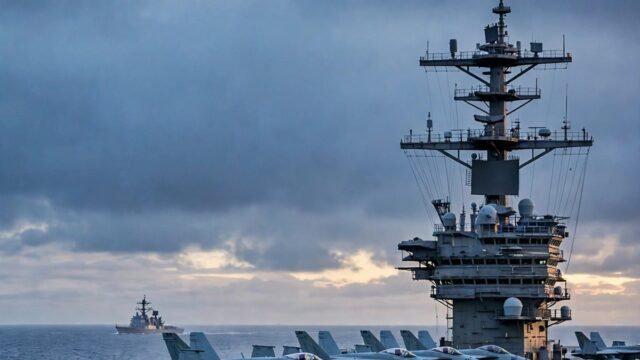
The warning landed on the same day a third American aircraft carrier moved into the region. The USS Theodore Roosevelt entered the US Central Command area on Sunday, joining the USS George Washington and the USS George H.W. Bush. More than 20 US Navy vessels are now enforcing a blockade of Iranian ports that began on 13 April, after nuclear talks collapsed.
The Roosevelt left Singapore on 8 November and sailed through the Strait of Malacca. It had been expected to relieve the George Washington, but that carrier remains in the region for now, leaving three carrier strike groups in place at once. US officials say all three could stay if necessary, and the build-up has been read as a sign that renewed strikes remain an option even while Washington talks about restraint.
That tension runs through the American position itself. Secretary of State Marco Rubio has said there is no need for new major strikes because economic pressure is doing the job, while warning the military “stands ready” if Iran crosses Washington’s red lines. President Donald Trump, who has told advisers he may hold off on another attack if there are no new provocations, leaves for Asia this week for talks with Chinese President Xi Jinping and Russian President Vladimir Putin.
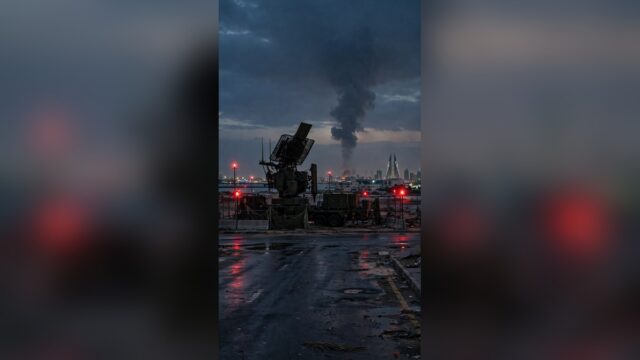
The region is already on edge. Iran claimed on Sunday that it struck the radar of a US air defence site at the al-Riffa helicopter base in Bahrain with six drones, its first claimed attack on American military assets in a Gulf country since early September. US Central Command said on Friday it had shot down two Iranian drones heading towards Bahrain and reported no injuries or damage, while the US embassy in Bahrain urged citizens to exercise heightened vigilance. Saudi air defences also intercepted two ballistic missiles aimed at Riyadh and drones over the Eastern Province on Sunday.
WHAT HAPPENS NEXT
Tehran has tied any reopening of the Strait of Hormuz to seven conditions, and Gharibabadi made clear that no agreement will come without guarantees Washington keeps its side of any deal. Iran has also answered past violations of the Islamabad memorandum of understanding with force, and the deputy minister said diplomacy and military operations were working alongside each other rather than in opposition.
For now, both sides are holding their positions: Washington with three carrier groups and a blockade, Tehran with a warning that it will act before being attacked. The coming days will show whether Trump’s talks in Asia ease that stand-off or whether the build-up turns into a new round of strikes. Related coverage: Trump is weighing whether new strikes on Iran are likely and Iran has lifted its limit on missile range.
Sources: Fars news agency, Al Jazeera liveblog, Press TV, IRNA, The National, The Jerusalem Post, Reuters. Published 16 November 2026, 09:00 +08. The claims about missile ranges, the Bahrain radar strike and the tanker incidents have not been confirmed by any outside source.