Key Points
- Democrat Scott Colom leads Republican Senator Cindy Hyde-Smith by 3,041 votes in Mississippi’s still-uncalled Senate race, the Associated Press live count showed early on Thursday, 12 November.
- The lead stood at just 43 votes when the race was last covered on 4 November; it widened as counties worked through affidavit and mail-in ballots.
- About 3,600 mail-in ballots were still to be tallied on Wednesday, along with an unknown number of affidavit ballots, Mississippi Secretary of State Michael Watson said.
- All 82 counties must certify their results by Friday, 13 November, and the state will declare the final result on 3 December.
What happened in the Mississippi Senate count
More than a week after voters went to the polls on 3 November, Mississippi’s Senate race still has no winner. The Associated Press, which has not called the race, put Colom on 470,133 votes and Hyde-Smith on 467,092 in its live count early on Thursday, with all 1,736 precincts reporting and an estimated 98.18 percent of the expected vote counted. The gap of 3,041 votes is about 0.3 percent of the ballots cast.
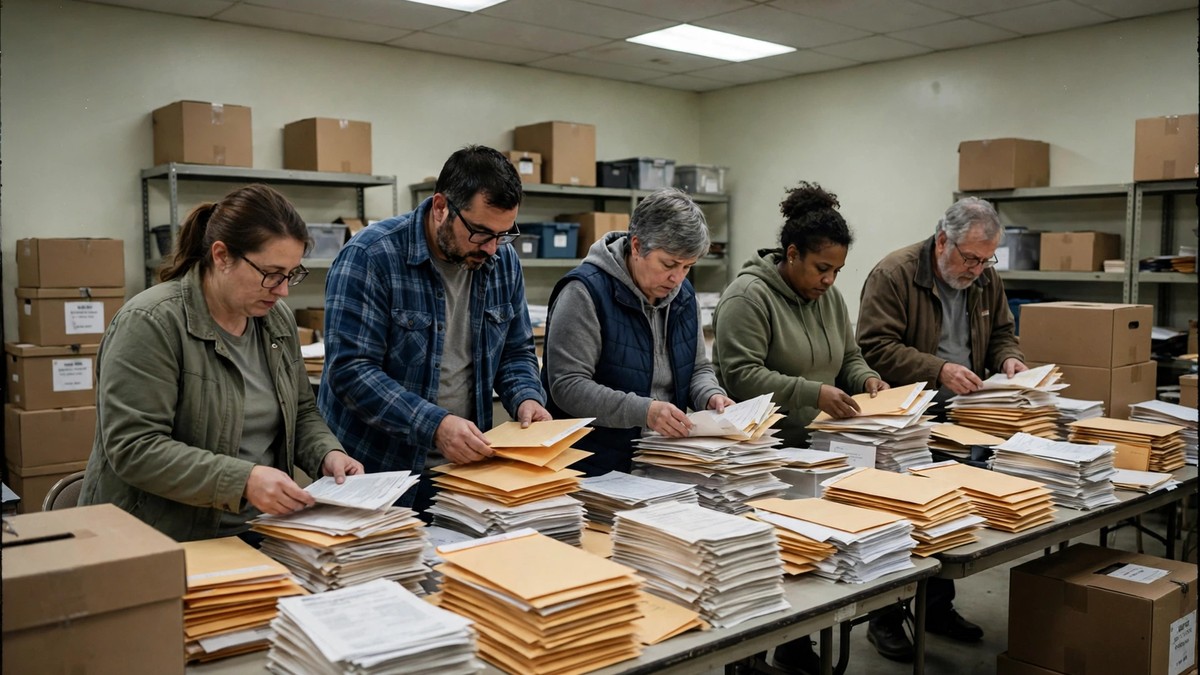
The count moved slowly because Mississippi gives counties time to process the ballots that arrive after Election Day. Tuesday, 10 November, was the last day for mail-in absentee ballots postmarked by Election Day to reach county offices, and the last day for voters who cast affidavit ballots — the state’s name for provisional ballots — to fix identification problems. By Monday, officials had processed 15,547 affidavit ballots and accepted about 76 percent of them, while 2,578 mail-in ballots were still outstanding, according to the secretary of state’s office.
Hinds County, which includes the capital, Jackson, and is the state’s Democratic stronghold, was expected to finish processing most of its affidavit ballots before uploading results on Wednesday. The two campaigns have lawyers and observers watching the count in counties across the state.
The count has also turned into a legal fight. Lawyers for Hyde-Smith and the National Republican Senatorial Committee asked all 82 counties to keep affidavit ballots separate and preserve them in case of future legal challenges. Lawyers for Colom argued that separating accepted affidavit ballots from other counted votes would break Mississippi law and threaten the secrecy of the ballot.
Hyde-Smith has not conceded. “We are not backing down. This election is not over,” she wrote on social media, according to the Associated Press. Colom has urged patience. “We’re going to make sure everything is followed according to the law, and I have confidence in those local officials,” he told the AP.
Why it matters
Mississippi is one of the last Senate races still without a result, alongside Alaska, where a ranked-choice count is still to come. The seat will settle the final shape of the next Senate after a midterm election in which Democrats took control of Congress.
The stakes go beyond the numbers. No Democrat has won a Senate seat in Mississippi since 1982. If Colom holds his lead, he would also become the state’s first Black senator since Reconstruction, more than 140 years ago. Colom, a district attorney, has already begun talking about voting reforms, telling Democracy Docket he wants three weeks of early voting, a national holiday on Election Day, and an end to partisan gerrymandering.
Mississippi has no automatic recount, so a close finish does not by itself trigger a second count. Candidates can ask a court to examine ballots, generally county by county — the route Hyde-Smith’s lawyers appear to be keeping open with their request to preserve affidavit ballots.
What happens next
Counties have until Friday, 13 November, to certify their results to the secretary of state’s office. The state will declare the final result on 3 December. Until then, the remaining ballots — about 3,600 mail-in ballots plus the affidavit ballots still being reviewed — will decide whether Colom’s lead holds or Hyde-Smith closes the gap.
If the lead survives certification, Colom will take the seat in January. If the remaining ballots narrow it further, the fight is likely to move into the courts, where the two sides are already arguing over how affidavit ballots should be handled.
Source: AP, The Hill, Al Jazeera, AFP, Election Law Blog, Democracy Docket | 12 Nov 2026, 01:10 +08