Key Points
- France on Monday blamed Iran’s Revolutionary Guard for the cyberattack of 11–12 October that overheated supermarket refrigeration across the country.
- About 700 sites were hit, with temperatures pushed to 50 degrees Celsius. At least 15 fires broke out and food worth millions of euros was lost.
- Paris has summoned Iran‘s ambassador, opened a criminal investigation and says it will seek sanctions at European level. Arrest warrants have been requested for three alleged members of the IRGC-linked Shahid Kaveh unit.
- Iran has not commented on the accusation. Similar fridge attacks struck other European countries in early November, and it is not clear whether they are linked.
France has blamed Iran’s Revolutionary Guard for a cyberattack that heated supermarket fridges to 50 degrees overnight, spoiling food worth millions of euros and prompting a vow of European sanctions.
What happened
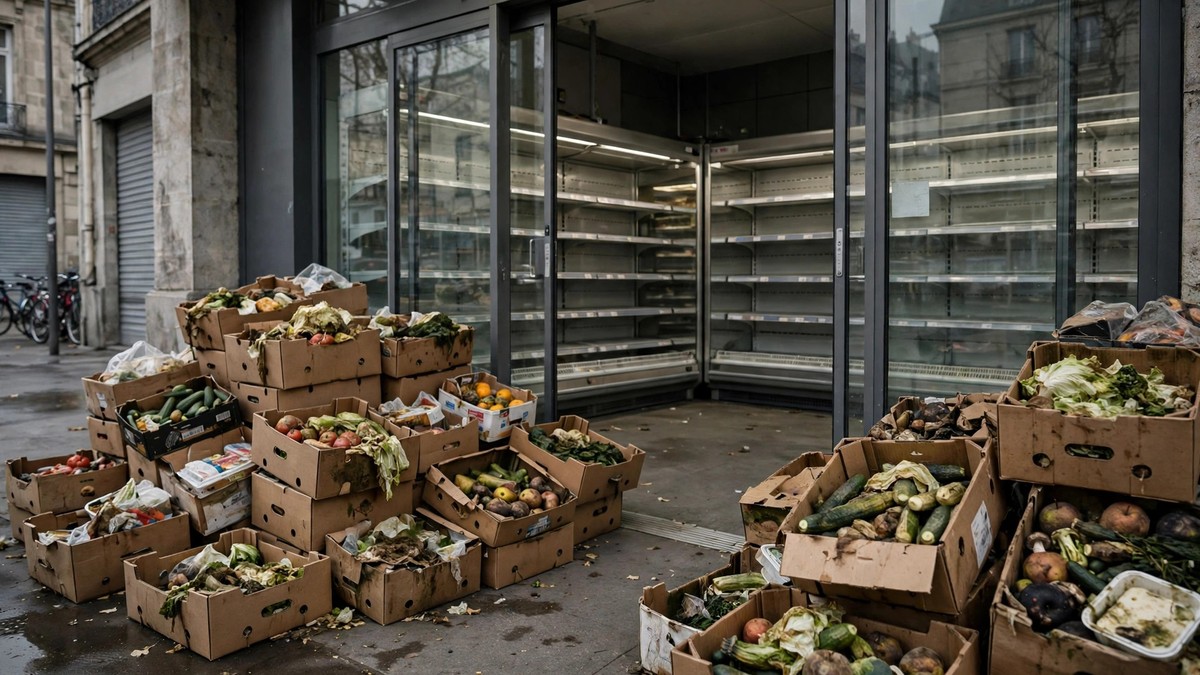
Overnight on 11 and 12 October, hackers broke into the remote temperature controls of supermarket refrigeration systems across France and turned the heat up. Units meant to keep food near freezing were driven to 50 degrees Celsius (122 Fahrenheit) for hours while the shops were shut. Fresh meat, dairy and frozen goods spoiled, and in at least 15 places the equipment caught fire or melted. Staff arriving in the morning carried boxes of perished food out to large waste containers.
The French report on the attack says about 700 commercial sites were targeted. Most were supermarkets, but the list also includes small butcher shops, a slaughterhouse and food-processing factories. Intermarché, the worst-hit chain, said at least 300 of its stores and its Netto discount brand were affected. Coopérative U said more than 100 of its supermarkets were targeted, Carrefour said 80 were affected, and Monoprix said about 5 percent of its roughly 490 stores were hit. E.Leclerc was also struck. One supermarket owner estimated to Reuters that total costs across the country could reach tens of millions of euros.
The hackers seized control of temperature-management software supplied by Danish engineering firm Danfoss, which lets retailers run their refrigeration units from a distance. Cybersecurity specialists who spoke to Reuters said the break-in looked easy to carry out, because several of the stricken units were old or running outdated software. A senior researcher at the security firm Proofpoint said the episode showed less about Iran’s hacking skill than about “how exposed these systems are.”
Why it matters
Foreign Minister Jean-Noël Barrot called the attack “unprecedented in both its scale and its level of aggression” and the first large-scale cyberattack carried out for sabotage on French soil. “It represents a major assault on the nation’s interests and on the security of the French people,” he told reporters on the sidelines of G7 talks in Paris on Monday. “That is why it will not go unanswered.”
French officials say the attack was carried out by Shahid Kaveh, an offensive cyber unit tied to the Revolutionary Guard’s electronic and cyber centre. The Paris prosecutor, Laure Beccuau, said a formal judicial investigation has been opened into the unit’s leader and his two deputies, and international arrest warrants have been requested for all three. A joint report by French intelligence and cyber agencies named the three men as Hamid Reza Lashgarian, Mahdi Lashgarian and Reza Salarvand, and said the hackers also worked through front groups posing as vigilante hackers, including “CyberAveng3rs” and “Cyber Isnaad Front.”
According to the prosecutor, investigators linked the attack to Iran through the use of Farsi and internet addresses pointing to devices in Iran, and by matching the break-in to the digital infrastructure and methods used in earlier attacks by the same unit. Reuters said it could not independently establish how France reached its conclusion. Iran has not commented, and its mission to the United Nations did not answer messages seeking comment. Iran routinely denies carrying out malicious cyber operations.
The episode is part of a wider pattern. Reuters described the French hacks as among the most disruptive cyberattacks of the Iran war that began in February, a conflict also marked by hacks against the Los Angeles transit system in March, American water treatment plants in July and ships bound for the United States in August. Microsoft had privately tied Iran to the October cold-storage sabotage at least two weeks before the public announcement, according to three people familiar with the matter. In August, refrigerators in at least six American military commissaries stopped working, and Pentagon investigators are treating that as a suspected cyberattack, with Iran a suspect. The disclosure adds weight to warnings from American officials this week that more such attacks could follow.
What happens next
France has summoned Iran’s ambassador to protest in the strongest terms, and Barrot said Paris would “impose sanctions at a European level against all those responsible for this attack.” He added that France would take “any other measures that are proportionate and necessary, whether public or private, to respond to this attack and deter anyone who might seek to repeat it.”
Attention is also turning to a second wave of fridge attacks this month. On 2 November, overnight temperature spikes were recorded in Belgium, Estonia, Ireland, Luxembourg and Sweden, hitting dozens of stores and a food distribution hub, and more than 100 establishments across Europe in all, including refrigerators used by French blood banks. It is not known whether those incidents are connected to the French campaign, and no one has claimed responsibility for them.
Retailers, meanwhile, face the cost of replacing spoiled stock and damaged equipment — and the harder job of securing refrigeration systems that were never built to withstand a state-backed attack. The criminal investigation in Paris will now test whether the three men named in the French report can be brought before a court.
Sources: Reuters, CNN, Al Jazeera, BBC | Published: 10 November 2026