KEY POINTS:
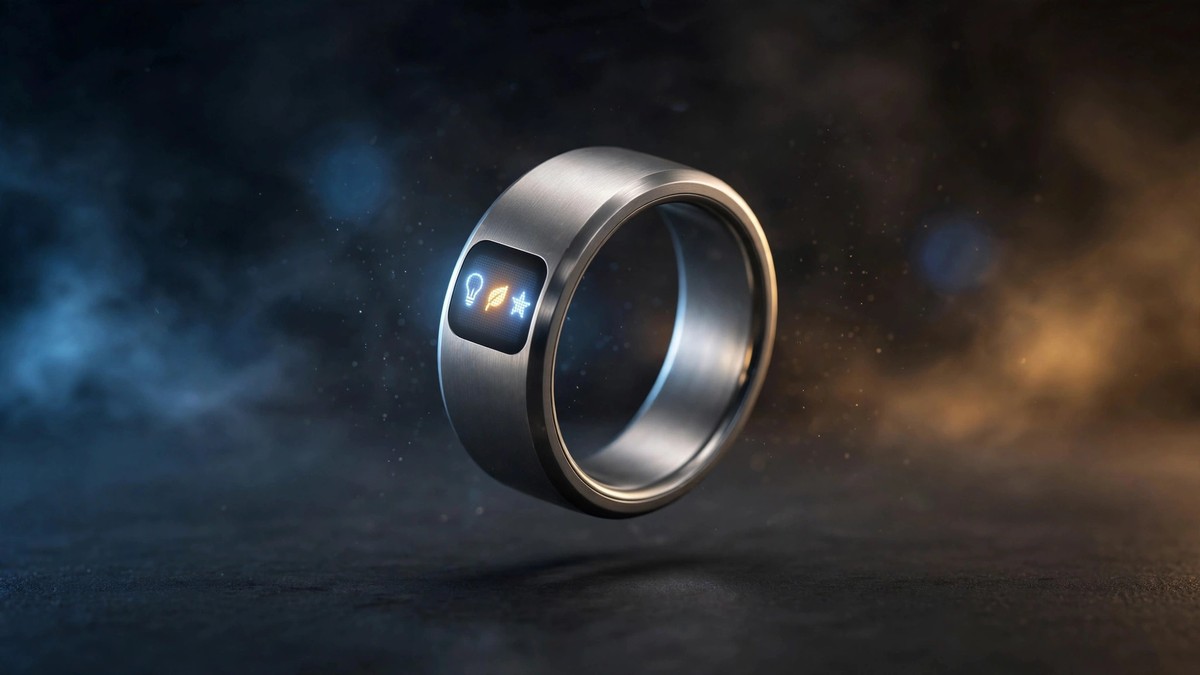
- Aina unveiled the Aina Ring on 5 November 2026 in San Francisco, a wearable AI interface that predicts the three things its wearer is likely to need next and shows them on a small screen.
- The ring runs a Context Aware Operating System that learns daily routines from the wearer’s phone, computer and AI agents, then surfaces suggestions just before they are needed.
- A flick of the thumb approves or rejects a suggestion, while a press-and-hold on the centre button lets the wearer talk to AI agents or take calls through a built-in speaker.
- Pre-orders opened on 5 November at a Super Early Bird price of $399, with the standard price set at $499 once the early allocation sells out; shipping is planned to begin in January 2027.
- The company was founded in May 2025 by Apoorv Shankar, the former vice-president of hardware at smart ring maker Ultrahuman, and raised a $5.5 million seed round in July 2026.
Aina, a San Francisco hardware startup, unveiled an AI ring on 5 November that predicts what its wearer needs next and puts the answer on a tiny screen, aiming to replace the phone for the hundreds of small decisions AI agents will soon ask us to approve.
What happened
The company, founded in May 2025 by Apoorv Shankar, spent 15 months building the device in private as a human-computer interaction lab. Shankar previously led hardware at Ultrahuman, the company behind the Ultrahuman Ring. The team showed three experimental interface concepts at the CES technology show in January 2026, then released a context-aware three-key keypad for Mac, called Dune, in April, which reached hundreds of early users. A small group of private testers has been wearing the ring since early October.
The ring’s pitch is simple: phones were built for browsing, but the next wave of computing will be built around AI agents that act on our behalf. Each time an agent needs a yes or no — book the usual cab, send the late-for-a-meeting email, mute the microphone — pulling out a phone and unlocking it is too slow. Aina argues that a device worn on the finger, always within reach, is the right place for those quick approvals.
It works in three ways. Aina Voice lets the wearer press and hold the centre button to talk to their AI agents or take quick notes, and a built-in speaker handles conversations and phone calls. Aina Cues is the predictive layer: the system studies app use, location and calendar details from the phone, Mac and connected agents, then offers a shortcut at the right moment — a cab booking just before the usual 9 a.m. departure, or a ready-made apology email when a meeting is running late. Aina Remote turns the ring into a controller for whatever is happening now: a music remote while songs play, a meeting controller for the microphone, camera and note-taker, or a TV remote while watching television.
“We started building Aina with a thesis that AI would evolve from following instructions to anticipating what we need,” said Apoorv Shankar, Aina’s founder, at the launch. “With proactive agents, that shift has already begun. Agents like Muse, Instinct and Dots will soon run hundreds of our daily tasks. Today we instruct them by text or voice. Next, they’ll learn our patterns, build on our context and turn proactive for almost every interaction, waiting only for our approval. Hundreds of times a day, we’ll choose between options and say yes or no. Pulling out and unlocking a phone for each of these binary moments won’t work.”
Why it matters
The ring arrives as the race to build the device that comes after the phone is heating up. Nothing is preparing its own AI device for December, and OpenAI has been buying its way deeper into coding agents with its acquisition of Pierre. Aina’s bet is different: not a new computer, but a small controller for the computers and agents people already use.
The price puts it in familiar territory. At $399, the early-bird ring costs the same as Samsung’s Galaxy Ring and sits inside the range of Oura’s health rings, though Aina is selling anticipation and control rather than health tracking. The Amber Gold finish costs $449 at early-bird pricing. Once the limited early allocation ends, the standard price rises to $499.
There are real limits to weigh. At launch, the ring supports only iOS and Mac, so Android and Windows users are left waiting, and further integrations are promised only after launch. It is also a first-generation device from a 40-person company with offices in San Francisco and Bangalore: buyers are paying for a vision of proactive computing that depends on AI agents becoming as routine as the company expects.
What happens next
Three things to watch. First, the pre-order response: the Super Early Bird allocation is limited, and how fast it sells will be the first public test of demand. Second, shipping: the company plans to start worldwide deliveries in January 2027, and a free sizing kit goes out first so buyers can find their size before the ring is made. Third, the software: Aina says more integrations will follow after launch, and whether big agent platforms and everyday apps embrace a ring-sized screen will decide whether the device becomes a daily habit or a curiosity.
Sources: GlobeNewswire / Aina press release, 5 November 2026 (via The Manila Times); TechCrunch, 5 November 2026. The founder quote is from the launch announcement. Shipping is planned for January 2027 and is subject to the company’s production schedule. Published: 6 November 2026, Kuala Lumpur time.