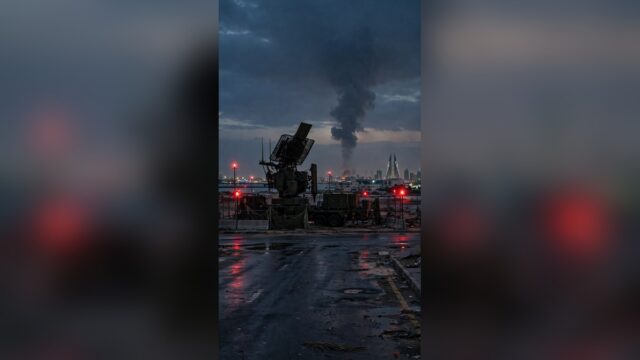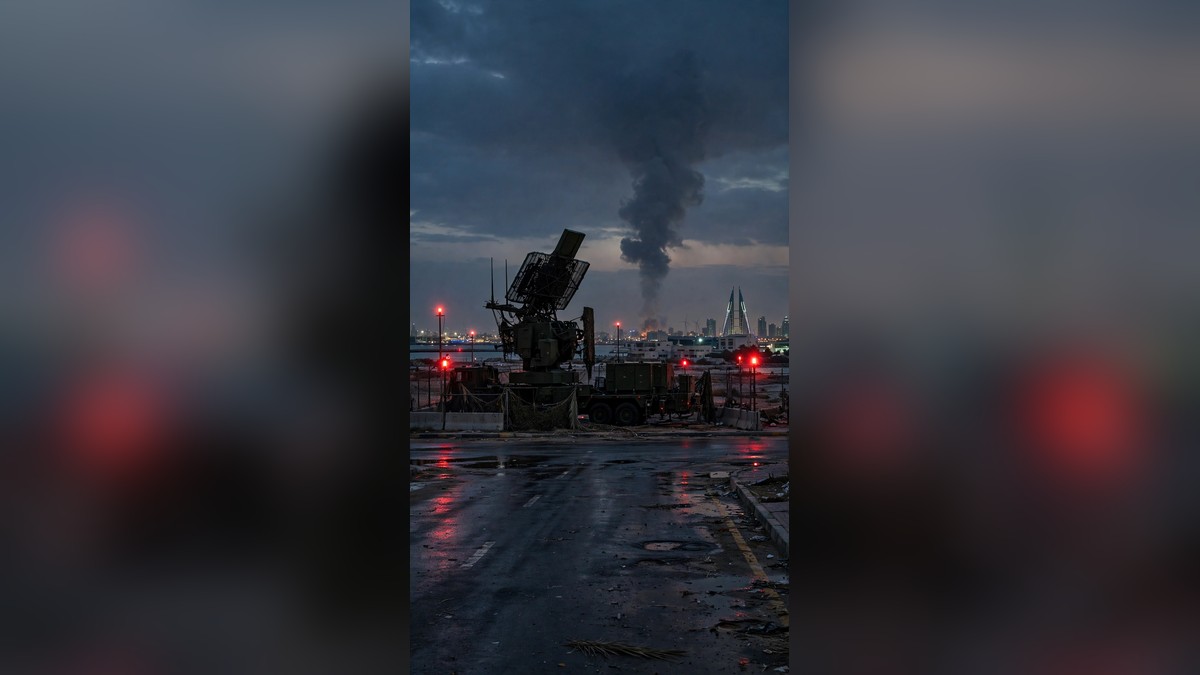
Iran says its forces struck a US air-defence radar in Bahrain with six drones on Sunday in retaliation, the second such claim in three days, as sirens sounded and Bahrain told residents to seek shelter.
Key Points
- Iran’s Revolutionary Guards say six drones targeted a US air-defence radar at the Al-Riffa helicopter base in Bahrain early on Sunday, 15 November.
- Blasts were heard in Manama around 4:00am local time, with a second series of explosions reported around 6:30am.
- Bahrain’s Interior Ministry issued two threat alerts, its first since September, telling the public to stay calm and take cover.
- The US military had not commented on the new claim, and no damage or injuries had been confirmed.
- It is the second such claim in three days: on Friday, Iran said it hit a US early-warning radar in Bahrain, a claim US Central Command denied.
What happened in Bahrain
Explosions and air-raid sirens woke Bahrain early on Sunday morning, hours after Iran’s Revolutionary Guards said they had attacked an American military base on the island.
People in Manama heard blasts at around 4:00am local time, according to an AFP journalist in the country, and residents reported a second round of explosions at about 6:30am. Sirens sounded across the capital as the authorities posted alerts on social media telling people to stay calm and head for the nearest safe place, without saying what the threat was.
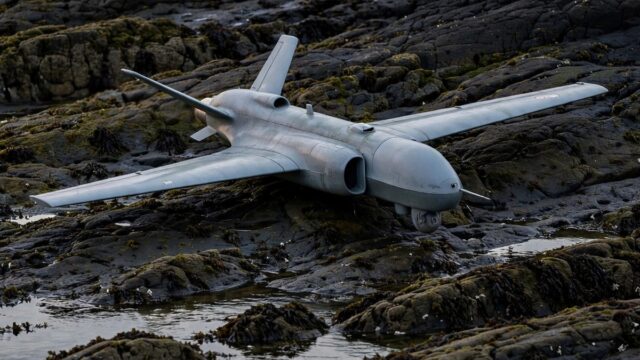
The Guards said their Aerospace Force had sent six drones against a US air-defence radar at the Al-Riffa helicopter base, just south of Manama. The statement, carried by Iranian state media, described the operation as retaliation for what Tehran called hostile American actions, and as the second phase of its response. Iranian outlets also carried a warning from the Guards that the Strait of Hormuz is closed and that any further aggression would draw an even harsher reply.
Bahrain’s Interior Ministry issued two alerts within three hours, the first at about 4:30am. It was the first time the ministry had issued such warnings since September. Local media reported that the first alert was lifted at around 5:00am. The ministry’s messages did not name a source for the threat or point to any particular area.
Bahrain’s Defence Force said its air defences had thwarted several Iranian aerial attacks. Its Foreign Ministry said the kingdom “rejects turning its territory into an arena for settling scores” and holds Iran fully responsible for the attacks.
There was no immediate word from the US military about whether anything had been hit. Central Command, the US military’s regional command, had not commented on the latest claim at the time of reporting, and the scale of any damage was not clear. People around Manama said they heard blasts, but no injuries or damage had been confirmed.
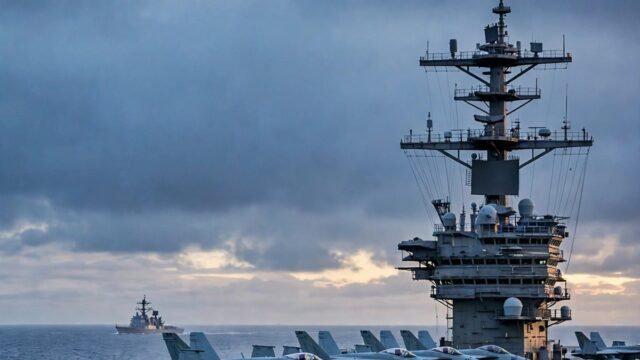
Bahrain is home to the headquarters of the US Navy’s Fifth Fleet, and hosts a major American naval base. It is one of several Gulf states caught between the two sides in a war that began when the United States and Israel launched surprise attacks on Iran on 28 February, and is now in its ninth month.
Why Iran’s second Bahrain strike matters
This is the second time in three days that Tehran has said it attacked an American radar site in Bahrain. On Friday, the Guards said their forces had hit a US early-warning radar in the country. The US military denied that claim the same day, saying it had shot down two Iranian drones and that no damage or injuries had resulted.
The repeat claim changes the picture in two ways. First, it shows Tehran is willing to keep striking at American positions in the Gulf rather than treating Friday as a one-off warning. Second, Bahrain’s own response was more visible this time: sirens across the capital and two public alerts, the first in two months, telling an entire population to take shelter.
The claim came as uncertainty hangs over talks aimed at ending the war, and days after President Donald Trump told senior advisers he may hold off attacking Iran if Tehran launches no new provocations, according to Reuters. Washington’s position, set out by Secretary of State Marco Rubio after G7 talks in France, is that the sanctions and the blockade are already inflicting extraordinary pain on Tehran. Iran’s Foreign Ministry answered that the blockade amounts to a threat to starve ordinary Iranians.
Tehran’s own signals point the other way. Parliament Speaker Mohammad Bagher Ghalibaf said in an interview with Al Jazeera that Iran would not stay in a state of neither war nor peace, and that it was ready for either negotiations or war, with any further American military action met by a response decided by its armed forces.
The pattern of the last few days fits that warning. Iran has also said its navy hit three oil tankers with mines in the Strait of Hormuz on Saturday, the latest in a run of attacks on shipping in the waterway, though Reuters said it could not verify the reports. The Saudi-led coalition said it intercepted two missiles aimed at Riyadh and three drones in Saudi Arabia’s Eastern region on Sunday. The United Nations told the Security Council on Friday that at least 25 seafarers have been killed in and around the strait since the war began.
What happens next
The first question is whether the US military confirms or denies the new claim, as it did on Friday. Central Command’s answer will set the tone: a denial backed by an interception count would repeat the Friday pattern, while silence or a damage report would mark a step up.
The second question is what Bahrain does next. Its alerts were the first since September, and the island’s role as host to the Fifth Fleet puts it at the centre of any further Iranian targeting of American bases in the Gulf.
The third question is whether the cycle stops here. The war has run for close to nine months with neither side able to break the deadlock, and the next move now rests with Washington: hold the blockade and sanctions line, or answer the latest claim with force. Tehran has warned that its response to any renewed attack would have no geographical limits.
Sources: Reuters, AFP, Al Jazeera, The Wall Street Journal, Anadolu Agency, Press TV / Fars News Agency (IRGC statement). Published 16 November 2026.