A federal judge in Florida has refused to throw out Donald Trump’s $10 billion defamation lawsuit against the BBC, ruling that the broadcaster’s edited clip of his January 6 speech can be challenged in court.
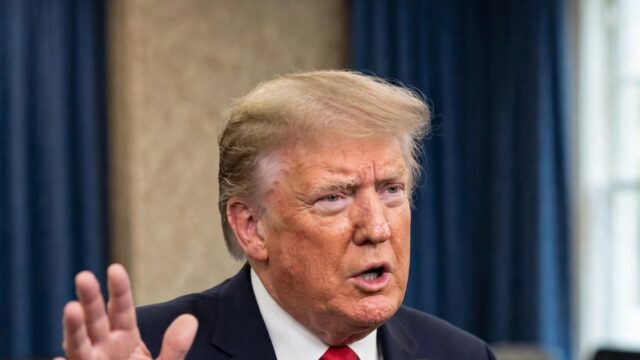
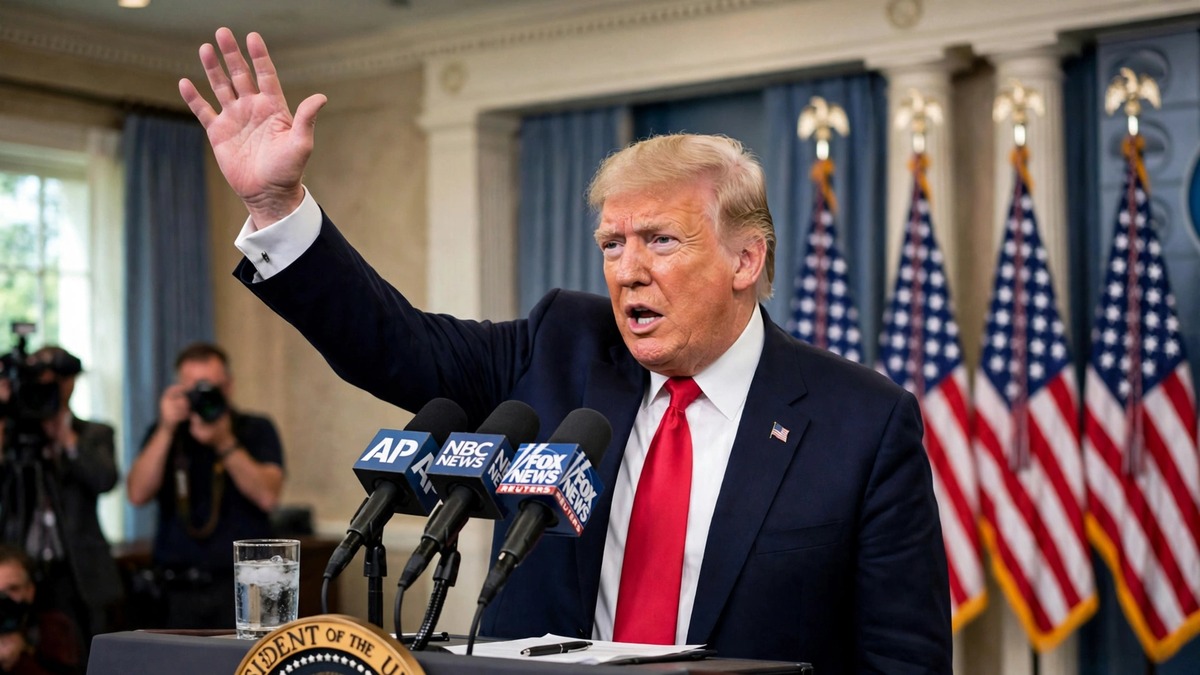
A federal judge in Florida ruled on Tuesday that President Donald Trump’s $10 billion defamation lawsuit against the BBC can move forward, rejecting the broadcaster’s attempt to have the claim dismissed at an early stage.
US District Judge Jeffrey Kuntz, sitting in the Southern District of Florida, decided that Trump had put forward a plausible claim that the BBC damaged his reputation by broadcasting a misleadingly edited version of his speech from January 6, 2021. The judge did not decide whether the BBC actually defamed Trump, and he did not find that Trump has proved his claims. The ruling means only that the case survives and will continue through the legal process.
What happened
The dispute centres on a 12-second segment in a BBC Panorama documentary, “Trump: A Second Chance?”, which was broadcast about a week before the 2024 presidential election that Trump went on to win.
Trump’s lawsuit, filed in Florida in December, says the programme spliced together two separate parts of his January 6, 2021 speech, recorded nearly 55 minutes apart. One part showed him telling supporters to march on the Capitol; the other showed him saying “fight like hell”. Left out was the part in which he called for peaceful protest. Trump argues the edit made it look as though he directed supporters to storm the Capitol building.
The BBC has already admitted the editing was misleading and apologised to Trump, although it denies being legally liable for defamation. Its chairman, Samir Shah, apologised for what he called an “error of judgment”. A leaked internal BBC memo had cited the edits as evidence of possible political bias, and the row led to high-level resignations at the broadcaster.
In his ruling, Judge Kuntz said the edit went beyond simply trimming footage. He wrote that it had the effect of “creating something different than what was stated in the speech”, and found that Trump had plausibly alleged the BBC knew, or should have known, that the resulting clip was misleading. The court also found that Trump had plausibly alleged a framework of actual malice, the standard public figures must meet in American defamation cases.
The BBC did win one part of the ruling. Kuntz dismissed Trump’s second claim, brought under Florida’s consumer protection law, on the grounds that the documentary did not count as commercial speech.
Why the Trump BBC ruling matters
The decision is a significant boost for Trump’s campaign of legal action against news organisations whose coverage he disputes. It is one of several lawsuits he has filed privately against media outlets, in what critics describe as a pressure campaign against coverage he dislikes.
For the BBC, the ruling deepens a crisis that has already cost senior figures their jobs. The broadcaster had asked the court to throw the case out, warning of what it called a “chilling effect” on robust reporting about public figures. That argument did not persuade the judge at this stage.
The case also raises awkward questions about who decided it. Judge Kuntz was nominated to the bench by Trump himself and confirmed by the Senate by 51 votes to 46. He took over the case in August after it was reassigned from another judge. Nothing in the ruling suggests the judge’s appointment determined the outcome, but the connection is certain to be part of the public debate as the case continues.
Trump celebrated the decision on Truth Social, writing: “A Huge Victory against Fake News BBC, a terrible abuser of the truth, just handed down by highly respected District Court Judge, Jeffrey T. Kuntz, of the Southern District of Florida.” He added: “We will continue fighting against, and defeating, all of those who try to deceive the American People!”
A BBC spokesperson said the broadcaster was surprised by the decision but respected the court’s authority. “We remain confident in our position and will continue to respond through the proper legal process,” the spokesperson said.
What happens next
The BBC has been ordered to file its formal answer to the complaint by December 1. Trump has separately been ordered to sit for questioning under oath by BBC lawyers by December 11. A trial has been scheduled for February 2027, with Trump having requested a jury.
Until then, the central question remains unanswered: whether the BBC’s acknowledged editing failure also amounts to legally actionable defamation, and whether Trump can show real damage from it. As one legal analysis put it, the ruling opened the door to a trial — it did not hand Trump a victory.
Related reading: Trump has also clashed with his own administration’s handling of intelligence claims — see our report on Trump dismissing the Rubio Nvidia spy memo — and recently attacked the outcome of the midterm elections — see Trump calls midterm election a fraud.
Key Points
- US District Judge Jeffrey Kuntz ruled on Tuesday that Trump’s $10 billion defamation claim against the BBC can proceed.
- The case concerns a 12-second Panorama edit that spliced two parts of Trump’s January 6, 2021 speech, recorded nearly 55 minutes apart, and cut his call for peaceful protest.
- The BBC has admitted the edit was misleading and apologised, but denies defamation; its chairman called it an “error of judgment”.
- Kuntz dismissed Trump’s separate Florida trade-practices claim; the ruling does not decide whether defamation is proved.
- The BBC must answer by December 1; Trump faces questioning under oath by December 11; trial is scheduled for February 2027.
Sources: Reuters, Bloomberg via Business Standard, BBC, The Wrap, Glasgow Times / PA Media. Reported Tuesday, November 10, 2026 (US time); article prepared Wednesday, November 11, 2026, 15:30 +08.