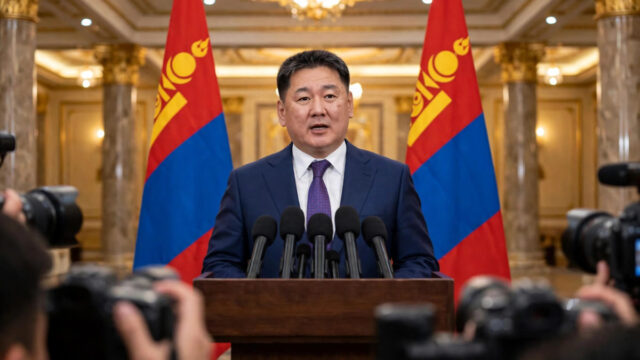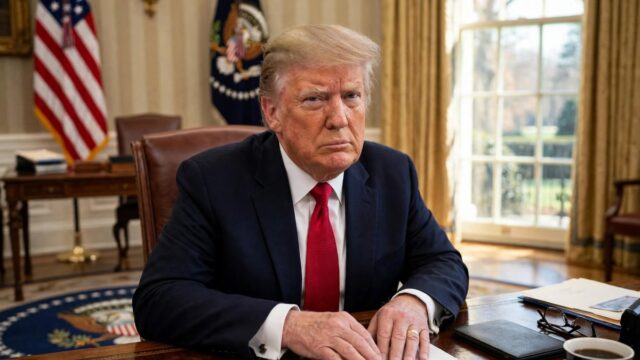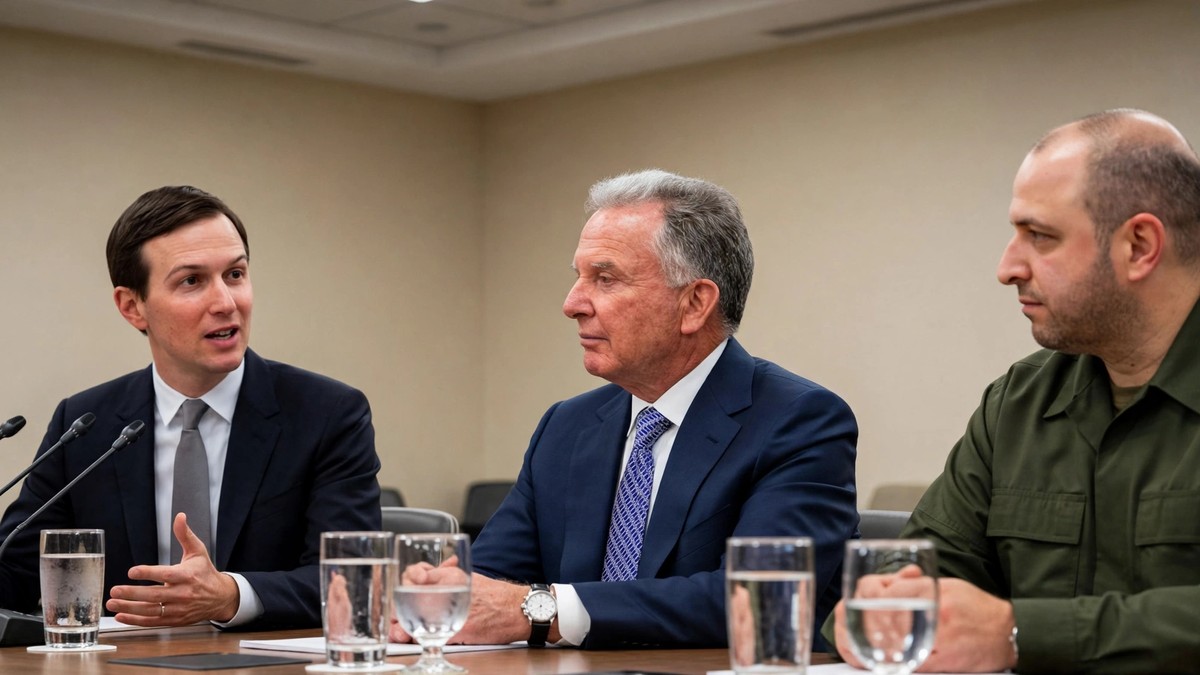
Abu Dhabi talks between Russia and Ukraine ended on Wednesday with agreement on their biggest prisoner exchange yet, but no breakthrough on a ceasefire or territory after two days of US-mediated meetings.
Key Points
- Russia and Ukraine agreed on a large prisoner-of-war exchange as two days of US-mediated talks in Abu Dhabi ended on Wednesday, 11 November.
- The exact numbers will be settled on Thursday, 12 November, and the swap could happen within two to three weeks.
- There was no breakthrough on a ceasefire or on territory, the issues that have blocked a settlement for years.
- US envoys Jared Kushner and Steve Witkoff travel to Moscow on Thursday to meet President Vladimir Putin, then to Dublin to meet President Volodymyr Zelenskyy.
What happened in the Abu Dhabi talks
The talks ran for two days in the capital of the United Arab Emirates. The first session, on Tuesday, lasted about four hours. The second, on Wednesday, lasted just under two hours. It was the first time the two sides had sat down together since February, and the first meeting of its kind in nine months.
The one concrete result was humanitarian. Both delegations confirmed they had agreed on a large exchange of prisoners of war. Jared Kushner, the US president‘s son-in-law and one of the two American mediators, called it the biggest humanitarian release of prisoners so far and said the final numbers would be worked out on Thursday. Vladimir Medinsky, who led the Russian delegation, described the agreement as in principle and said the details would be made public soon. Rustem Umerov, who led Ukraine’s delegation, confirmed the plan as well. President Zelenskyy described it as an important humanitarian agreement.
Reports during the talks said the two sides had discussed swapping either 1,000 or 1,500 prisoners each. That figure was reported as an option under discussion, not as a settled number. Russia’s TASS news agency, citing Lieutenant-General Alexander Zorin, reported that the exchange could take place in the next two to three weeks.
The sessions dealt largely with humanitarian questions: prisoners of war, Ukrainian civilians held in captivity, and children taken from Ukraine. Medinsky said the two sides had reached a mutual understanding on some issues and not on others, and that the conversation would continue. He also said a possible future European security framework had been a central theme, and that progress had been made on practical matters including ways to monitor a ceasefire.
US Secretary of State Marco Rubio had described the first day as very productive, without giving details. Kushner was more blunt about the mood between the two sides. “The reality is there is no trust right now between the sides and that is to be expected after a conflict like this,” he said.
Why it matters
A prisoner exchange is the kind of result these talks can still produce even when the bigger questions stay frozen. Swapping captives needs no agreement on borders, and both sides have done it many times during the war. The scale matters here: if the numbers now being discussed hold, it would be the largest release of prisoners since Russia’s full-scale invasion began nearly five years ago, a war that has killed hundreds of thousands of soldiers and thousands of civilians.
The limits of the meeting were just as clear as its one success. Nothing was announced on a ceasefire. Nothing moved on territory, the issue that has deadlocked every round. Russia still demands that Ukraine give up all of the eastern Donbas region it still holds before any peace deal, while Ukraine has rejected that demand outright. Russian forces control about a fifth of Ukraine, including around 80 percent of the Donetsk region. Moscow also wants Ukraine to accept neutral status and drop its bid to join NATO, while Kyiv wants security guarantees that would stop a future attack. A US official told the BBC that both sides had privately shown a little flexibility on territory, but that the question could not be settled before a post-war security framework is agreed.
The meeting also showed how far apart the two sides remain on who should even be in the room. The American mediators want European countries brought into the talks, and Umerov said Ukraine would hold a separate meeting with European partners. The Kremlin said its delegation had not been in contact with European representatives in Abu Dhabi and that no such contacts were planned. Medinsky said he saw no role for the European Union in the process for now.
What happens next
Kushner and Witkoff fly to Moscow on Thursday to meet President Putin and go over what was discussed in Abu Dhabi. Kushner said they see openings and opportunities in the talks and want to make more progress on the issues raised there, including bringing European partners into the process. After Moscow, the two envoys will fly to Dublin to meet President Zelenskyy and explore the ideas that came out of the two days.
The prisoner numbers are due to be finalised on Thursday as well. If the swap goes ahead on the timetable now reported, families on both sides could see their relatives home within weeks, even as the fighting continues and the main disputes over land, security and Ukraine’s future remain unresolved.
Source: AP, Reuters, Al Jazeera, CNN, The National | 11 Nov 2026, 22:50 +08