Trump has launched a naval mission to escort stranded ships through the Strait of Hormuz — and Iran says any approaching foreign force will be attacked.
Key Points
- Trump announces ‘Project Freedom’, a naval mission to guide stranded ships through the Strait of Hormuz, starting Monday.
- The mission is described as a humanitarian gesture for crews running low on food and supplies, with any interference to be dealt with forcefully.
- Iran’s military warned Monday that any foreign armed force, especially the US Army, will be attacked if it tries to approach and enter the Strait.
- Commercial ships were told not to transit without coordination with Iranian forces.
- Lawmaker Ebrahim Azizi said US interference would violate the ceasefire.
- The announcement is separate from the disputed warship-hit claim, where Iran’s claim and CENTCOM’s denial differ.
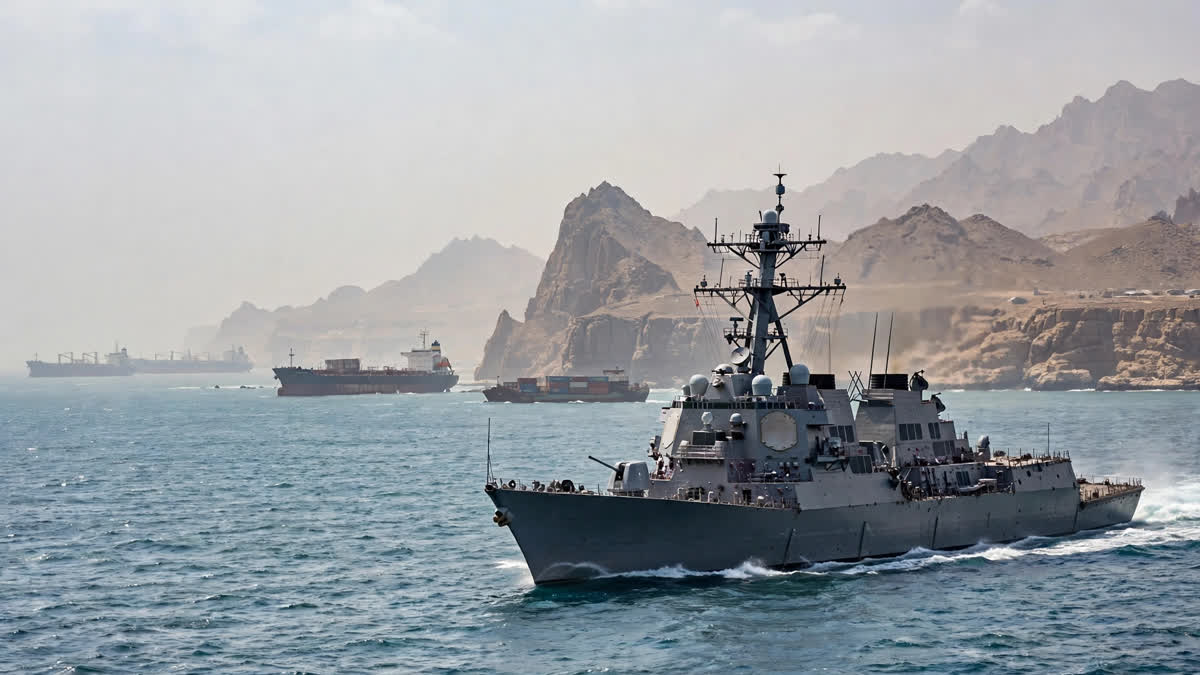
Donald Trump has launched Project Freedom, a naval mission starting Monday to guide ships through the Strait of Hormuz, where crews are low on food and supplies; Iran warns any approaching force will be attacked.
What happened
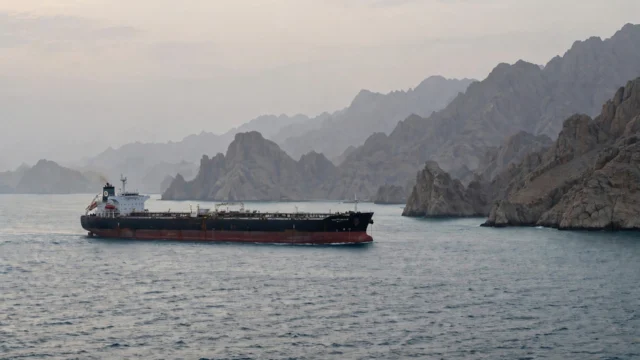
Trump announced the mission as a way to move ships that have been stranded in and around the Strait of Hormuz, the narrow waterway between Oman and Iran that carries a large share of the world’s seaborne oil. The mission is presented as a humanitarian gesture: crews on board the stuck vessels are running low on food and supplies, and the naval escort is meant to get them through safely. At the same time, the announcement carries a hard edge — any interference with the mission will be dealt with forcefully.
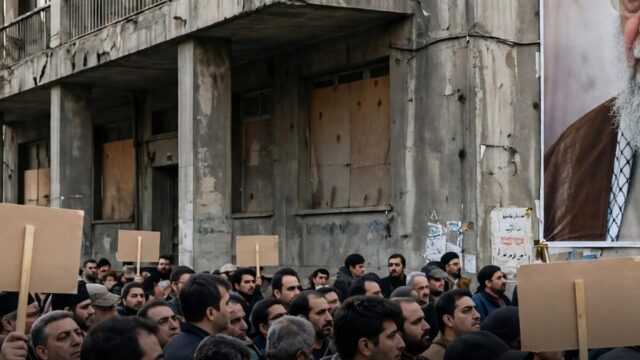
Iran’s response came the same day, and it was blunt. Its military said that any foreign armed force, especially the US Army, will be attacked if it attempts to approach and enter the Strait. Commercial ships were told not to transit the waterway without coordination with Iranian forces. Lawmaker Ebrahim Azizi added a political warning of his own, saying US interference would violate the ceasefire.
The announcement follows a tense week on the same waterway. Just days earlier, a tanker was struck by two unknown projectiles off Oman, near the Strait of Hormuz, in an attack that remains unattributed — the full story is here: Tanker struck by two unknown projectiles near Strait of Hormuz.
Why Project Freedom matters now
The Strait of Hormuz is one of the world’s most important shipping lanes, and when ships cannot move through it, the effects spread far beyond the Gulf — to energy prices, supply chains, and the navies that patrol the route. A mission that escorts ships through under military protection, met by a warning that approaching forces will be attacked, puts two armed positions on a collision course in a very narrow stretch of water.
It also matters because of what it is not. The Project Freedom announcement is a separate matter from the disputed warship-hit claim that has circulated alongside it, where Iran’s claim and the US Central Command’s denial differ. Keeping the two apart matters: one is an announced mission with a stated start date, the other is an unresolved claim. Treating them as the same event would mislead readers about what is confirmed and what is not.
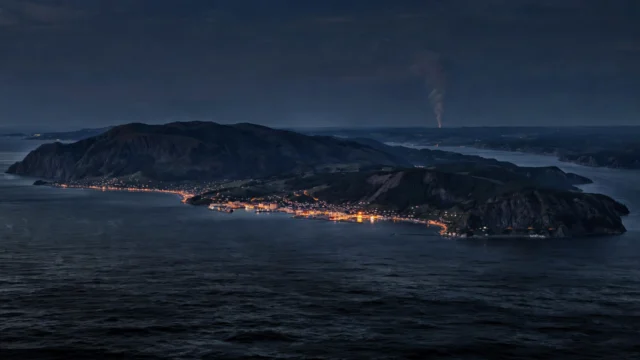
The region has already seen reported strikes near the strait this week, including reported US strikes on Qeshm Island — the full story is here: Night blasts shake Qeshm Island as US and Iran trade Hormuz claims. Against that background, a new naval mission is not routine traffic — it is a test of whether the waterway stays open or becomes a flashpoint.
What happens next
The mission is due to start Monday, so the first thing to watch is whether stranded ships actually begin moving under escort — and whether they move without incident. The second is Iran’s response in practice: whether its forces act on the warning, or whether the warning stays words while ships pass with coordination.
Also worth watching is the ceasefire question raised by Azizi. If either side treats the mission as a breach, the diplomatic track around the strait could harden quickly. For now, the facts are narrow but serious: a mission announced, a warning issued, and a waterway the world cannot afford to see closed.
Sources: Al Jazeera; Times of Oman | 4 November 2026