IRGC Quds Force commander Esmaeil Ghaani has warned Washington that the Resistance Front now acts as one united front, threatening significant blows in both the Strait of Hormuz and the Bab el-Mandeb.
Key Points
- IRGC Quds Force chief Esmaeil Ghaani said the Resistance Front now stands as a single united front across different arenas.
- He warned Washington not to judge the front’s depth by weapons range alone.
- His warning named two waterways at once: the Strait of Hormuz and the Bab el-Mandeb.
- He accused Benjamin Netanyahu of misleading Donald Trump into the war.
- He claimed the war cost America standing and ground in Hormuz.
What happened
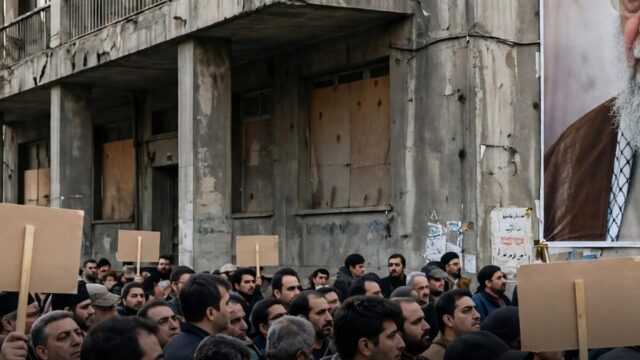
In an interview with Sepahnews, reported by The Tribune and Mehr News, Ghaani described the Resistance Front as a single united front spread across different arenas. His message to Washington was blunt: the front’s depth cannot be measured by the range of its weapons alone.
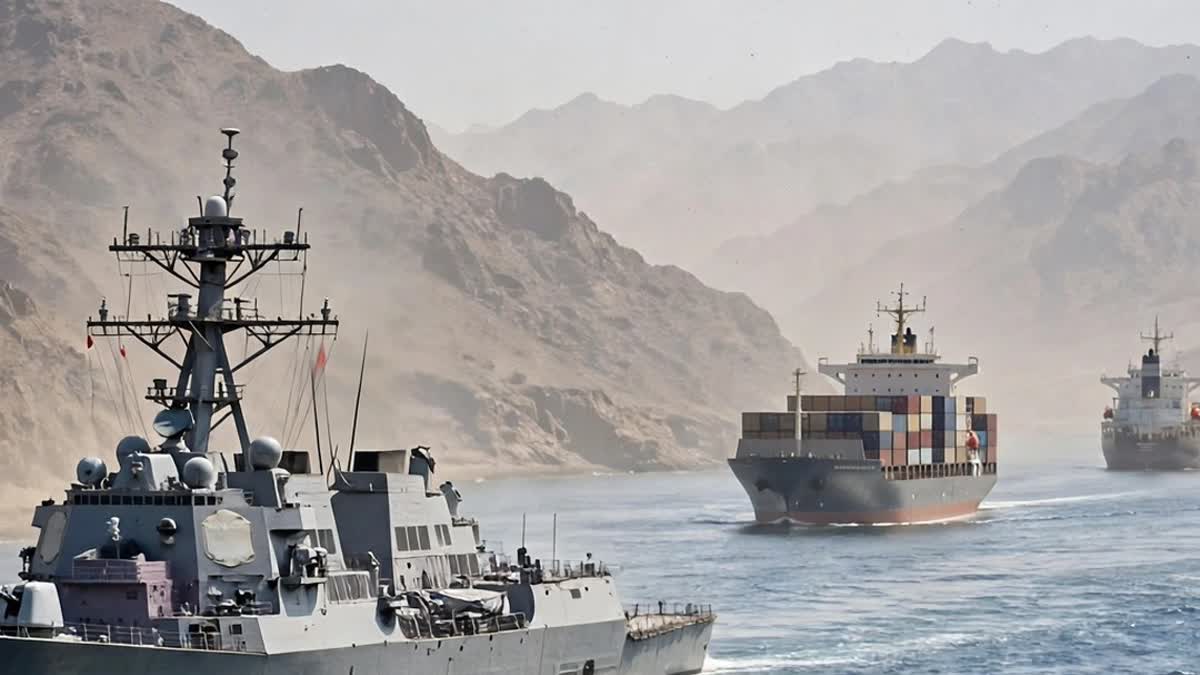
He warned that if America keeps up what he called its “gambling behaviour”, the front could deliver significant blows. In the same breath he raised two fronts: a war fought with weapons in the Strait of Hormuz, and the opening of the Bab el-Mandeb, the narrow passage between the Red Sea and the Gulf of Aden.
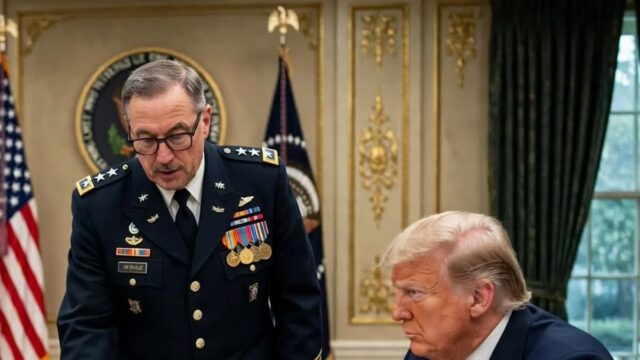
Ghaani also turned on Israel’s prime minister. He accused Benjamin Netanyahu of misleading Donald Trump into the war, and claimed the conflict cost America standing and ground in Hormuz. The remarks were carried by The Tribune, drawing on ANI, and by Mehr News, giving the warning two independent published sources.
Why Ghaani’s warning matters
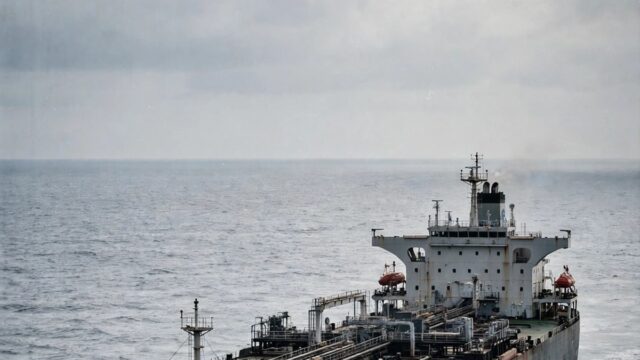
The warning matters because it joins two chokepoints in a single threat. Hormuz is the Gulf’s narrow exit to the open sea, and Bab el-Mandeb guards the southern mouth of the Red Sea. A threat that names both at once is designed to sound wider than a single-strait standoff, and to force Washington to think about two waterways instead of one.
It also lands in a week of rapid escalation. Washington has just sanctioned a network accused of aiding Iran’s shadow fleet, and Iran’s Supreme Leader has already warned that any repeated aggression would draw a much wider response. Ghaani’s words add a military voice to that political warning, from the commander who runs Iran’s overseas operations.
The timing points at American politics as well. The warning follows a midterm defeat that weakened Trump’s hand at home, and Ghaani’s claim that Netanyahu misled Trump reads as an attempt to drive a wedge between Washington and Jerusalem while both are under pressure.
What happens next
What happens next depends on how Washington reads the warning: as deterrence meant to push both sides back toward talks, or as a signal of action being prepared near one or both straits. Naval movements in the Gulf and the Red Sea, and any statement from the US Central Command, will be the first real test of which reading is right.
Diplomats are already working to head off renewed fighting, and any fresh incident near Hormuz or Bab el-Mandeb would put that effort under immediate strain. For now, Ghaani’s warning stands as the sharpest statement yet that Iran’s camp sees the confrontation as a single front with two doors.
Related reading: US sanctions on the network accused of aiding Iran’s shadow fleet and the Supreme Leader’s warning that war would widen.
Source: The Tribune; Mehr News | 5 November 2026
Reported Wednesday, 4 November 2026.