Bahrain has asked the United Nations Security Council to act against Iran after strikes on the kingdom on Saturday wounded two people, one of them critically, and set fire to a civilian industrial facility.
Key Points:
- Bahrain says two people were wounded in Iranian strikes on Saturday: a Bahraini citizen with a disability, now stable, and a Pakistani resident in critical condition. Both are in hospital.
- Bahrain’s Foreign Ministry has demanded Iran be held accountable and pay full compensation, and urged the UN Security Council to take firm action.
- Manama says the facility hit was purely civilian and has rejected Tehran’s justification for the attack.
- Iran’s Revolutionary Guard claims its missiles and drones hit US positions in Bahrain and destroyed two Patriot radars. That claim has not been confirmed by any outside source.
- US officials say American forces and assets in Bahrain were unaffected.
What happened in Bahrain
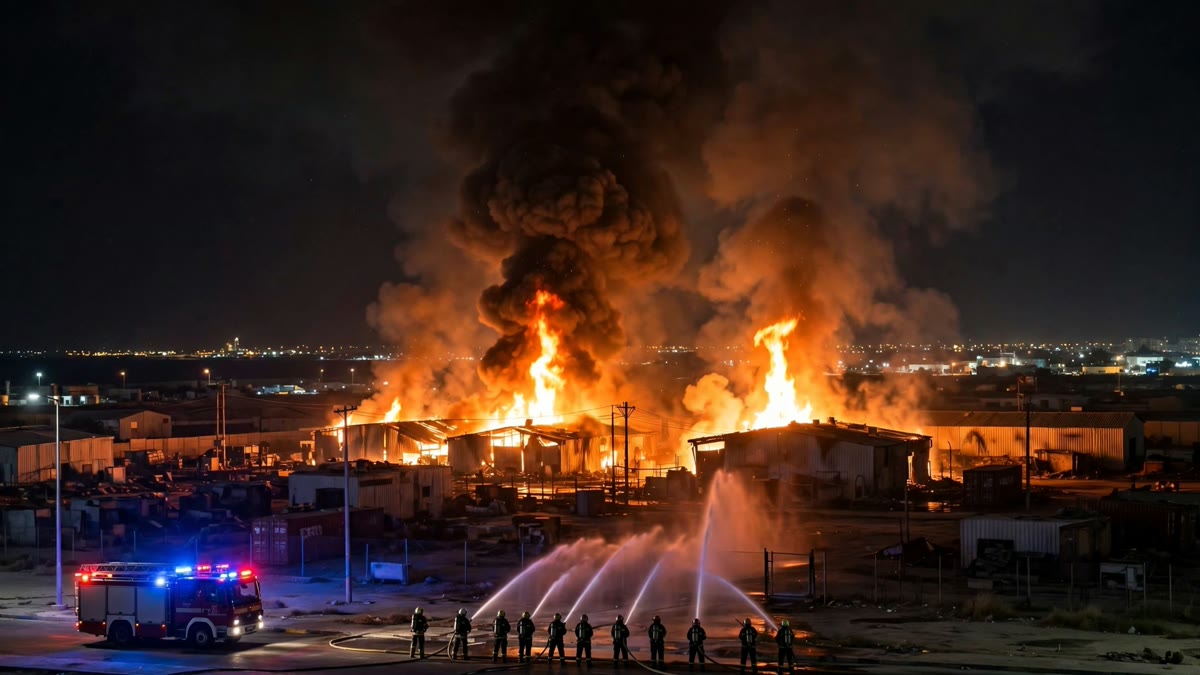
The strikes came on Saturday, 21 November. Bahrain says an Iranian attack hit a civilian industrial facility, starting a fire that caused material damage. Civil defence teams worked through the night to bring the blaze under control. Residents reported smoke rising over Sitra Island, which hosts several industrial sites, including a refinery run by the state oil company.
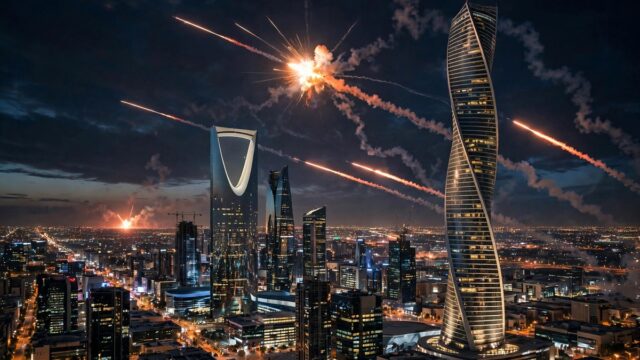
Bahrain’s Defence Force said its air defences intercepted and destroyed several Iranian aerial attacks late on Saturday. Falling debris from the interceptions caused minor material damage. The Interior Ministry first told residents to move to the nearest safe place, then issued an all-clear, and later sent a second alert as the attacks continued. At first, the ministry reported property damage but no injuries.
That changed on Sunday morning. The Interior Ministry said a Bahraini citizen with a disability had been wounded and was in stable condition, while a Pakistani resident was in critical condition. Both were receiving treatment in hospital. The announcement came in a statement posted on X.
Hours later, the Foreign Ministry issued a longer statement from Manama. It said the Revolutionary Guard had publicly claimed responsibility for the attack on the civilian facility, and described the strikes as a direct threat to civilian lives and a flagrant violation of Bahrain’s sovereignty and territorial integrity. The ministry said the attacks also breached the UN Charter, international law and the principles of good neighbourliness, as well as UN Security Council Resolution 2817 (2026).
The statement demanded that Iran be held accountable and pay full reparation for the damage, in line with international law and Human Rights Council Resolution 61/1. It urged the Security Council to take decisive measures to make Iran carry out Resolution 2817, above all by stopping its attacks and threats against civilians, civilian buildings and infrastructure at once. It also called for freedom of navigation in the Strait of Hormuz and Bab al-Mandab, and for Iran to stop backing proxy groups. Bahrain rejected what it called the pretexts used to justify the attack, saying Iran should not use disputes with other countries as a reason to strike its territory. The ministry added that Bahrain keeps the right to take all necessary steps to protect its sovereignty and the safety of its citizens and residents, on its own or together with allies.
Saudi Arabia, Qatar and the United Arab Emirates condemned the attacks, and the Gulf Cooperation Council expressed solidarity with Bahrain.
There is a conflicting account of how the fire started. Iran’s IRNA news agency reported that an interceptor missile came down on Sitra Island and started a large fire. That version has not been confirmed by any outside source either.
Why it matters
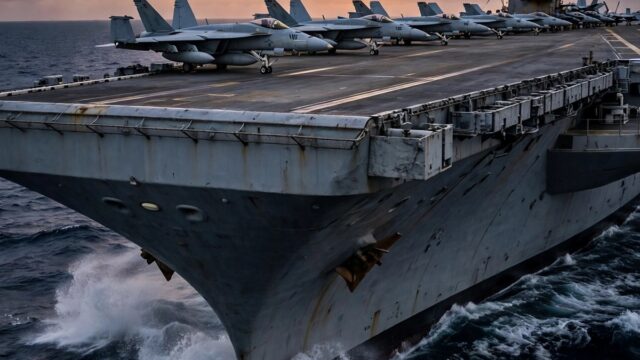
Bahrain is a small Gulf kingdom that hosts the US Navy’s Fifth Fleet, so an attack on its soil carries weight far beyond its size. The shift from property damage to wounded civilians, one of them in critical condition, raises the stakes of a war that has already spread across the region. Bahrain has been hit before in this war: a drone attack struck a US radar site in the kingdom on 17 November (https://worldpulsewire.com/2026/11/17/iran-third-drone-attack-bahrain/).
The two sides are also telling different stories about what was hit. Iran’s Revolutionary Guard claims its missiles and drones struck US positions at the al-Riffa and Awali bases and destroyed two Patriot radars. Bahrain says the target was a purely civilian facility, and Washington says its forces were untouched. Neither the radar claim nor the US-base claim has been confirmed by any outside source, and the gap between the accounts is now part of the confrontation itself.
The timing adds to the pressure. On the same weekend, two tankers were struck in the Strait of Hormuz (https://worldpulsewire.com/2026/11/22/two-tankers-hit-hormuz-one-day/), the narrow waterway through which about a fifth of the world’s oil passes. Bahrain’s call for the Security Council to act, and for freedom of navigation to be protected, ties its own injuries to the wider fight over the strait. The human cost of the war keeps growing as well: Iran says 623 children have been killed in the US-Israeli war (https://worldpulsewire.com/2026/11/22/iran-says-623-children-killed-war/), a figure that has not been confirmed by any outside source.
What happens next
The question now is whether the Security Council takes up Bahrain’s demand. No session had been called by Sunday evening, and a formal meeting would need support from Council members who have so far been divided over the war. Bahrain’s compensation demand also has no clear path: Tehran has given no sign it will accept responsibility, let alone pay.
The Revolutionary Guard has added a further claim to watch. It says it shot down a fourth US MQ-1 drone in 24 hours, the 20th since the war began. That claim has not been confirmed by any outside source. If fighting continues around Bahrain, the kingdom’s air defences and its call for UN action will both be tested again.
For now, the two wounded people remain in hospital, the damaged facility is being assessed, and Bahrain’s diplomats are pressing their case in New York. Whether the UN steps in, or the confrontation moves further, will become clear in the coming days.
Sources: Al Arabiya, Gulf News, Khaleej Times, Express Tribune, i24NEWS, ANews (Anadolu Agency), Türkiye Today, Arab Times, Al Jazeera, Dawn | 22 November 2026