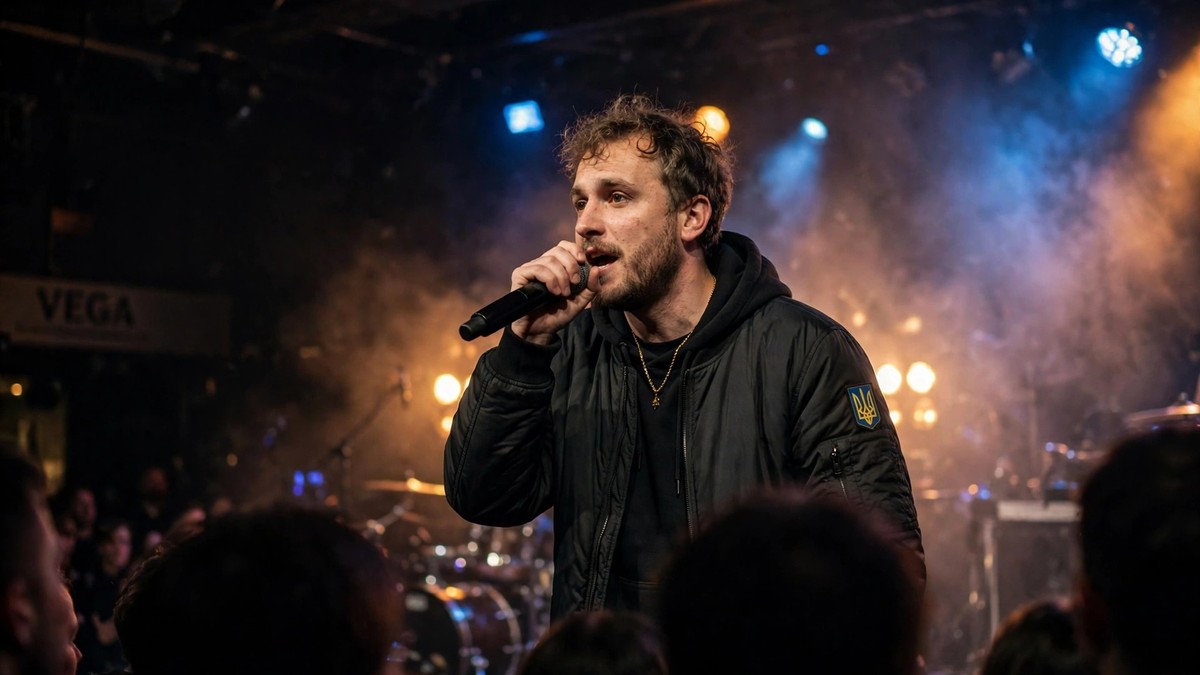
Denmark says it stopped a Russian intelligence plot to kill Ukrainian-American rapper Kyivstoner at a Copenhagen concert, expelled a Russian diplomat, and now wants the EU to curb visas for Russians.
Key Points
- Denmark says its police stopped a Russian intelligence plot to kill Ukrainian-American rapper Kyivstoner minutes before his concert north of Copenhagen on 25 September.
- Three men were arrested on the way to the venue with two loaded pistols and two knives. Two Danish men were charged on Friday 20 November with attempted murder and helping a foreign intelligence service.
- Denmark is expelling Russia’s defence attaché within seven days and has summoned Moscow’s ambassador. Foreign Minister Lars Løkke Rasmussen called the plot “an unacceptable transgression”.
- Copenhagen has now urged EU governments to halt tourist visas for Russians and stop recognising Russian non-biometric passports across the Schengen zone.
- Moscow denies any role, saying Denmark has shown no proof. Russia’s foreign ministry says it will give “an appropriate response” to the expulsion.
What happened
Police moved in at 9:55 p.m. on 25 September, five minutes before Kyivstoner was due on stage. The men were driving towards the venue, and prosecutors say their car carried two loaded pistols and two knives. One of the suspects had bought a ticket to the show. The concert was called off.
The case stayed quiet for almost two months. On Friday 20 November, Denmark’s security and intelligence service, PET, said its assessment was clear: the killing had been planned by Russian intelligence. Two Danish men appeared in court near Copenhagen the same day, charged with attempted murder and with assisting a foreign intelligence service under Section 108 of Denmark’s Criminal Code. Both men denied the charges.
PET chief Rasmus Kieffer-Kristensen told reporters it was the first time Denmark had seen a Russian assassination attempt on its own soil, and that it pointed to a Russia growing more aggressive and more willing to take risks. He said the case mattered because it showed the threat Denmark now faced from Moscow.
Hours after the announcement, Denmark summoned Russia’s ambassador, Vladimir Barbin, and told him the defence attaché must leave within seven days. Rasmussen said Denmark did not want to cut diplomatic ties, but it did want to send “a very, very strong signal”. He also said he would not expel the ambassador himself, so that some channel of contact stayed open. “We know the Russian intelligence services are behind this. We are absolutely certain,” Rasmussen said. “This is an outrageous and completely unacceptable violation of our borders, and it demands a firm response.”
The plot, according to PET, ran through Loyal to Familia, a banned Danish street gang. PET had already warned in September that Russia was recruiting Danish citizens to help plan sabotage against Danish defence firms with links to Ukraine.
It was not the first time Kyivstoner had been targeted. In August, Polish police arrested a Russian national who was allegedly planning to kill the rapper.
Why the Denmark plot matters
An assassination ordered by a foreign intelligence service and carried out through a local criminal gang is a sharp step beyond the sabotage and cyberattacks Europe has blamed on Moscow since the full-scale invasion of Ukraine in 2022. Denmark is treating it as a direct attack on its sovereignty, and as a warning that no European country is out of reach. The same week, Russian missiles hit Poland during a huge attack on Ukraine, in a reminder of how far the war’s fallout now reaches.
The timing also matters. The plot was stopped in September, but Denmark went public only now, after charges were brought, and it did so with a package of punishments and proposals ready: an expulsion, a visa crackdown, and a call for the whole EU to act together. That turns a single police case into a test of whether Europe will answer as one. The war itself keeps widening: Ukraine has also struck back deep inside Russia, with a record 1,336-drone barrage reported this week.
For Russia, the denial is categorical. Its embassy in Copenhagen said Denmark had presented no evidence at all and called the idea that Moscow would target “a musician with limited political influence and questionable fame” absurd. Its foreign ministry spokeswoman, Maria Zakharova, said Moscow would give “an appropriate response” to the expulsion, without saying what that would be.
What happens next
Denmark will put its proposals to EU ambassadors in Brussels on Monday 23 November: a halt to tourist visas for Russians, and a Schengen-wide refusal to recognise Russian passports that are not biometric. Prime Minister Mette Frederiksen has said she will also push for tougher sanctions, including a halt to all non-essential visas for Russian citizens.
The defence attaché has seven days to leave Denmark. The two charged men remain in custody and face trial on attempted murder and foreign-intelligence charges, which they deny.
The wider question is whether other European governments back Denmark’s visa plan, and whether Moscow’s promised response stays at the level of words, or turns into a tit-for-tat expulsion of its own.
Sources: Reuters, CNN, Al Jazeera, The Wall Street Journal, The Times. First published 21 Nov 2026.