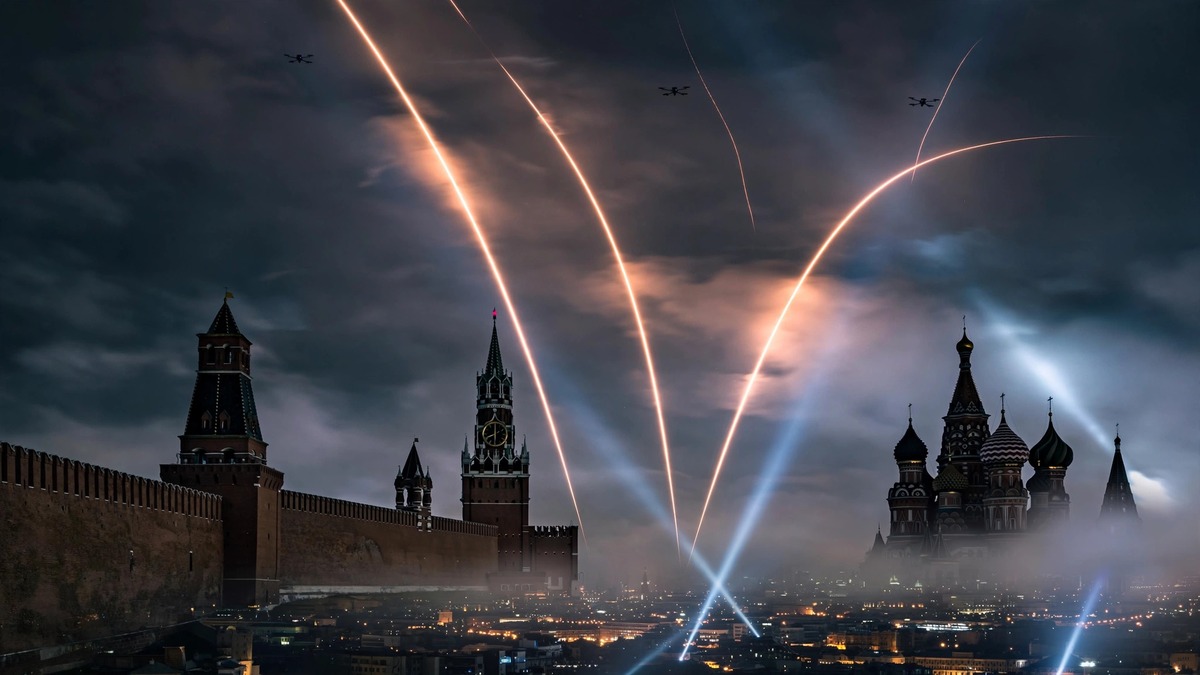
Russia said on Monday it shot down 1,336 Ukrainian drones overnight, including around 600 aimed at Moscow, in the largest drone attack on the capital this year.
Moscow has not seen a night like this in 2026. The barrage arrived three days before President Vladimir Putin meets Donald Trump and Xi Jinping in Shenzhen, and it showed both sides now strike far behind the front lines: Kyiv at Russian refineries and airfields, Moscow at Ukraine’s power grid as winter closes in.
Key Points
- Russia’s Defence Ministry said its air defences shot down 1,336 Ukrainian drones overnight; Moscow’s mayor said around 600 of them were aimed at the capital.
- The mayor said 191 drones were stopped on their approach to Moscow. No casualties or damage were reported in the capital.
- Russian-installed officials in Crimea said the Crimea Bridge was struck overnight, with traffic restricted until about midday.
- Russian strikes on Ukraine’s Odesa region killed four people and injured 69.
- The barrage came three days before Putin, Trump and Xi meet in Shenzhen on 19 November.
What happened in Moscow
The attack ran from Sunday evening into Monday morning. Moscow Mayor Sergey Sobyanin posted updates through the night on Telegram. His first messages put the number of drones heading for the capital at about 139. By morning he had raised that figure to around 600, covering the hours from 4pm on Sunday to 7am on Monday, Kyiv time.
“Most were destroyed by the defence ministry’s air defence system on distant approaches,” Sobyanin wrote. He added that 191 drones were “neutralised on their approach to Moscow.”
Russia’s Defence Ministry later gave a countrywide total: 1,336 Ukrainian fixed-wing drones intercepted and destroyed overnight, in regions across Russia and in the skies over the Sea of Azov and the Black Sea. The figures come from Moscow alone and have not been confirmed by any outside source. No information was released about casualties or damage in the capital. The ministry also said 230 drones had been shot down between 8am and 8pm on Sunday.
The same night brought a strike on the Crimea Bridge, the road and rail link between Russia and the annexed peninsula. Sergei Aksyonov, the Moscow-appointed head of Crimea, said on Telegram that “the enemy has struck the Crimean Bridge” and that traffic would stay restricted until about midday. Emergency services were sent to the scene and a response headquarters was set up in Kerch. A local Telegram channel said one arch of the bridge’s navigable span was hit at 05:38 and its condition was being assessed. The extent of any damage was not stated.
The exchange ran both ways. Russian strikes on Ukraine’s Odesa region killed four people and injured 69. Russia’s Defence Ministry also said it had attacked a cargo ship in the Black Sea, claiming the vessel was carrying military supplies to the Ukrainian port of Chornomorsk.
Why it matters
The numbers make this the biggest drone attack on Moscow this year and one of Kyiv’s largest aerial attacks of the nearly five-year war. It follows a run of Ukrainian strikes deep inside Russia. In the hours before the barrage, Ukrainian forces hit a major petrochemical plant, an oil refinery and a military production site.
Ukraine’s General Staff said its forces also struck the Akhtubinsk military airfield in the Astrakhan region — home to a flight-test centre for military aircraft and weapons — and a facility in the Oryol region used to store, prepare and launch drones. In the city of Azov, the regional governor confirmed fires at four industrial facilities after drones hit oil sites there.
President Volodymyr Zelenskyy said Ukraine’s strikes have knocked out 55 percent of Russia’s oil refining capacity. He tied the campaign to Russia’s bombardment of Ukraine’s power grid before winter, which has left homes without electricity and water. The refining figure is Zelenskyy’s own claim; it has not been confirmed by any outside source.
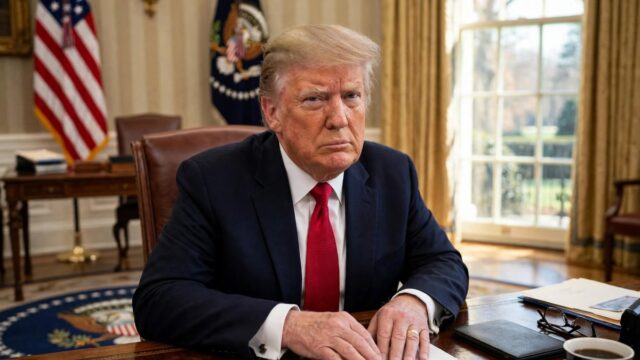
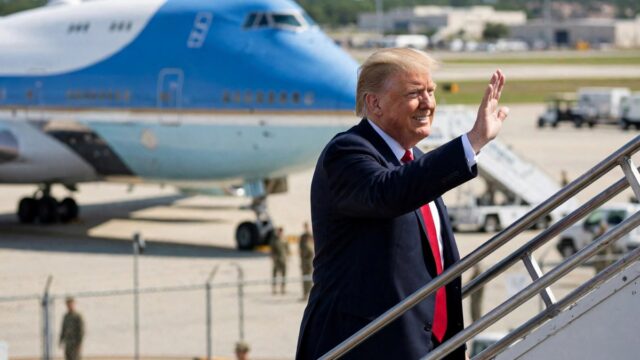
For Moscow, the timing stings. The barrage landed three days before Putin sits down with US President Donald Trump and Chinese President Xi Jinping in Shenzhen on 19 November. China confirmed the meeting on Monday. US officials say Russia’s war against Ukraine is not expected to be discussed there. Trump has said he wants to talk about nuclear disarmament and the war involving Iran instead.
What happens next
Traffic on the Crimea Bridge was expected to stay restricted until about midday while crews assessed the damage. Attention now turns to Shenzhen, where the three leaders meet on the sidelines of the APEC summit — the first meeting of its kind between them.
Zelenskyy has warned the meeting risks becoming a 21st-century version of the 1945 Yalta conference, with big powers settling Europe’s future without smaller countries at the table. German President Frank-Walter Steinmeier said Xi had shown irritation at the idea of Ukraine being raised, telling German broadcaster ARD that Xi called it a European conflict in which Europeans must also take part.
Away from Shenzhen, Washington is running a separate track, with US negotiators meeting Putin and Zelenskyy last week. With winter approaching, both sides are hitting energy targets — Ukraine at Russian refineries, Moscow at Ukrainian power plants — and neither side has shown any sign of easing off.
Sources: Al Arabiya (AFP), Türkiye Today, Shafaq News, Censor.NET, Ukrainska Pravda | 16 November 2026