Key Points
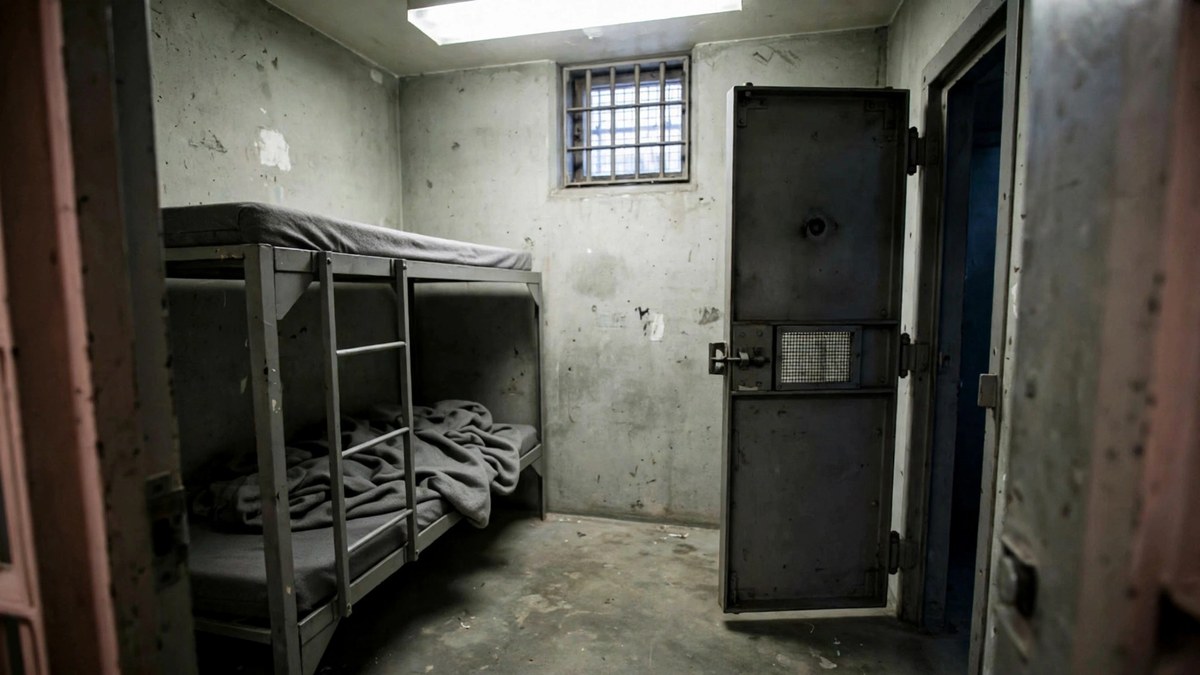
- Forensic expert Michael Freeman told BBC Newsnight that Jeffrey Epstein was strangled, most likely from behind, then probably hanged from the bunk bed with the same ligature.
- Freeman and two colleagues spent about a year on the New York medical examiner’s autopsy file and photos, supplied by Epstein’s brother Mark.
- The New York medical examiner’s office still stands by its 2019 suicide ruling; a 2023 Justice Department review found no criminality.
- Freeman’s findings have not been peer-reviewed; he plans to submit the paper again after a journal turned it down.
Epstein was strangled and his death was a homicide, forensic expert Michael Freeman told the BBC on Monday, seven years after the financier was found dead in a New York jail cell.
The claim reopens a long-running question, but the official ruling has not changed.
What happened
Freeman, a professor of forensic medicine and editor-in-chief of the Journal of Forensic and Legal Medicine, told BBC Newsnight and presented his findings at Middle Temple in London. He worked with forensic medicine professor Anders Eriksson of Umea University and Itiel Dror, a researcher on bias in forensic decision-making.
The three spent about a year on the autopsy file and photographs from New York City’s chief medical examiner, supplied by Mark Epstein, Jeffrey Epstein’s brother, who maintains his brother was murdered. Freeman said Mark Epstein did not pay him, that he worked independently, and that he did not examine the body himself.
Freeman pointed to injuries he said did not fit a hanging suicide: a deep bleed in the left shoulder, signs of a blow to the face, fingernail marks above the ligature mark, and a second ligature mark below the first at a different angle. The hyoid bone and thyroid cartilage were both broken.
“The injuries and the way the body was found don’t match up. There’s only one remaining explanation then, and that is that the death was as a result of a homicide,” Freeman told the BBC. “That’s not what suicidal hangings do,” he added. Asked who killed Epstein, he said he had “no idea”, adding: “I’m comfortable saying that’s a mystery.”
Freeman said Epstein was most likely strangled from behind, then suspended from the bunk bed with the same ligature.
Why the Epstein claim matters
Epstein was found dead on 10 August 2019 at the Metropolitan Correctional Center, where he awaited trial on sex trafficking charges. He had spent a short spell on suicide watch a month earlier. The autopsy took place the next day; the city’s chief medical examiner ruled the death a suicide.
Dr Barbara Sampson, who was chief medical examiner at the time, said: “I stand firmly behind our determination of the cause and manner of death for Mr. Epstein.” The medical examiner’s office told CBS News: “Our office stands by its determination.”
A June 2023 Justice Department inspector general report found no criminality in how Epstein died, but set out serious failures: guards falsified records, most CCTV in the wing did not work, the cell was never sealed and the body was moved within minutes.
Freeman is the second outside expert to question the ruling. In 2020, Dr Michael Baden, hired by Mark Epstein, said the neck injuries raised doubts about suicide. The New York Times reported in June 2026, from newly released documents and his handwritten jail notes, that there were signs he had been intent on ending his own life. Almost none of the forensics experts it spoke to thought the medical evidence alone could settle it.
CBS News noted that forensic pathology is not exact, and hanging and strangulation can leave similar neck injuries. The Times reported that Freeman is not a board-certified forensic pathologist, though he holds doctorates in epidemiology and forensic medicine. His findings have not been peer-reviewed: CBS reported that a journal turned the paper down, and Freeman plans to submit it elsewhere.
Related: Russell Brand jailed | Trump on deportation policy
What happens next
Freeman plans to resubmit his paper to another journal, where other experts can test his reading of the autopsy material. For now, the official position is unchanged: the medical examiner stands by suicide.
Sources: BBC News, CBS News, The New York Times, AP | 17 November 2026