
Key Points
- Several explosions were reported on Qeshm Island late on Monday night, with further blasts heard near Bandar Lengeh.
- US officials described the action as defensive, aimed at missile crews firing surface-to-air missiles at US assets.
- Iran’s Revolutionary Guard had earlier claimed it downed an MQ-9 drone and seized two other drones — claims Washington has not confirmed.
- Neither government had issued an official statement at the time of reporting, and the scope was described as limited.
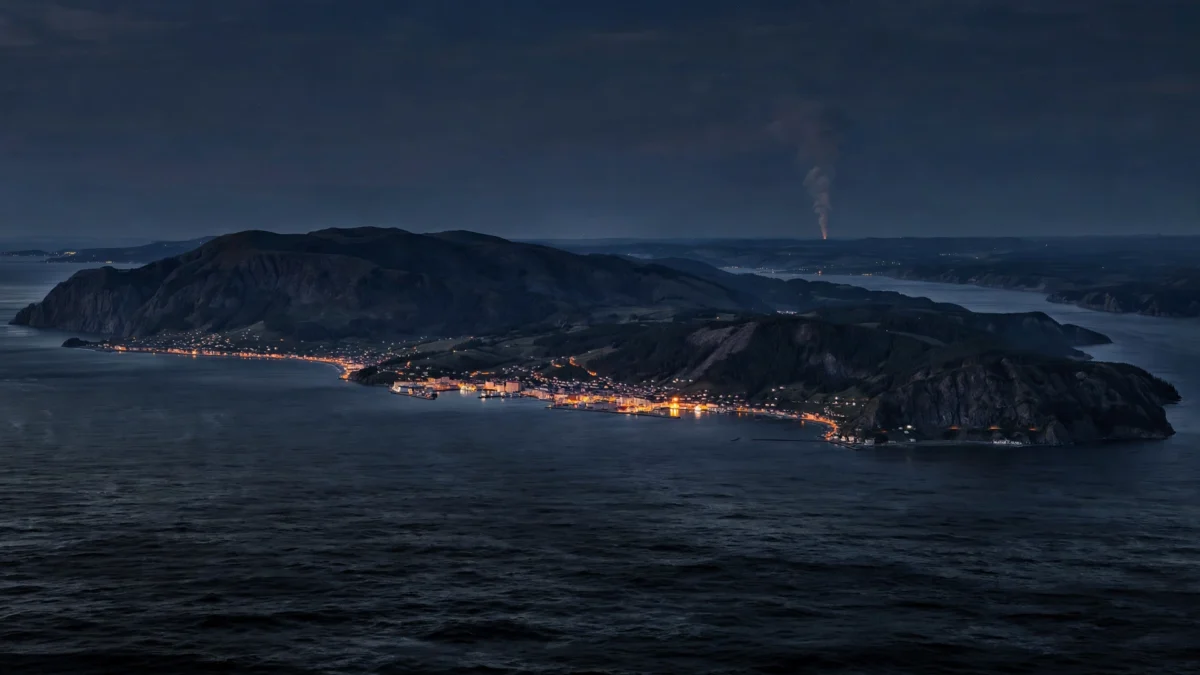
Qeshm Island was shaken by a run of blasts late on Monday night, according to Iran’s state news agency. People who spoke to the agency said they saw two aircraft in the sky above the island, which sits off Iran’s southern coast at the entrance to the Strait of Hormuz. A semi-official Iranian agency also reported explosions in the port city of Bandar Lengeh, heard from the direction of the sea.
American media outlets, quoting US officials, then reported that the US military had carried out what those officials called defensive strikes. The Associated Press quoted an official as saying the targets were Iranians using surface-to-air missiles against US assets. Other reports said a US fighter jet destroyed a missile launcher on the island in self-defence, after a Revolutionary Guard missile was fired at an American aircraft in the strait.
The island matters because of where it sits. Qeshm guards the mouth of the Hormuz waterway, roughly 25 kilometres from the southern port of Bandar Abbas, and hosts naval facilities and coastal defences. That geography is why any clash there is watched closely by shipping and energy markets, even when the action itself is described as small.
Earlier on Monday, the Revolutionary Guard had made its own claims: that it captured two US reconnaissance drones south of Qeshm using electronic warfare, and destroyed an MQ-9 drone east of the strait. Those claims have not been confirmed by Washington, and readers should treat them as claims, not established facts.
Officials quoted in US reports placed the strike in a longer pattern, describing a series of limited, deliberately quiet operations in recent weeks. The reported logic was to keep each operation small and unannounced, so it would not be read as the start of a wider campaign, while indirect talks mediated in Doha continued in parallel.
What is still unknown matters as much as what is reported. No casualty figures or damage assessment had appeared in the sources checked, and neither capital had published an official statement when the first reports emerged. The story therefore rests on official comments relayed through the press and on Iranian state media, not on a confirmed joint account.
Source: Reports from Al Jazeera and The National News, citing US officials and Iranian state media, 3 November 2026. Verified by 2 sources.