Key Points
- The US Treasury has sanctioned an India-based network accused of helping Iran’s shadow fleet evade sanctions.
- The network allegedly used false flags and fraudulent certificates to disguise tankers carrying Iranian oil.
- The action freezes any US assets linked to the network and bars Americans from dealing with it.
- It forms part of a wider US campaign to cut off revenue funding Iran’s military and nuclear programmes.
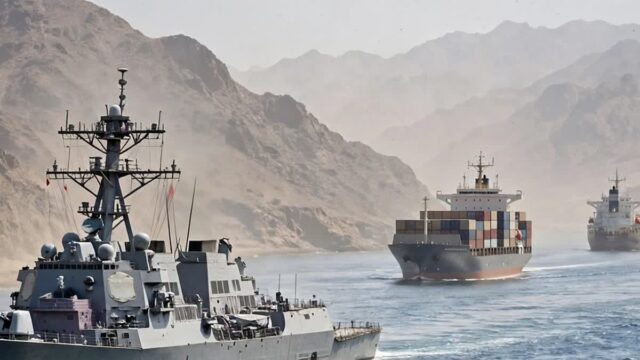
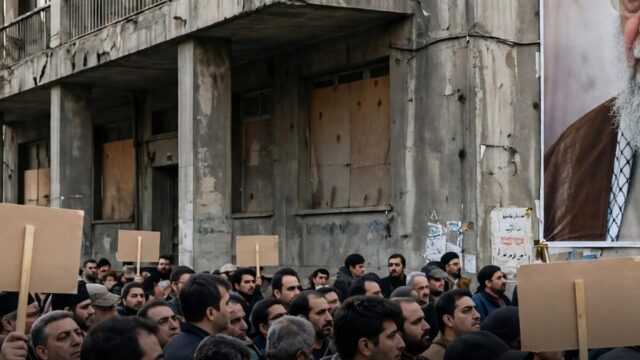
The United States has imposed sanctions on an India-based network accused of helping Iran’s shadow fleet evade restrictions and keep oil exports flowing, the Treasury Department announced on Wednesday. The move comes days after Iran tanker seized near Hormuz, and follows a warning by Iran’s Supreme Leader warned the US that Tehran would respond to any further pressure on its shipping.
What happened
The Treasury said the network, centred on the Indian national Aashish Kapoor, operated a web of companies and vessels that falsified flag registrations and certificates to conceal the origin of Iranian crude. Kapoor and several associated entities were named in the latest designations, which the department said targeted the infrastructure behind the shadow fleet rather than individual ships alone.
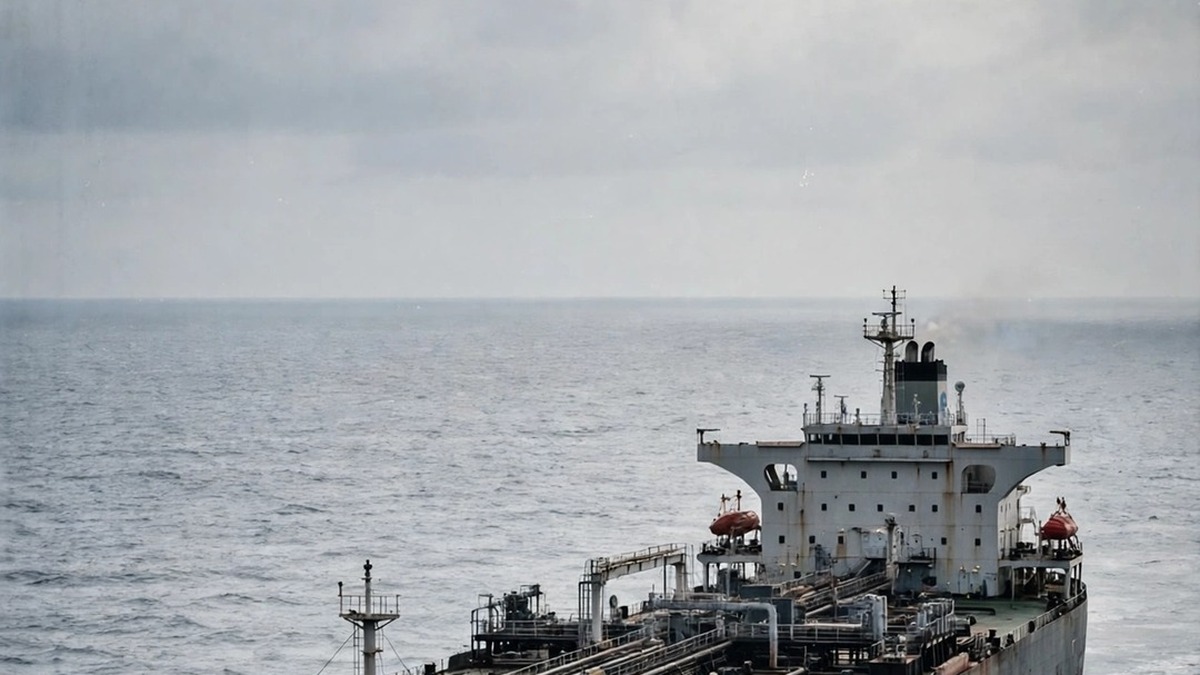
Officials said the vessels used deceptive shipping practices — including ship-to-ship transfers, doctored documents and the use of flags from countries with lax oversight — to move oil while avoiding detection. The network also allegedly helped arrange insurance and port services for tankers already under sanctions.
Why the shadow fleet sanctions matter
The shadow fleet — a group of ageing tankers operating outside mainstream shipping and insurance markets — has become central to Iran’s ability to export oil despite US sanctions. Analysts estimate it carries a significant share of Tehran’s crude exports, generating revenue that Washington says funds the Revolutionary Guard and Iran’s nuclear programme.
By targeting the companies and facilitators that keep the fleet moving, the US aims to raise the cost and risk of handling Iranian oil, rather than only intercepting cargoes at sea. Similar measures in recent months have focused on shipowners, brokers and front companies in Asia and the Middle East.
What happens next
The Treasury said any assets belonging to the designated individuals and entities within US jurisdiction are frozen, and US persons are generally prohibited from dealing with them. Foreign financial institutions that knowingly facilitate significant transactions for the network also risk secondary sanctions.
Officials also warned the global shipping industry to strengthen due diligence, saying companies that ignore red flags — such as inconsistent documentation or unexplained changes of flag — could themselves face designation. Iran has not yet formally responded to the latest measures, but state media have previously dismissed US sanctions as ineffective.
Source: Reuters; FMT; Al Jazeera; Gulf News | 5 November 2026