

CoreWeave beat Wall Street revenue forecasts on Tuesday and raised its full-year outlook, as booming demand for AI computing power steadied nerves about the debt-fuelled data-centre boom.
Key Points
- Third-quarter revenue reached $3.66 billion, up 168% from a year earlier and above the $3.55 billion analysts had expected.
- CoreWeave raised its 2026 revenue forecast to between $13 billion and $13.3 billion, and its signed revenue backlog hit a record $132.5 billion.
- The net loss widened to $709 million, as $846 million of interest costs outweighed $207 million of operating income.
- Shares rose about 7% in after-hours trading on Tuesday and climbed about 25% on Wednesday.
- The company expects to turn profitable on an adjusted basis in the first half of 2028.
What happened
CoreWeave published the results on Tuesday 10 November, after the US market closed, for the three months to the end of September. Revenue of $3.66 billion compared with $1.37 billion in the same quarter last year, and came in ahead of the $3.55 billion average analyst estimate compiled by LSEG. The per-share loss of 95 cents was also smaller than the $1.16 loss analysts had expected.
Chief executive Michael Intrator called it “a breakout quarter for CoreWeave” in the company’s statement, pointing to customer prepayments and deposits of about $9 billion expected over the next three months.
The company lifted its guidance across the board. Full-year revenue is now expected at $13 billion to $13.3 billion, up from $12.4 billion to $13.2 billion forecast in August. Adjusted operating income is now guided at $1.275 billion to $1.375 billion, and annualised revenue as the company exits 2026 is now expected at $20 billion to $21 billion, up from $18.5 billion to $19.5 billion.
The backlog of signed contracts — revenue booked for future delivery — reached about $132.5 billion at the end of September, up from $104 billion at the end of June. Finance chief Nitin Agrawal told investors the company would not raise more parent-level unsecured debt through 2027 at current yields.
Capital spending for 2026 is now expected at $37 billion to $39 billion, with the lower end of the range raised from $35 billion, as the company brings new data-centre capacity online faster than planned.
Why it matters
CoreWeave had become the focal point of the debate over whether the AI boom is a bubble. Its shares had fallen more than 40% over the previous month, and the Nvidia-backed company, valued at about $27 billion, has never reported a profit. It carried total debt of about $46.9 billion at the end of September, its 2030 bonds yield about 15.2%, and the cost of insuring its debt against default has climbed sharply.
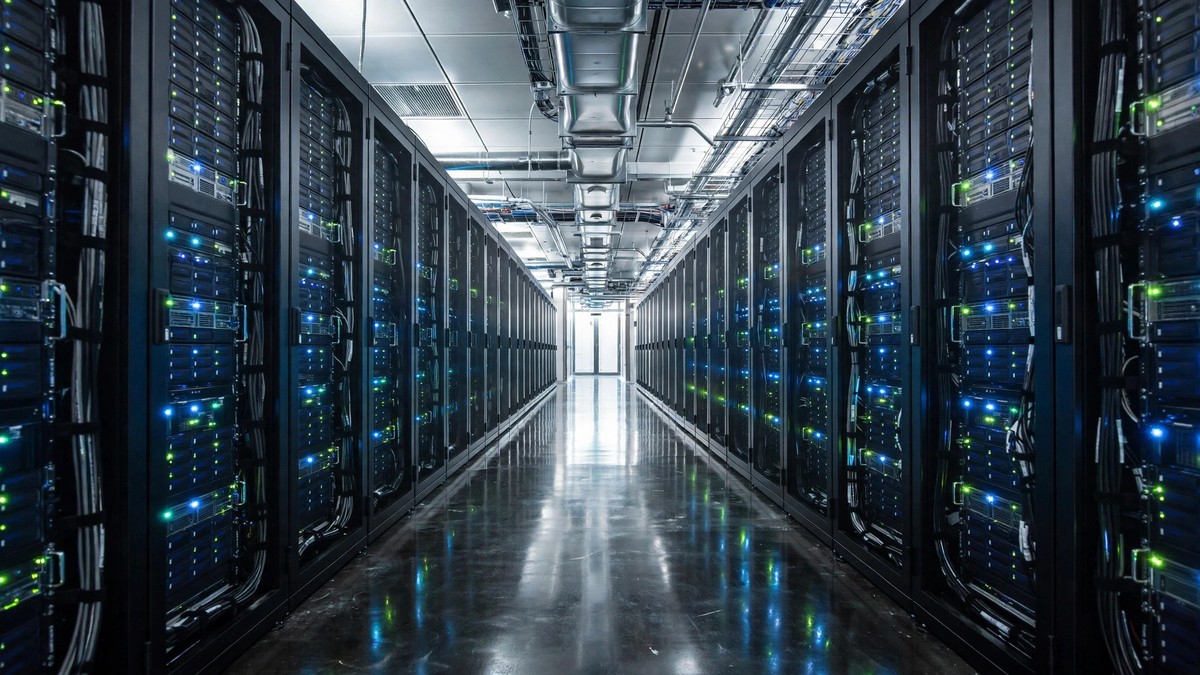
The results settle one part of that argument and leave the other open. Customers are clearly spending: demand for computing capacity runs at about ten times what CoreWeave can supply through the end of 2027, and its data centres are effectively full for the year ahead. Its customer list includes Microsoft, Meta, OpenAI and Anthropic, and it runs about 52 data centres with more than 1.7 gigawatts of active power — enough electricity, Reuters noted, to supply more than 1.2 million US homes.
But the bill for building that capacity keeps growing. Interest expense of $846 million in the quarter was more than four times operating income of $207 million, and the company expects interest of $1.05 billion to $1.15 billion in the fourth quarter alone. That is the tension investors are weighing: a business with customers queuing up, financed with debt that costs more than the profit its operations currently produce.
The demand is part of a wider enterprise rush into AI. Databricks turned its Genie tool into an always-on AI coworker this week, and IBM and Microsoft have just launched their own enterprise AI offering, Imagine Enterprise — a sign that every large platform now wants to sell the computing power behind the agents that do the work.
What happens next
CoreWeave will be judged on whether it can turn its backlog into cash without borrowing at ever-higher cost. New four- and five-year infrastructure contracts are commanding $20 million to $25 million per megawatt a year, the company said, and it sees nearly $10 billion of potential annualised revenue from renewing GPU contracts across 2027 and 2028. Its stated target is adjusted profitability in the first half of 2028.
Investors get another read on the sector later on Thursday, when Nebius, a rival AI cloud provider, reports before the US market opens. And the appetite for AI assets is still visible in the capital markets: Anthropic has set a $70 to $78 price range for a listing that could value it at about $1.4 trillion.
Source: Reuters, The Business Times, Gulf News, Zacks — 11 November 2026. Time: 06:33 +08, 12 November 2026.